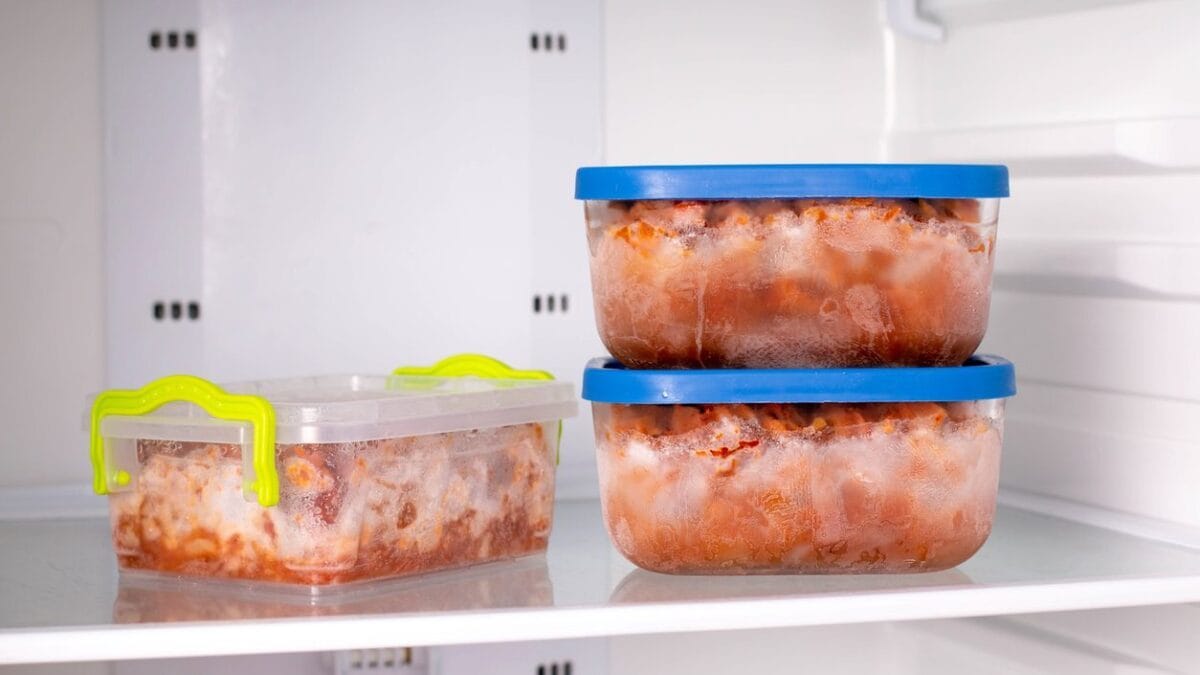
The freezer is one of the essential kitchen appliances because it allows you to preserve a wide range of foods (meat, fish, cheese, vegetables, fruit) and use them when we need them. However, not all foods behave the same way in the freezer as their composition is different: for this reason, given the same initial quality, some last longer than others. Knowing the timing is useful for making the most of the product's properties when it was fresh and avoiding possible poisoning, as well as reducing waste. In fact, the freezer is often used as a "storage room", thinking that its contents will last forever, but this is not the case.
What Freezing Does to Food
When we put food in the freezer at home, we are performing an operation called freezing: it is a way of preserving various dishes, taking advantage of very low temperatures, which in domestic models are around 0°F/-18°C. During this process, the water contained in the food freezes, blocking the enzymatic activity that contributes to the gradual deterioration of food and that of microorganisms potentially dangerous to health such as bacteria: a state of pause in the product's condition that ends when the context returns to its favourable state, starting with defrosting.
It's important to distinguish between freezing and deep-freezing: in the latter, the heat treatment is industrial and rapid, with foods cooling very quickly, allowing the resulting ice not to excessively alter the cellular tissues, which, on the contrary, happens in the former case, where cooling is slow. The water converts into large ice crystals that penetrate the fibers, with consequences on the overall quality of the food, which over time can change in consistency, diminish flavor and odor, and lose nutrients compared to fresh products.
Freezing, in addition to preserving, can perform other roles: for example, the freezer in the kitchen is used as a blast chiller, to be able to safely consume raw or partially raw fish, as the cold does not kill bacteria, but is lethal against a parasite such as anisakis.
What Foods Can Be Frozen?
One of the great advantages of freezing—the very thing that has made the freezer so popular —is the ability to store a wide variety of foods: raw and cooked foods, pre-prepared meals, and even ready-made meals can all be stored there. There are, however, some exceptions: raw vegetables such as tomatoes, potatoes, and lettuce, fresh cheeses like mozzarella or stracchino, and other foods high in water (since, as we've seen, they freeze, causing structural damage), as well as cured meats such as salami and mortadella, which contain a high percentage of fat and are particularly susceptible to oxidation and rancidity, do not benefit from this solution. Avoid whole raw eggs, canned foods, and carbonated drinks, as the increase in volume generated by the freezing water can cause the shells and packaging to explode.
How Long Does Food Last in The Freezer?
Freezing allows foods to maintain their fresh characteristics almost unchanged, preserving them for a much longer period of time than in the refrigerator. Due to their nature, some types of foods last longer, and others less: a very useful table can be found in the FDA guidelines, which lists the times of some commonly used foods, among the most popular to keep in the freezer:
- Ground beef, pork, lamb, or veal: 3–4 months
- Fresh beef steaks: 6–12 months
- Beef roasts: 4–12 months
- Pork chops: 4–6 months
- Pork roasts: 4–12 months
- Sausages (raw): 1–2 months
- Ground poultry (turkey or chicken): 3–4 months
- Whole chicken or turkey: up to 12 months
- Chicken or turkey pieces: about 9 months
- Cooked meat and poultry leftovers: 2–6 months
- Bacon: 1 month
- Hot dogs and cooked sausages: 1–2 months
- Cured ham (slices or leftovers): 1–2 months
- Raw shellfish (shrimp, crab, lobster): 3–6 months
- Lean fish (cod, haddock, pollock): 6–8 months
- Fatty fish (salmon, tuna, mackerel): 2–3 months
- Soups and stews: 2–3 months
- Casseroles and cooked pasta dishes: 2–3 months
- Bread and baked goods: 2–3 months (best quality)
- Pizza (homemade or leftover): 1–2 months
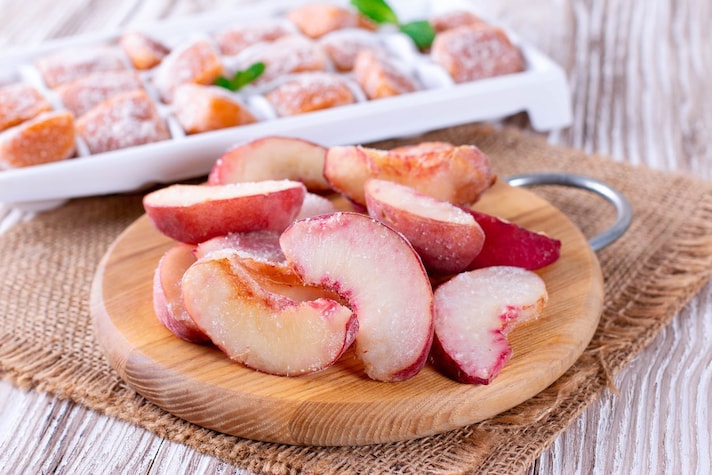
- Fruit (berries, sliced fruit): 8–12 months
- Vegetables (blanched before freezing): 8–12 months
For frozen products purchased at the grocery store, the expiry date indicated and the related instructions are valid: always check at the time of purchase that the packaging is intact.
How to Freeze to Best Ensure Quality and Safety
Simply putting food in the freezer doesn't make it last longer: freezing extends the shelf life of certain foods, but it doesn't improve their condition. This means that if chicken or fish, for example, are already spoiling or contaminated by bacteria, this situation will recur when thawed. Only purchased products in good condition should be stored in the freezer, and certain precautions must be taken to avoid damaging them during their storage:
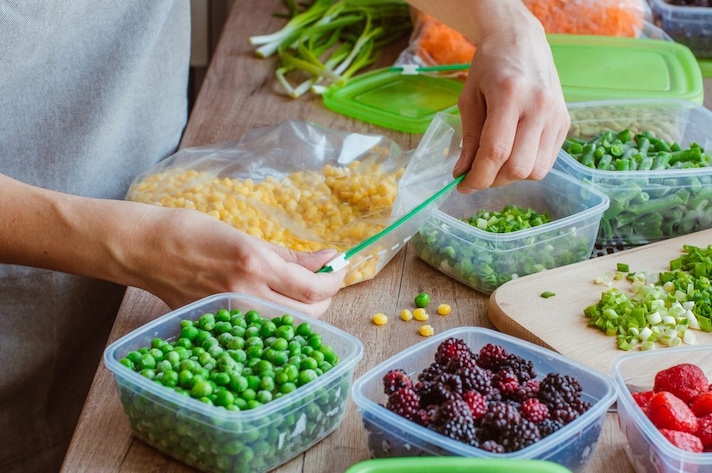
- Foods should be protected in their original, intact packaging, or completely wrapped in cling film or placed in sealed freezer bags and containers with lids. This will maintain their quality and prevent freezer burn. Avoid direct contact with aluminum foil (which sticks) and unsuitable and potentially dangerous materials, such as certain glass containers, which risk shattering under pressure.
- Labeling the product with the date and type of contents makes it easier to identify and manage its consumption. To avoid waste, organize your freezer by prioritizing foods with a shorter shelf life.
- It's best to cut larger foods into smaller pieces to speed up freezing (since freezing is slow, there's always the risk that any bacteria present will continue to multiply), and divide them into portions (single or for 2 people) to make better use of the available space (and in an orderly fashion) and defrost only the necessary quantity, as a raw dish, once thawed, cannot be re-frozen, unless it's cooked.
- Speaking of thawing, act early, because the safest way to do it is without interrupting the cold chain, by moving food from the freezer to the refrigerator: this can take up to overnight, depending on the food. Cook immediately or consume within 24-48 hours at the latest.
Can You Freeze Food That is About to Expire?
It's common to have a product in the refrigerator that you haven't had time to eat and is about to expire. Freezing it can be a waste-preventing solution: the food obviously must not be spoiled, and it's important to distinguish between the "best before" date and the "use by" date. Foods labeled "best before" are generally safer and can be stored in the freezer even before the date, while those labeled "use by" have their shelf life at that point, even from a health and hygiene standpoint. It's therefore recommended not to store them in the freezer beyond the seven days before that date (for example, if the expiration date is May 14th, don't go beyond the 7th). The smell, especially (pleasant or unpleasant), will let you know if they're no longer edible once thawed.

