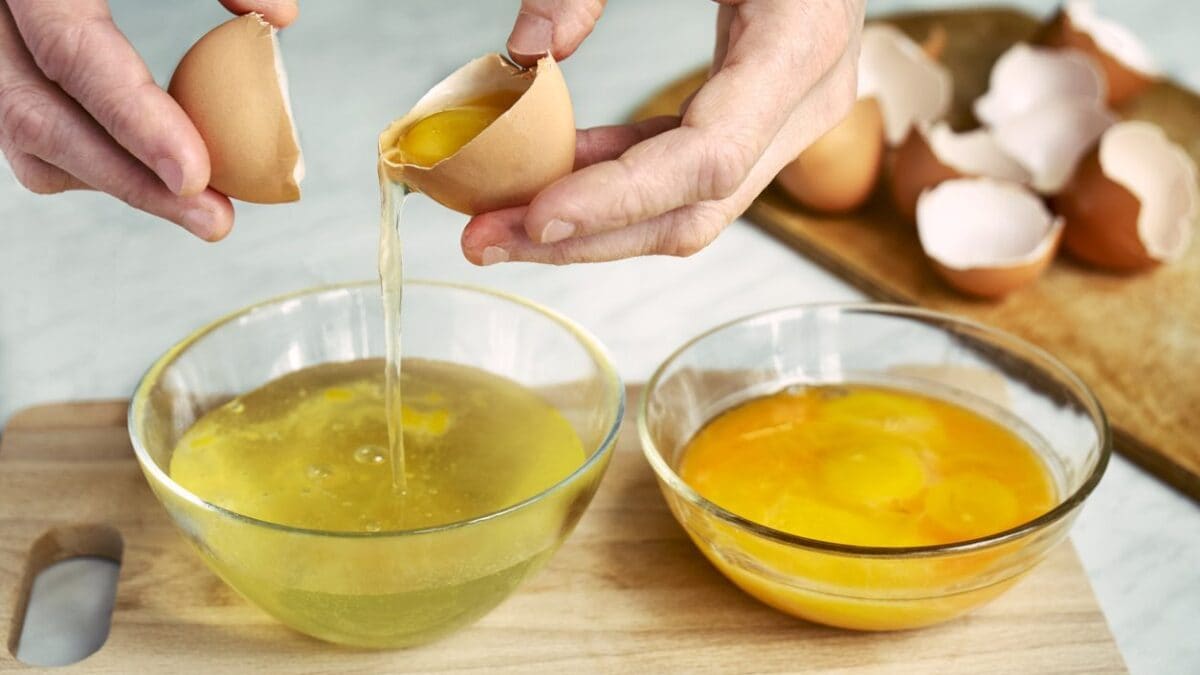
Versatile, tasty, and essential for countless recipes, even those in which they aren't the main ingredient: we're talking about eggs, one of those products that are always handy to have in the kitchen and useful for both savory and sweet recipes. They also have a fairly long shelf life, keeping in the refrigerator for at least a month. But you may have bought too many, or met a farmer and bought more eggs than you actually needed. How can you avoid wasting them? There's an option that many people don't know about and don't take advantage of, but which is actually very valid: eggs can be frozen, both uncooked and cooked, for longer preservation and to have them available when needed. However, you must follow some basic rules, especially when freezing raw eggs, which ensure the food safety of the product you freeze and then consume. Here's a short guide to understanding the best way to freeze raw and cooked eggs.
Uncooked Eggs Can Be Frozen, Without Their Shell
Uncooked eggs, contrary to popular belief, can be frozen, provided you follow one fundamental rule: you cannot freeze them whole with their shells on. There are two reasons for this: one related to food safety and the other more technical. From a safety standpoint, the main risk is contamination caused by the possible presence of Salmonella bacteria on the shell. Fresh eggs, even those with clean and intact shells, can contain these very dangerous bacteria, responsible for foodborne illnesses, often referred to as "food poisoning."
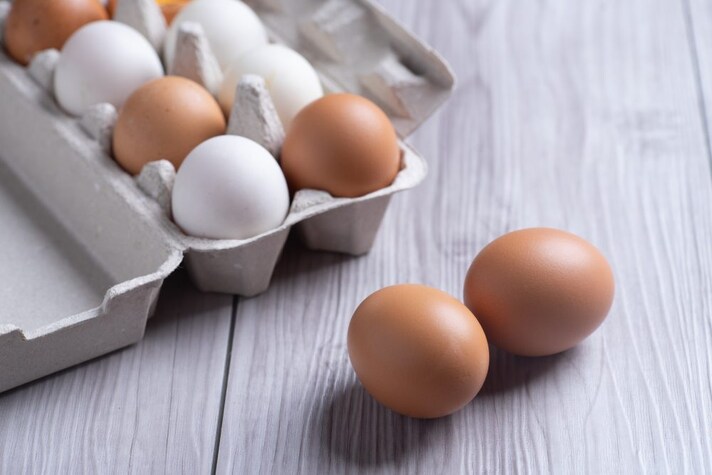
To prevent this problem, the FDA (US Food & Drug Administration) has established a series of regulations to prevent contamination. According to the agency's guidelines, the safest way to avoid freezing contaminated eggs is to always remove the shell, thus minimizing the risk of freezing any bacteria that would not be neutralized by the cold. The second reason for not freezing eggs in their shells is purely physical: the cold temperature, in fact, would cause the internal liquid to freeze and expand, effectively causing the shell to break. This would lead to the contents leaking throughout the freezer compartment, and to a high risk of contamination resulting, as mentioned, from the possible presence of bacteria and microorganisms on the shell.
Even when removing the shell, however, there are specific rules to follow to improve the consistency of egg whites and yolks during freezing and, especially, during subsequent thawing. The guide from the National Center for Home Food Preservation (University of Georgia), the most authoritative academic reference on the subject, has thoroughly explained all the correct procedures for freezing whole eggs without their shells, or for separating the egg whites and yolks and freezing them separately:
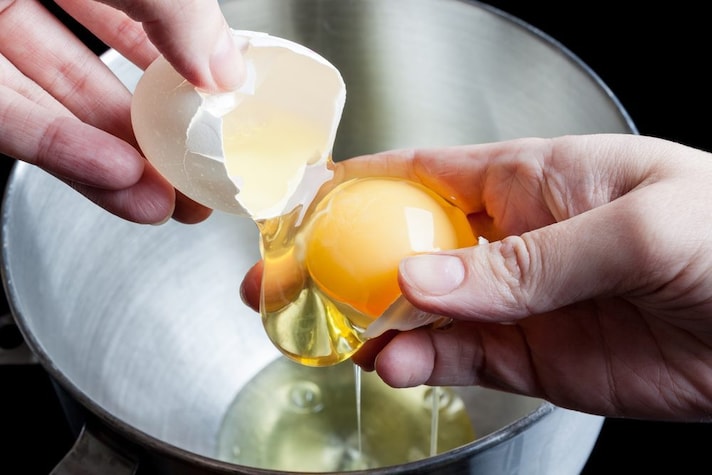
- Whole eggs. Crack the eggs into a bowl or plate, making sure there are no shell fragments, and mix the yolks and whites thoroughly, avoiding incorporating air. When freezing, the yolks may become grainy, so to prevent this, add 1-2 grams of sugar per yolk, or 1-2 grams of salt, depending on the intended use, once the eggs have thawed. Once the mixture is ready, you can store it in an airtight container or in ice cube trays: remember to label the date and the ingredient used to avoid grains, whether sweet or salty. Eggs prepared this way can be kept in the freezer for up to 1 year.
- Egg Yolks. If you want to freeze just the egg yolks, first carefully separate them from the egg whites, place them in a bowl or plate, and gently stir until well combined. As with the first method, you should add 1-2 grams of sugar for each yolk, or 1-2 grams of salt, to stabilize the mixture and prevent lumps from forming. Once the mixture is ready, place it in small containers and label each with the freezing date and flavor (sweet/salty). The yolks can be frozen for up to 1 year.
- Egg Whites. Freezing the egg whites you've separated from the yolks is very easy: you don't need to beat them or add any other ingredients. Simply place them in an airtight container and freeze them as is; they'll keep for about a year. When you need to remove them, remember that two tablespoons of the mixture equal one egg white.
To use frozen eggs safely and correctly, always thaw them cold, then refrigerate them overnight, and only use them in recipes that require thorough cooking. Cold temperatures don't kill bacteria, and while they're usually found on the shell, it's always best to use cooked preparations to be safe, so avoid eating raw frozen eggs.
How to Freeze Cooked Eggs
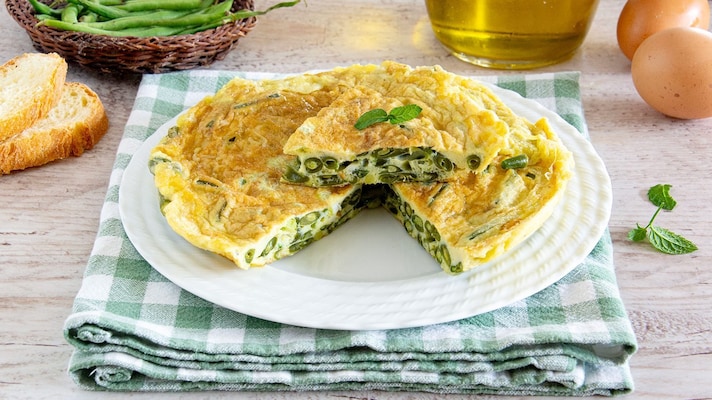
Freezing cooked eggs is much simpler: the same rules apply as for any other food: cook them, wait for them to cool, store them in airtight containers, labeled with the cooking date, and then put them in the freezer. The only factor you need to pay attention to is the cooking method, as not all eggs hold up well to freezing. Omelettes, whether pan-fried or baked, or scrambled eggs are the preparations that give best results in the freezer, while it's best to avoid freezing hard-boiled eggs. Freezing causes the egg white to become very rubbery, which makes it unpleasant to cook. When it's time to use frozen cooked eggs, there's no need to freeze them; you can cook them directly in the oven or microwave.
;Resize,width=767;)
