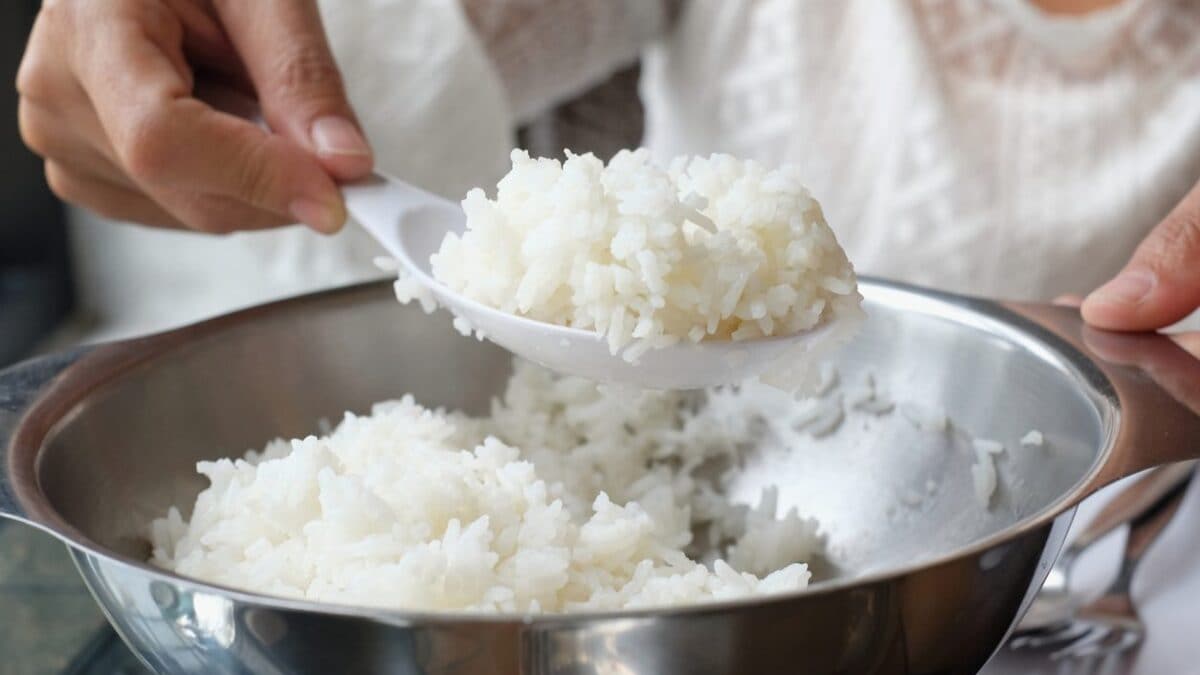
Freezing food is one of the most common ways to preserve it for a long time, and it's also useful for avoiding waste. However, as convenient as the freezer may be, not all foods can be stored there (such as whole eggs or raw potatoes), and some require more attention than others. Cooked rice falls into this category: along with pasta, it's one of those dishes that freezing is not recommended because it loses its consistency, resulting in an "overcooked" taste that's unpleasant to the palate. If it's necessary because you've cooked too much, you can opt for this solution by following a few precautions. These precautions, however, are more beneficial to your health than to the cooking results, perhaps ensuring a less satisfying meal, but without the risks.
How to Freeze Cooked Rice
When you have a cooked dish on hand, but not intended for immediate consumption, you have two options: either put it in the refrigerator, if you intend to eat it within a few hours or a few days, or in the freezer, to have it available in the more distant future. In both cases, it's helpful to follow a few rules to avoid making mistakes that could compromise not only the food itself, but also the functioning of the appliance and the other foods stored inside.
An often overlooked step is cooling: cooked food should never be placed in the refrigerator or freezer while still hot, as this could contribute to the formation of condensation, which could encourage mold growth. This could also raise the temperature, making the appliance work harder and creating thermal imbalances between the foods, accelerating spoilage. The advice, therefore, is to let the dish cool to room temperature. This, however, does not mean leaving it on the kitchen table for hours on end, as prolonged exposure from 50°F/10°C to 140°F/60°C could encourage the proliferation of bacteria: microorganisms contaminate the food, with more or less serious consequences depending on the type and the people who come into contact with it.
The case of cooked rice is emblematic: cooked rice grains can contain Bacillus cereus, a naturally occurring bacterium that is neutralized by cooking, but not enough to eliminate its spores. As explained by health experts, the spores remain dormant until they find the right habitat to awaken and produce toxins: the ideal conditions are those created by leaving the rice at room temperature for more than 2 hours (in summer, with high heat, an hour is enough). Once ingested, you can experience what is known as "fried rice syndrome," which in healthy people leads to intense vomiting and diarrhea, but which in individuals considered fragile (children, the sick, and the elderly) can have more serious consequences, especially in terms of severe dehydration.
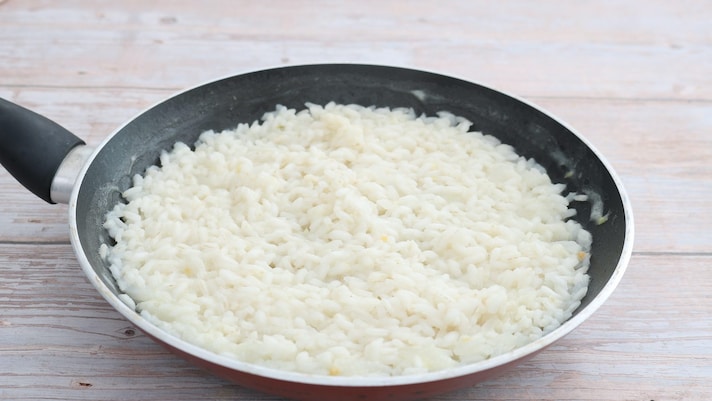
What should you do? Cooked rice should be cooled as quickly as possible: one of the easiest and quickest methods is to remove it from the pan and spread it out in a baking dish or pan, flattening it: the thin layer helps the rice cool more quickly, and you can stir it occasionally to help the heat dissipate from the innermost parts.
How to Freeze and Thaw It Safely
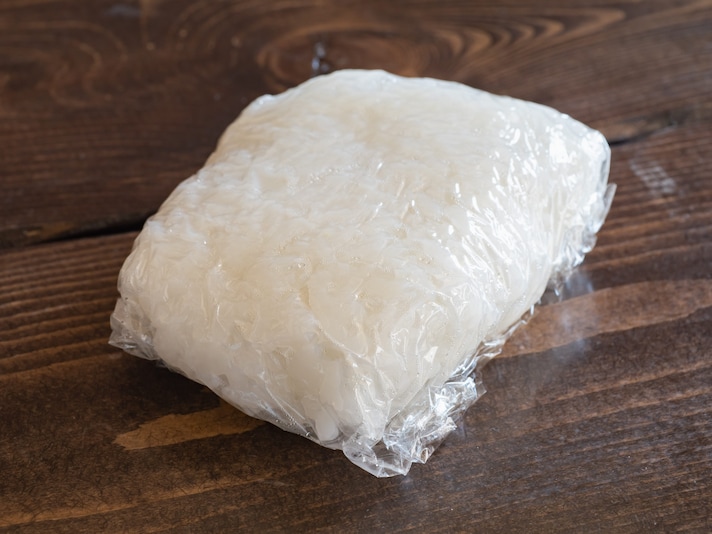
At this point, the cooked rice is ready to be frozen: divide it into individual portions or in the quantities you plan to use each time, so you don't have to defrost more food than you need. Thawed cooked rice cannot be re-frozen and must be used within 24 hours. Thawing can occur slowly, respecting the so-called cold chain, by moving it from the freezer to the refrigerator, or more quickly, using the defrost function of the microwave or directly in the pan, adding a little water or an ice cube to moisten it. Obviously, the same rule as in the previous chapter applies: do not let it thaw at room temperature, or you will run the risk of a Bacillus cereus attack again. The suggestion, when you are about to freeze cooked rice, is to transfer it into plastic containers or perfectly sealed anti-freeze bags (the grain absorbs the odors of other foods) and to label them, to remember the day of packaging: it will last for 1 month.
How to Use It After Thawing
Once thawed, rice can be used in a wide variety of dishes. It's perfect for stir-frying with vegetables, meat, fish, or eggs, for making a classic rice salad, or as a base for meatballs, timbales, and flans. As mentioned at the beginning, the texture changes: the grain is no longer as firm as when freshly cooked and will tend to fall apart. It's therefore best to avoid risottos, as the quality would be lower. For this very reason, some varieties are better suited to being stored at 0°F/-18°C: opt for basmati rice or varieties with long, tapered grains, as a lower starch content will prevent them from sticking together. Parboiled rice is also suitable, as it undergoes preliminary cooking to make it more compact and grainy. On the contrary, Carnaroli, Vialone nano or Arborio are less suitable: their high starch content suffers more from the passage in the freezer and the consequent defrosting, giving the grain a consistency that is too soft and fragile.
;Resize,width=767;)
