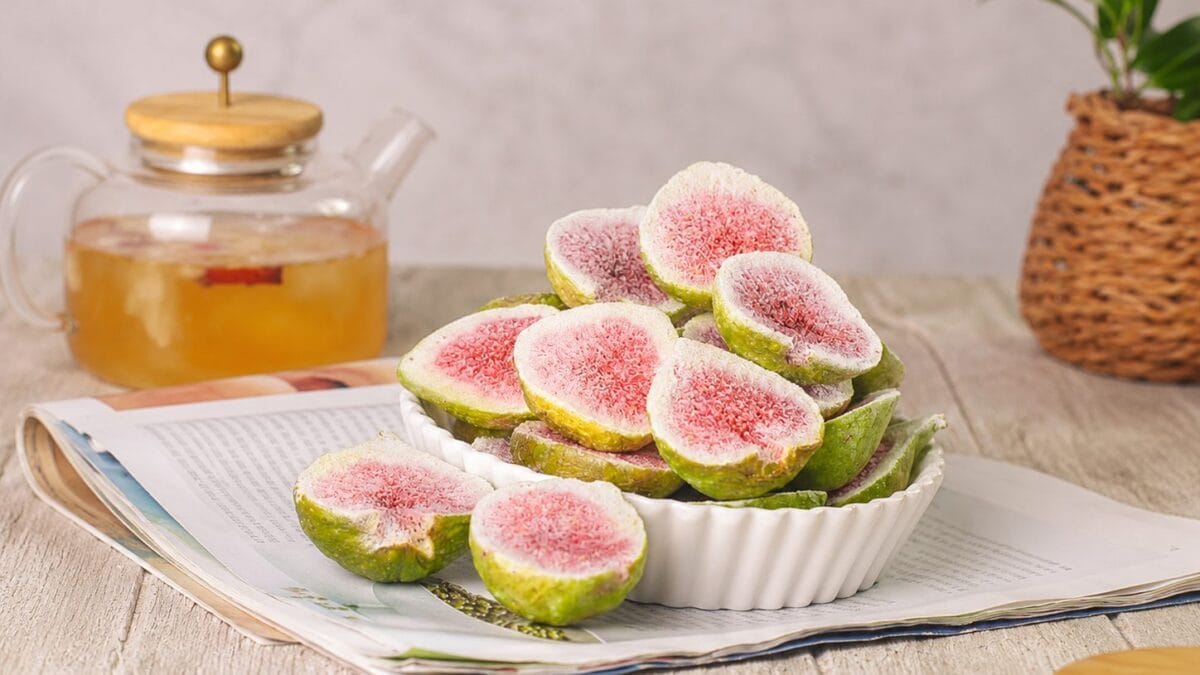
Summer fruits are the most beloved, and figs undoubtedly top the list: incredibly sweet and sugary, these exquisite fruits are so delicious that one leads to another. Now becoming widespread in the U.S., the fruit of the Ficus plant has origins in the Middle East, as evidenced by its Latin name, Ficus carica, which harks back to the town of Caria in Asia Minor, once part of the Roman Empire. Although they are also delicious dried, figs are at their most delicious when fresh. The fig season runs from June to September and is divided into two main periods: in June, the fioroni (or early figs, larger and less sweet) ripen; in August, the true figs (or forni, the main harvest) arrive; while in September, the season closes with the setembrini (or late figs), smaller but incredibly sweet and concentrated.
In short, figs are available for a short time, so it's a good idea to stock up on them when the time comes. Also, by eating them fresh, you can maximize their many beneficial properties: figs are high in fiber, minerals (potassium, calcium, phosphorus), and vitamins (C, A, and B6). Furthermore, figs are very versatile in the kitchen, used in both sweet and savory recipes, including tarts, biscuits, croutons, and salads. Do they have any drawbacks? Basically, one: they must be consumed quickly because they spoil quickly. There are plenty of ways to make them last longer, however: in addition to the more common drying method, you can also freeze them. How can you preserve them without spoiling them, and how can you use them once thawed? Here's everything you need to know.
Can You Freeze Figs?
The most well-known method of preserving figs is drying them, but they can also be frozen: it's an effective way to preserve them and use them any time of year. Freezing, in fact, allows you to extend their shelf life for several months, preserving much of their flavor and nutritional properties. It's important to know, however, that the cold changes the fruit's structure, and that when you thaw them, their texture will no longer be the same.
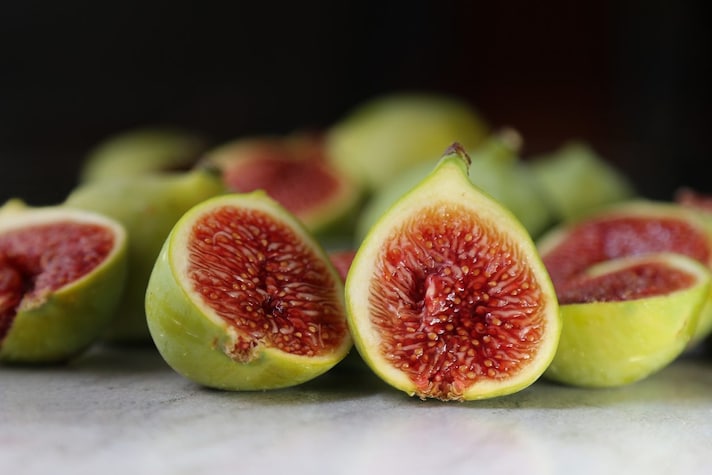
During freezing, the water in the fruit's cells turns into ice crystals, which can damage the cell walls. When figs are thawed, the cells can no longer fully retain liquid, which tends to leak out, making the flesh softer and moister. As a result, a thawed fig loses much of its natural firmness: the skin may appear slightly wrinkled or more delicate, while the interior becomes more tender, almost creamy in very ripe fruits. It's also normal to see a sugary liquid leak out during thawing: this isn't a sign of deterioration, but rather the result of the rupture of the cells and the release of the fruit's natural juices.
For this reason, once thawed, figs are generally softer, less firm, and release more liquid than fresh ones, losing the firm, fleshy consistency typical of freshly picked fruit. This change in texture doesn't mean the fruit is of lower quality, but simply that it's better suited to being used as an ingredient than if eaten raw.
Which Figs to Choose for Freezing and How to Prepare Them
The extent of the change in fig texture also depends on the fruit's degree of ripeness when frozen. Very ripe figs, which already have soft flesh, become particularly tender after thawing, while those picked when ripe but still firm tend to retain a slightly better texture. For this reason, it's important to choose perfectly ripe, healthy fruit free of obvious defects. A fig that's too unripe is unlikely to develop greater sweetness after thawing, while an overly ripe one risks completely losing its structure and turning into a very soft and watery flesh.
The best figs for freezing are those that have reached full ripeness: they should be fragrant, sweet, slightly yielding to the touch, but still intact and firm. The skin should be free of deep bruises, mold, extensive cracks, or signs of fermentation. Small surface imperfections do not compromise preservation, as long as the fruit is generally healthy. The freezing speed also affects the outcome: rapid freezing favors the formation of smaller ice crystals, which cause less damage to the fruit's tissue than slow freezing.

Before storing figs in the freezer, it's a good idea to gently wash them under cool, running water to remove any dust, dirt, or small insects. Fig skin is thin and delicate, so avoid rubbing it vigorously, either when washing or drying. Use paper towels or a clean cloth and gently pat the figs dry until they're completely dry. Removing surface moisture limits the formation of ice on the skin and helps preserve their quality during storage.
How to Properly Freeze Figs, Whole or Sliced
Figs can be frozen either whole or sliced: the choice depends largely on how you plan to use them once thawed. Both methods allow you to preserve the fruit for several months, but they offer some practical advantages worth considering. Freezing whole figs is the simplest solution and is particularly suitable for small or medium-sized fruits with intact skin and no bruises. After washing and drying them thoroughly, arrange them on a tray lined with parchment paper, well spaced apart, and place them in the freezer for a few hours; this initial freezing prevents the figs from sticking together. Once completely frozen, you can transfer them to food bags or airtight containers, removing as much air as possible before sealing. This way, it will be easy to remove only the amount you need without having to defrost the entire package.
Freezing cut figs is a practical option when you plan to use them in desserts, jams, smoothies, or other preparations where the fruit doesn't need to be served whole. After removing any damaged parts, you can cut them in half or quarters, depending on their size and intended use, and then proceed with the same pre-freezing process before transferring them to their final containers. In both cases, it's advisable to use specific freezer bags or airtight freezer-safe containers, trying to leave as little air as possible inside to avoid freezer burn, and labeling each package with the freezing date.
If frozen properly and kept at a constant temperature of 0°F/-18°C or lower, figs can be stored in the freezer for approximately 8-12 months. From a food safety perspective, if the cold chain is not interrupted, they can remain frozen for even longer. Over time, however, their quality tends to gradually decline: the flavor may become less intense, the aroma may fade, and the texture may become even softer after thawing.
How to Use Frozen Figs
Once thawed, figs retain all their sweet and aromatic flavor, but, like many other fruits rich in water, they have a softer texture than fresh ones. For this very reason, they are best in preparations where texture is not the primary concern, while they are less suitable for eating plain or for use in recipes that call for firm, compact fruit. How to use frozen figs? There are countless options.
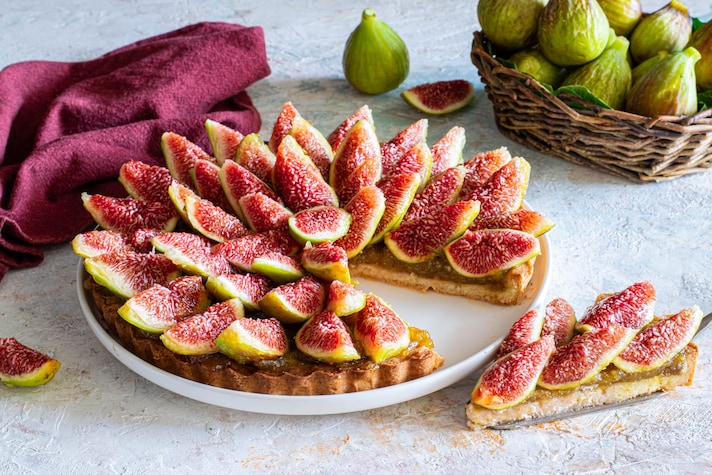
For example, they are perfect for making jams and compotes. The pulp, already softened by freezing, tends to break down quickly during cooking, reducing the time needed to achieve a smooth consistency. Furthermore, the liquid released during thawing is rich in sugars and natural flavors and can be added to the preparation without being discarded, helping to intensify the flavor of the jam. Frozen figs also offer excellent results for soft baked desserts, such as recipes like tarts, crumbles, biscuits, crumbles, or clafoutis.
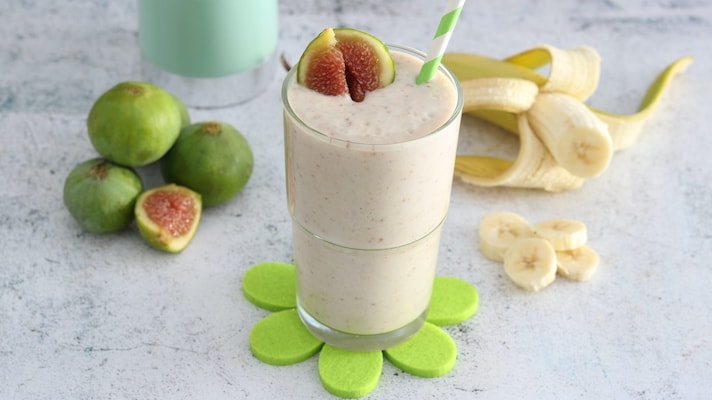
Frozen figs are also ideal for smoothies, sorbets, and ice creams, as they help make the drink naturally thicker and creamier without the need for ice. They can be blended directly from frozen with yogurt, milk, plant-based drinks, or other fruit, achieving a velvety consistency and a particularly intense flavor. They also have numerous uses in cooked dishes and savory recipes: you can use them to prepare excellent sauces to accompany aged cheeses, roast pork, duck, or game, or as the main ingredient in chutneys, reductions, and sweet and sour compotes. During cooking, the increased softness gained by freezing is actually an advantage, as it allows the figs to flake easily and blend with other ingredients.
;Resize,width=767;)
