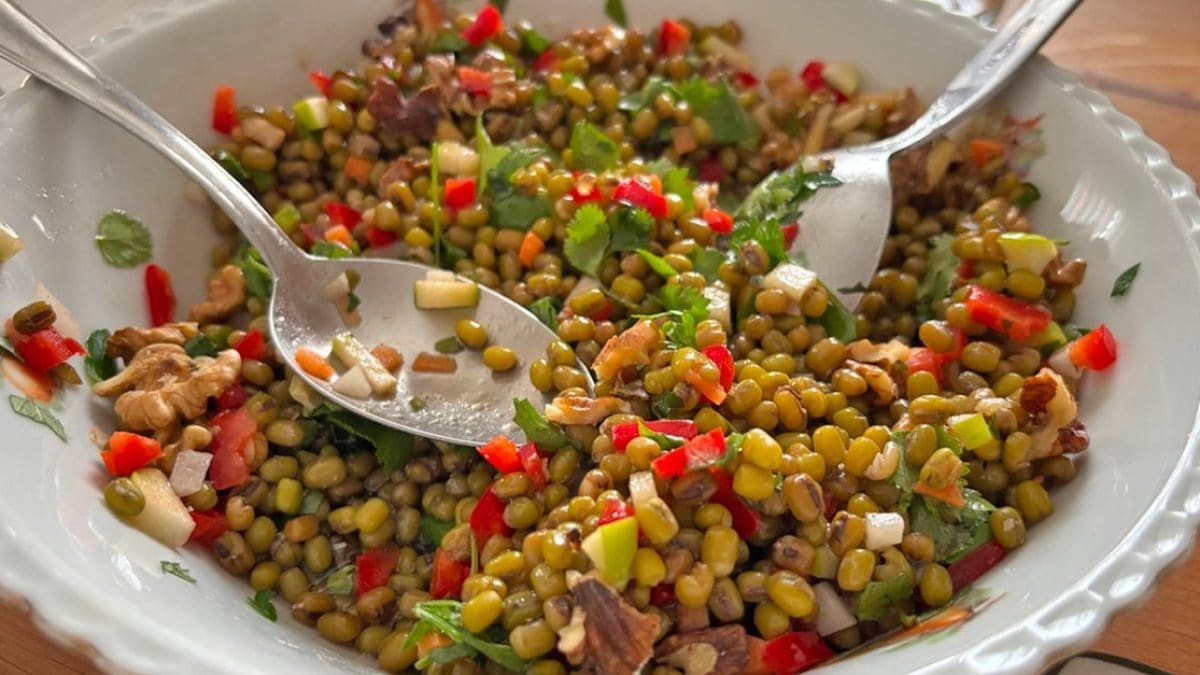
They are increasingly becoming the stars of the table: peas, chickpeas, beans, lentils, and broad beans now appear in countless recipes that not only reflect the humble tradition of regional gastronomy, including soups and broths, but also in creative variations on burgers, meatballs, and salads, being a good source of protein and fiber, allies of the body. The benefits of legumes, in fact, are many: they control blood sugar, reduce cholesterol, fight anemia, promote intestinal transit, and are satiating, to name a few. Like all foods, however, they are not miraculous in themselves and must be consumed in the right quantities and in preferential combinations, to avoid common contraindications, first and foremost that annoying bloating that leads to feeling heavy after consuming them. We consulted a nutrition biologist, for some advice on how to best utilize legumes in your diet.
How Many Legumes Should You Eat Per Week?
As our expert explains, the guidelines of Crea, the Council for Agricultural Research and Analysis of Agricultural Economics, serve as our compass. What do they tell us about legumes? "Portions should be at least three times a week, whether at lunch or dinner." What does change, however, is the quantity per portion: "50 grams for dried legumes and 150 grams for fresh ones, since they contain more water. They are suitable for both adults and children."

Is Eating Legumes Everyday Bad For You?
The answer is no. "There are studies that show that legumes can be consumed daily. The Crea guidelines recommend three servings per week as part of a balanced diet, including fish and meat ( especially white meat ). Those who follow a vegan or vegetarian diet, which is free of animal protein, consume legumes daily. My general advice is to vary the types and include soy, which has a higher protein content with essential amino acids if you only eat plant-based foods."
Who Shouldn't Eat Too Many Legumes?
Those who suffer from irritable bowel syndrome, bloating or flatulence should not overdo it with legumes: due to their high content of fibre and galactans, oligosaccharides which belong to the category of so-called FODMAPs, they can cause intestinal discomfort in particularly sensitive people.
To overcome this problem, however, it is possible to implement small strategies, such as using dehulled legumes—lentils, chickpeas, and peas—legume flakes, or legume flour to make farinata and flatbreads. You can also remove the skins by hand after boiling them, or, to improve the tolerance of dried legumes, you can soak them in cold water for at least 24 hours with a piece of kombu seaweed.
The tolerance threshold is, obviously, individual, so it is important that each of us listens to ourselves and understands what the most appropriate frequency of consumption is.

What's The Best Way to Eat Legumes?
“Eating legumes more and more often is a wise choice,” confirms our expert, “fresh, dried, or frozen, we have them available all year round.” Is there a better way to eat them? “Yes, and it is in combination with cereals, as the combination allows us to provide what are called high biological value proteins, the same ones we find in animal-derived products.” A legume soup accompanied with croutons or with pasta, such as the one with lentils or chickpeas, is an excellent way to reap all the benefits, including vitamins and mineral salts. However, be careful about the quantity of this combination, because it is important to know that legumes contain a significant percentage of carbohydrates. Therefore, it is forbidden to exaggerate: "For example, we know that a portion of pasta is 80 grams and that of legumes is 50: when combining them, the two foods should be balanced, for example, reducing the pasta portion to 40 grams and reaching a total of 80/100 grams of the dish thanks to legumes".
Legumes, particularly the skin (called tegument), contain so-called "antinutrients," such as oligosaccharides, which are responsible for annoying abdominal bloating: "Those who suffer from gas and flatulence already know that legumes can lead to these problems, which can affect anyone. For this reason, it is important to respect the indicated portions, introduce them gradually into the menu if you are not used to it, and use techniques, such as soaking dried legumes, which help eliminate the substances that make them difficult to digest."
;Resize,width=767;)
