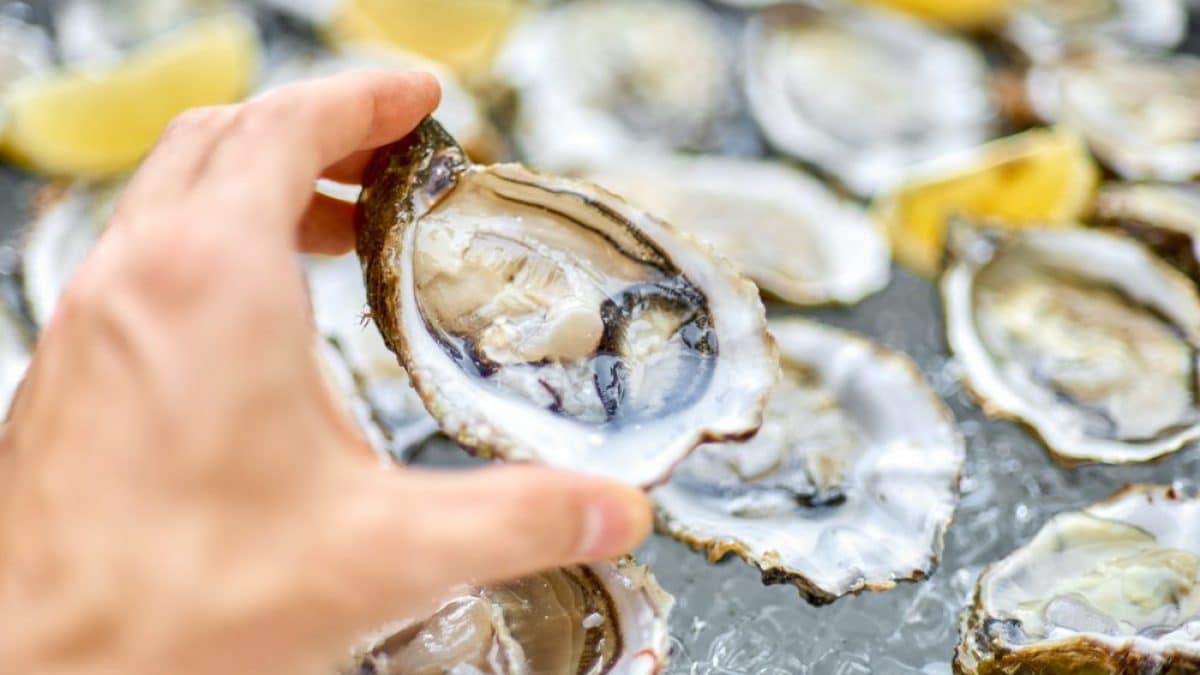
Have you ever tasted a raw oyster? Some love them, some hate them, but there's no doubt that eating raw oysters has always been associated with palate pleasure, thanks to their intense flavor and, above all, their unique texture. If you're a fan, remember, however, that you need to be careful not to overdo it: the ideal amount depends on several factors, such as the freshness of the product, your individual tolerance, and the occasion.
How Many Raw Oysters Can You Eat?
The amount of raw oysters you can eat depends on several factors, including your individual tolerance: some people can tolerate more oysters than others due to differences in gastrointestinal sensitivities. If you're new to eating raw oysters, it's advisable to start with a smaller amount to gauge your reaction.
That said, an average serving of oysters, as a main course, is around 5-6 oysters per person. If you're eating oysters as an appetizer at a restaurant, it's usually 3-6 oysters per person. However, if the oysters are particularly large or if you have a particularly voracious appetite, you may want to consume more. Remember, however, that oysters are rich in protein and minerals, but also in cholesterol.
The cholesterol content of an oyster can vary slightly depending on its size and region of origin: on average, an oyster is estimated to contain about 25 mg of cholesterol. It's therefore advisable not to overdo it, especially if you have cholesterol problems.
Aside from cholesterol, raw oysters, while a popular food, can be difficult for some people to digest. Who should be careful about eating raw oysters?
If you have liver problems, it's advisable to limit your consumption of foods high in cholesterol. If you suffer from heartburn, acid reflux, or other digestive problems, oysters could worsen the situation. If you have a shellfish intolerance or other similar food allergies, absolutely avoid consuming raw oysters.

Cholesterol and Oysters: What to Do?
If you love oysters, don't give them up completely, but consume them in moderation, alternating them with other foods. Include fiber-rich foods, fruits, vegetables, and fatty fish (like salmon), which help reduce "bad" cholesterol levels. An exception for holidays or special occasions is acceptable, as long as your daily diet is balanced. If you have high cholesterol or have concerns about your diet, consult your doctor or a nutritionist.
How to Avoid Risks
Raw oysters can carry bacteria if they aren't very fresh: make sure you consume oysters from reputable sources. Remember that the best season to consume oysters is cold weather, when the waters are cooler and the oysters have a more intense flavor.
;Resize,width=767;)
