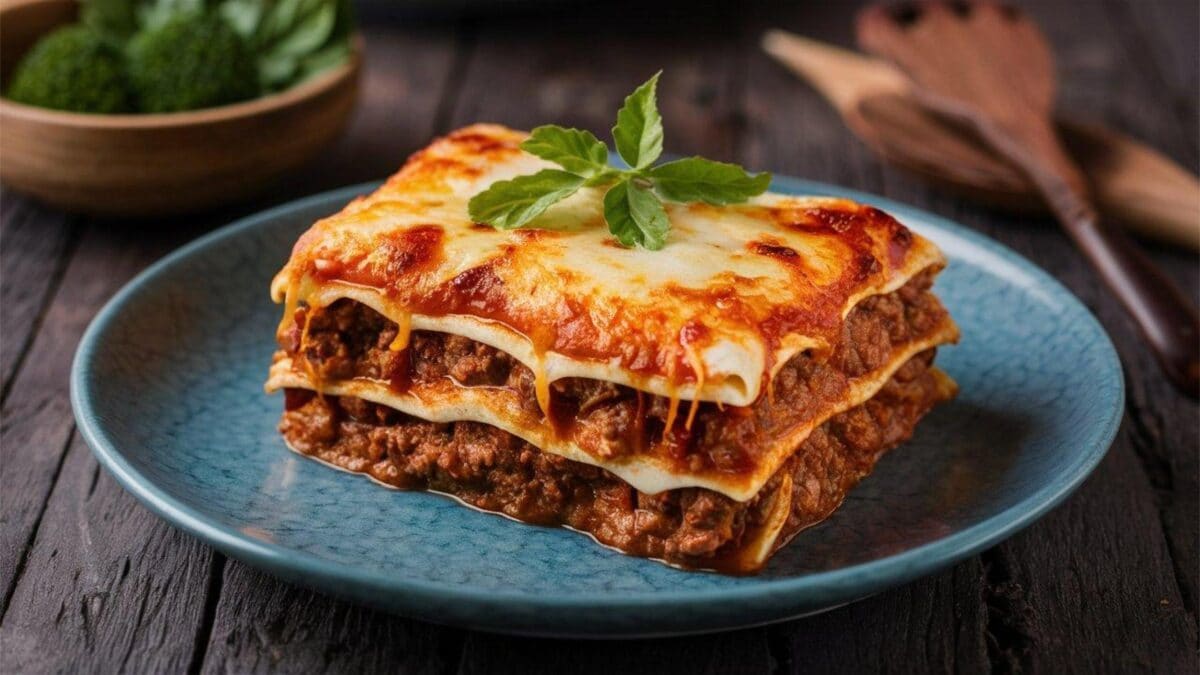
On the fourth Thursday of November, Thanksgiving is celebrated throughout the United States. We're talking about the quintessential American holiday, depicted in dozens of films. Not all tables, however, are the same: in Italian-American homes, the turkey has to wait its turn, because lasagna takes center stage, accompanied by platters of cured meats, stuffed artichokes, and cannoli. It's Thanksgiving "Italian-style," a tradition born over a century ago, from the encounter between the customs of immigrants and a celebration unknown to them, which today—almost—ousts the traditional Thanksgiving.
From American Holidays to The Arrival of Italians in New England
The history of Thanksgiving "Italian style" begins in the 1880s. Protagonists of the largest voluntary diaspora in history, Italians—from both the South and the North—arrived on the East Coast of the United States between 1876 and 1915. During this period, Thanksgiving as we know it today was taking hold, and turkey was already a staple, especially in New England. The newcomers, however, were completely unfamiliar with all this, as nothing comparable existed in Italy.
Not even the American cuisine was very convincing. As Frank Carrano, professor and member of the Wooster Square Italian Immigrant Historical Society, recounted in the New Haven Register, the holiday only truly took off when children began returning from school with stories of the Pilgrims. It was therefore primarily the children of immigrants, increasingly exposed to American traditions, who contributed to the introduction of Thanksgiving into their homes.
The Thanksgiving Day for an Italian-American
Today, for many Italian Americans, the day begins early, but not in the kitchen. Traditionally, in the morning, people go to church and take advantage of the time off to visit the cemetery to pay their respects to their deceased loved ones: Thanksgiving, after all, remains a family holiday. Upon returning, lasagna awaits, prepared the night before with a sauce of onions, garlic, spices, and various tomato products. All you need to do is reheat it: with all the rest of the cooking, preparing it the same day would be impossible.
The order of the courses is sacred: it begins with the antipasto, consisting of platters laden with cooked ham and cheeses, but also olives, peppers, and artichokes in oil. Then comes the lasagna, the queen of Italian Thanksgiving, and only after that can we move on to the turkey stuffed with the iconic gravy. The second course also comes with numerous side dishes, including cornbread, sweet potatoes, mushrooms, green beans, and Brussels sprouts. All these ingredients can also be used to make fresh salads. Basically, you're spoiled for choice.

After all this comes dessert, equally rich in delicacies. Alongside traditional American pies such as apple pie, pecan pie, and pumpkin pie, there are also cannoli and sfogliatelle. Sometimes even ambrosia appears, a dessert believed by many to be of Italian-American origin but actually originated in Florida.
The White House Ceremony and the "Americanized" Lasagna
At American Thanksgiving, the turkey is the undisputed star, so much so that it even deserves a ceremony at the White House. A few days before the holiday, in fact, the President of the United States symbolically “pardons” one or two birds, sparing them from slaughter. The first deliveries of turkeys to the White House date back to the 1940s. Ronald Reagan was the first to speak of “pardoning” in 1987, and George H.W. Bush, two years later, made it an official tradition.
Once served, stuffed turkey remains the true symbol of the day. The turkey is prepared and, depending on the recipe, can be left to marinate or brine in the refrigerator. Before cooking, it can be stuffed with herbs, vegetables, and other ingredients, making sure the stuffing is cooked through. In the oven, it is basted several times with the cooking juices, resulting in crispy skin and tender meat.
A symbol of prosperity, turkey is a staple on Italian-American tables, but the first lady there is lasagna, a dish equally generous and rich in flavor. However, this isn't the traditional Italian recipe: over time, it has been Americanized and varies from family to family. Some add a cheese sauce, others generously add pepper, and others make the sauce with diced pancetta and tomato paste.
In short, creativity knows no bounds. At any other time of year, it would be enough for a complete meal, but on the holiday, it's just a stopgap: the turkey arrives anyway, strictly afterward. Not everyone, however, can keep up with the pace, and the new generations, many families say, are moving away from the idea of a perpetually overflowing table.

From Italian-American Homes to All of The U.S.
It would be wrong, however, to think in watertight compartments, separating an American Thanksgiving from an Italian-American one. Every family has its own recipes, and in a country as vast as the U.S., the variations are potentially endless. There has certainly been a reciprocal exchange: as new generations of Italian-Americans have increasingly embraced the American model, America has also taken a step toward them. Lasagna, beloved in the U.S. and a true ambassador of Italian cuisine, has also carved out a place for itself on the tables of many American families.
Even Food & Wine has weighed in, convinced it could become the star dish of the luncheon. In 2023, the magazine wrote that lasagna has the stature and elegance to reign supreme on the Thanksgiving table, with one notable advantage: it requires much less effort to prepare than a massive turkey. A sign that, more than a century after the arrival of the first migrants, the Italian Sunday dish has fully entered the American tradition.

