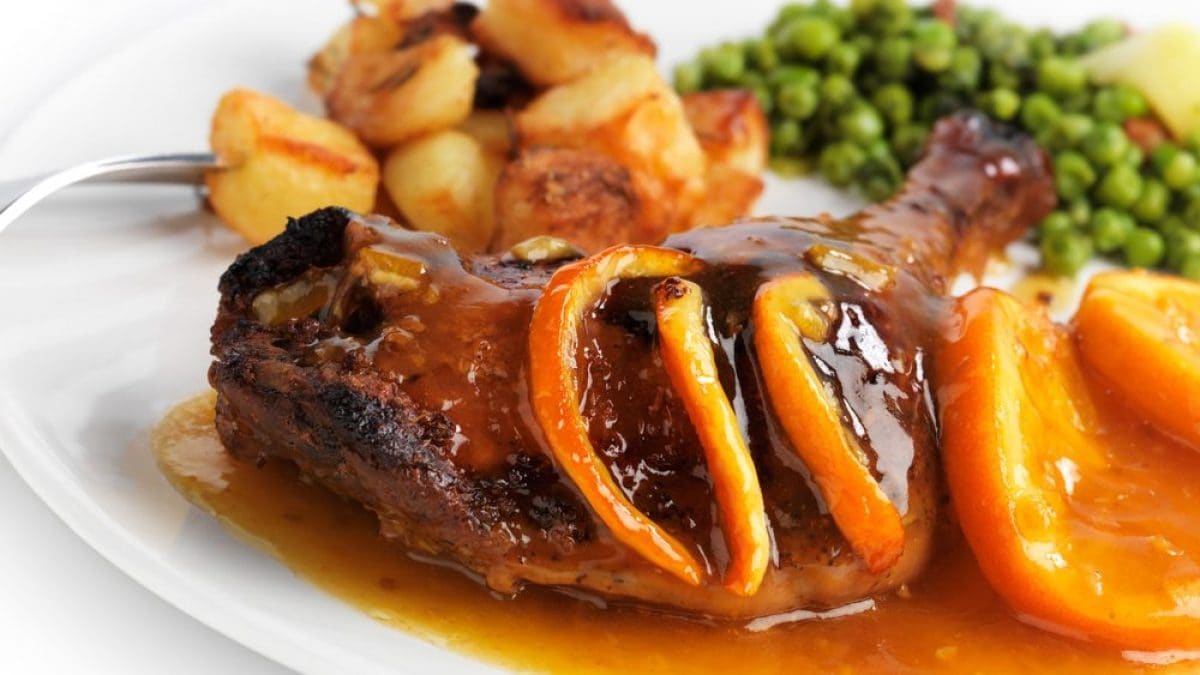
Citrus fruits, with their unmistakable aroma and lively acidity, are often associated with desserts and jams. However, their versatility goes far beyond that. In the kitchen, these fruits also find a place in savory dishes, becoming precious allies for balancing flavors, adding freshness and transforming a simple recipe into a refined experience. Whether marinating fish, dressing a salad or preparing a sauce for meat, they enhance flavor without ever overpowering it. Let's find out how to pair citrus fruits in savory dishes.
The Differences Between Common Citrus Fruits
Citrus fruits, native to tropical and subtropical regions of Asia, are today among the most versatile ingredients in the kitchen, used worldwide to enhance both savory and sweet dishes. Each of these fruits has unique characteristics that make it ideal for specific culinary uses.
- Lemon, with a strong but balanced aroma, is perfect for simple dishes.
- Orange, with its sweetness and a fresh, distinctive note, is ideal for more complex dishes.
- Lime, with its pungent flavour and fragrant peel, is the undisputed star of fresh and spicy dishes.
- Grapefruit, with its slightly bitter and less acidic notes, is perfect for complex salads, where a delicate and persistent contrast is sought.
- Mapo, the fruit of the union between mandarin and grapefruit, is distinguished by its herbaceous aroma and balanced flavour, ideal for light fish marinades or for adding a fresh and subtle note to salads.
- Bergamot, with its extraordinarily intense essence, finds its place in gourmet dishes, from aromatic oil – based dressings to elaborate sauces.

How to Pair Citrus Fruit With Savory Dishes
Choosing the right citrus fruit for a dish requires sensitivity and attention to context: their natural acidity not only affects flavor, but also has a very specific function. In fatty dishes, such as roast pork or duck, the acidity of orange or lemon is essential: not only does it enhance the flavor of the meat, but it also "cleanses" the palate, lending a pleasant lightness that entices the palate to savor the next bite. In fresh salads, orange tones down the bitterness of radicchio or the saltiness of ingredients like black olives and capers, creating a surprising balance.
The peel, rich in essential oils, lends a distinctive flavor and is essential for preparations like risottos or sauces, where every detail counts. A citrus risotto, for example, uses grated peel to enrich the dish without weighing it down with the acidity of the juice.
Cooking methods also profoundly influence the use of these fruits. Adding lemon juice to a baked fish not only preserves the fillet's moisture but also enhances its delicacy. The same principle applies to more elaborate preparations, such as lemon chicken: the juice slowly penetrates the meat during cooking, making it tender and fragrant, while the zest added at the end amplifies the aromatic intensity.

Savory Dishes With Citrus Fruits
After seeing how citrus fruits can enrich and balance flavors, here are some recipes where they take center stage. Lemon has become a common ingredient in savory dishes, thanks to its ability to enhance flavors and balance fats. Among the most popular is the aforementioned lemon chicken, a classic of worldwide cuisine, as is fried fish, which wouldn't be complete without a squeeze of fresh lemon. Equally popular are recipes that combine lemon with pasta, such as linguine with shrimp or spaghetti with lemon, both ideal for a light and flavorful summer meal. Lemon and shrimp risotto demonstrates how the acidity of this citrus fruit enhances the sweetness of shellfish, creating a refined dish.
While lemon pairs perfectly with shellfish, orange stands out in meat dishes: chicken with orange and pork loin with orange are examples of how this citrus fruit harmoniously enriches meat, balancing the flavors. This fruit also complements fish dishes, such as sea bream or salmon, where its fresh aroma pairs perfectly with the delicate flavor of the fish.
There are also less common varieties, such as grapefruit and bergamot, which offer surprising culinary inspiration. Pink grapefruit pasta is an original way to bring a lively and fragrant first course to the table. Bergamot, on the other hand, lends itself well to elegant preparations like bergamot risotto or seafood dishes, such as spaghetti with shrimp and swordfish, which combine its unique aroma with the intense flavors of seafood.

Even salads can be a little more exciting. Fennel and orange salad is a timeless classic, while radicchio and grapefruit salad combines the bitter flavor of radicchio with the sweetness of grapefruit for a fresh and original side dish. Citrus fruits not only add freshness to salads, but they also create a delicious contrast with bitter, crunchy, or savory ingredients, transforming a simple side dish into a memorable one. For example, try topping an arugula and pear salad with slices of pink grapefruit: the result will be a fresh and intriguing side dish.
In the kitchen, citrus fruits aren't just ingredients, but true catalysts of flavor. Whether you choose lemon for its bright acidity, orange for its sweetness, or bergamot for its unique aroma, each fruit adds character and sophistication to your dishes. Experiment, get inspired, and discover the full potential of these extraordinary fruits.
;Resize,width=767;)
