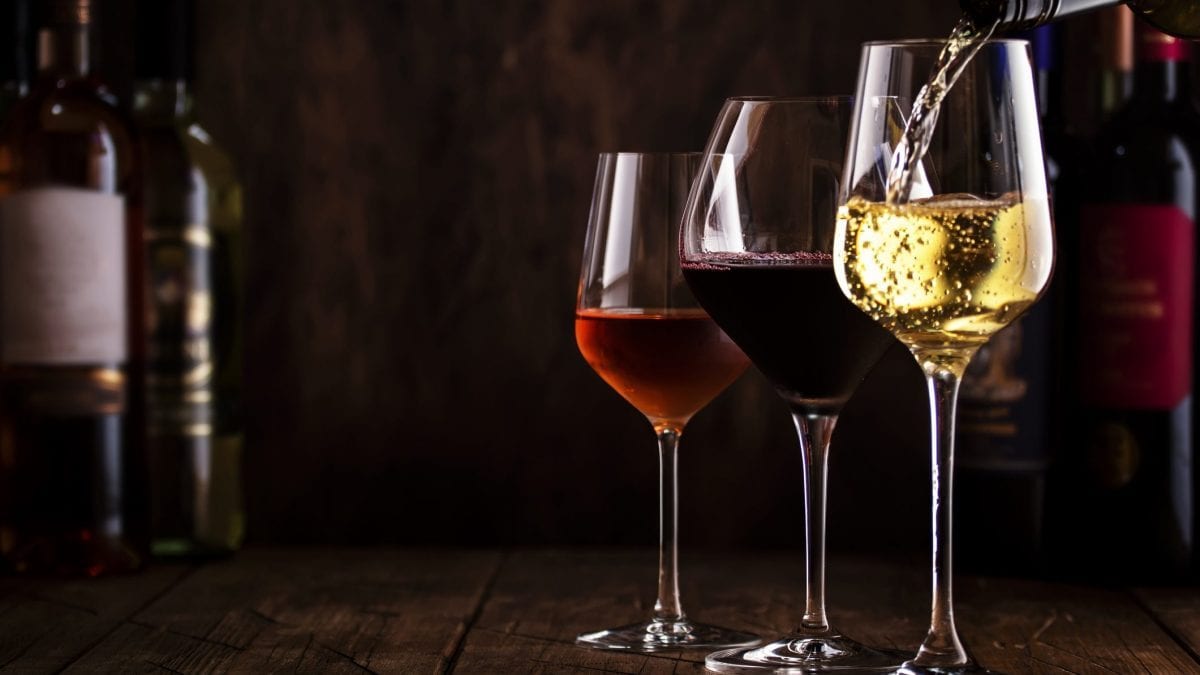
When tasting wine, have you ever wondered how much your choice of glass affects your tasting experience? The shape and size of the glass can enhance or attenuate the aromas and flavors of the wine, making it crucial to select the appropriate glass for each type. The shape of the glass not only influences the aroma of the wine, but also determines the amount of wine that enters the mouth and how it moves between the tongue and palate. A glass with a wider diameter will allow you to sip larger quantities, while a narrower glass will concentrate the wine in the center of the mouth. How do you choose the perfect glass? Let's explore together all the secrets of what is, in effect, a tasting tool.
Why Is It Important to Choose the Right Glass?
The right glass isn't chosen based on aesthetics or the sommelier's whim; it's a crucial detail that directly impacts your tasting experience. The right glass enhances the aromas, flavors, and even the sensation of the wine in your mouth. That's why you should pay attention to your glass choice every time you pour a wine.

The shape of the glass is not random: every curve, every dimension has a specific purpose. The glass is composed of four essential parts: the rim, the bowl, the stem, and the base. Let's see how each of these components influences the tasting experience:
- The rim: the thinner it is, the less it interferes with the perception of the wine on the tongue. A thick rim can alter the sensation of the liquid in the mouth.
- The bowl: its size determines the oxygenation of the wine and the concentration of aromas. The larger it is, the more it allows the wine to "breathe," releasing complex aromas.
- The stem: prevents the heat of your hands from affecting the temperature of the wine.
- The base: ensures stability and ease of grip.
The glass material affects the quality of the tasting and should not be underestimated. The best glasses are crystal, which guarantees greater transparency and a finer sensation on the lips. Traditional glass is a cheaper option but can have thicker walls, affecting the perception of the wine. If you want the most from your experience, opt for glasses made of thin, unengraved crystal.
Glasses for White and Rosé Wines

For these types of wine we recommend two types of glasses:
- For young, fresh white wines, characterized by more or less intense fruity or aromatic aromas, the Renano glass is the ideal choice, a glass with a medium opening. Its shape, with a slightly narrower rim than the body, allows the aromas to be concentrated, guiding them towards the nose. The capacity is generally small, to keep the wine at the right temperature and preserve its freshness. It is also suitable for rosé wines.
- For structured and complex white wines, the Burgundy glass is the ideal choice, a very common and extremely versatile glass that you can use for any wine you have available. Its broad, round shape, with a pronounced belly and a slightly narrow opening, was specifically designed to enhance richer, fuller-bodied white wines.
Red Wine Glasses

For these types of wine we recommend three types of glasses:
- If you love young, fruity red wines with soft tannins, the Ballon glass is the one for you. Its wide, round shape, similar to a football, allows the wine to oxygenate optimally, enhancing the fruity and floral aromas. The wide mouth allows you to bring your nose closer to the wine and fully appreciate its aromatic complexity. Burgundy is also a good choice for this type of wine.
- For structured, oak-aged red wines with strong tannins, such as Bordeaux and Nebbiolo, it's essential to choose a glass that promotes oxygenation and allows the tannins to soften without losing intensity. The Bordeaux glass, with its tall, narrow shape, concentrates the aromas and helps smooth the tannins, enhancing the wine's complexity. The Balloon glass, thanks to its width, can also be suitable, especially for younger wines, allowing for a better unfolding of the fruity and spicy aromas. In both cases, the goal is to encourage the wine's evolution in the glass, enhancing its structure and aromas.
Sparkling Wine Glasses

We know, everyone thinks that flutes and coupes are used for sparkling wines, after all, it's called a "Champagne glass" for a reason, but we recommend against both options. For sparkling wines, especially the classic method, our advice falls solely on the Tulip:
- Why is the tulip glass so special? First, the tulip shape allows the aromas of the sparkling wine to be concentrated. Imagine pouring a Champagne glass: the bubbles, rising from the base, carry all the wine's aromas, which are trapped in the narrowest part of the glass. This allows you to more intensely perceive the fruity, floral, and citrus notes that characterize many sparkling wines. Furthermore, the tulip glass's shape favors the formation of a persistent crown of foam, the so-called "neck." This crown is not only beautiful to look at, but also has an important function: it slows the release of the bubbles, allowing you to appreciate the sparkling sensation and aromatic complexity of the sparkling wine for longer. Finally, the tulip glass allows you to observe the color of the sparkling wine more accurately. The transparent part of the glass allows you to admire the golden or pink hues of the wine, an initial indication of its quality and complexity.
- Why not a flute? The flute, the classic flute-shaped glass, has long been considered the ideal glass for sparkling wine. While this glass preserves carbonation for a long time, it tends to disperse the sparkling wine's aromas, limiting the olfactory experience.
- Why not the Champagne glass? This glass used to symbolize elegance and opulence, but it's no longer used because the wide shape of the bowl favors the rapid dispersion of aromas, preventing us from appreciating the complexity and nuances of the wine. Furthermore, the bubbles disperse very easily in a glass.
Your Concise List to Consult to Choose Recommended Glasses for Certain Wines
- Young, crisp white wines (including rosé). Recommended glass: Renano. Characteristics: Medium opening, shape with a slightly narrower mouth to concentrate the aromas.
- Structured and complex white wines. Recommended glass: Burgundy. Characteristics: Broad and round shape, pronounced belly, slightly narrow opening to enhance the richness and complexity of the wine.
- Young, fruity red wines with soft tannins. Recommended glass: Balloon or Burgundy. Characteristics: Wide and rounded, shaped like a football to optimize oxygenation and enhance the fruity and floral aromas.
- Structured red wines, aged in wood and with strong tannins. Recommended glass: Bordeaux (also Ballon for younger wines). Characteristics: Tall, narrow shape to concentrate aromas and promote oxygenation, smoothing out strong tannins.
- Sparkling wines. Recommended glass: Tulip. Characteristics: Tulip shape that concentrates aromas and promotes the formation of a persistent head. Ideal for preserving aromatic complexity and bubbles.
Glasses Maintenance
To preserve the quality of your glasses, it's advisable to hand wash them with hot water and a small amount of neutral detergent, possibly adding a few drops of vinegar to remove any wine residue. After washing, let them drip dry on a clean cloth and dry them with a soft cloth, starting from the bowl and working toward the stem and foot. Store the glasses upside down to prevent dust from accumulating inside.
;Resize,width=767;)
