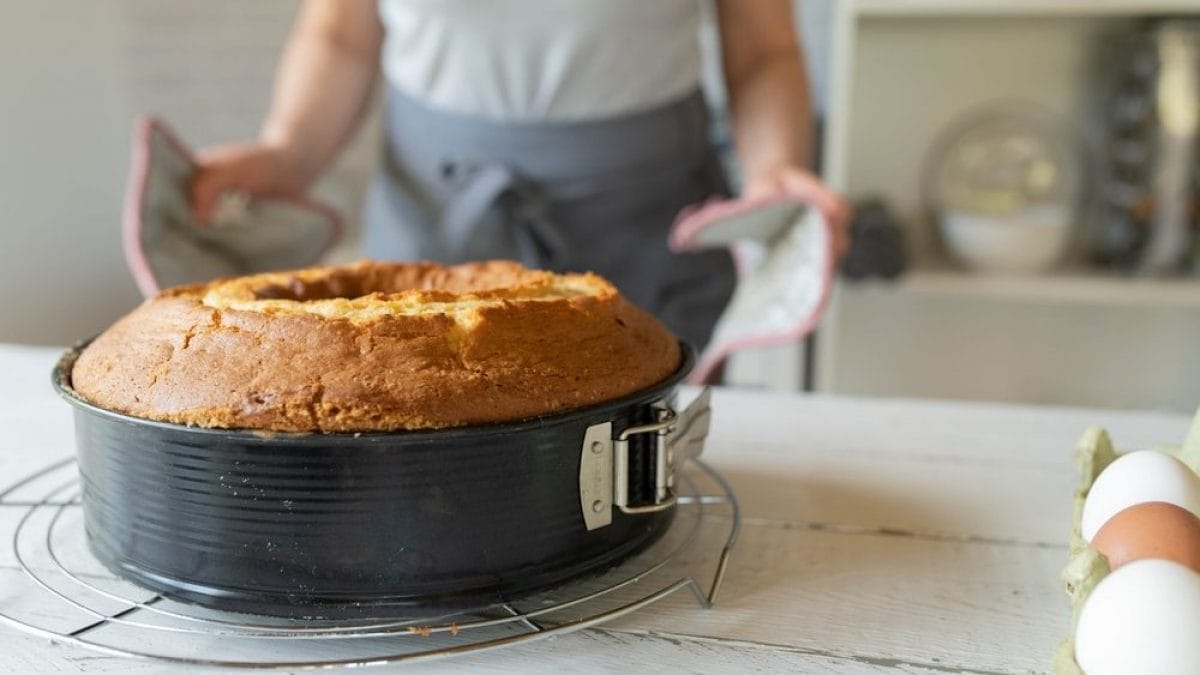
Tarts, cakes, tiramisu, cheesecake, crumble: when you're preparing a dessert, you need to consider many factors, including the choice of pan. This is often overlooked compared to the quality and quantities of ingredients, but it's actually crucial to the success of the recipe, both aesthetically and taste- wise. Navigating the myriad options is no easy task, as cake pans vary depending on what you're preparing, with different shapes, materials, and sizes. In this short guide, we'll look at how to choose the right pan, along with some tips to help you avoid mistakes.
Baking Pans' Shapes and Characteristics
Let's start with the first thing that catches the eye when purchasing: the shape. A cake pan can be round, rectangular, square, or shaped like a heart or a star, variations dedicated to special occasions like Valentine's Day or the Christmas holidays. Round pans are the most popular and versatile, used to make classic cakes, while rectangular or square pans are ideal for desserts that need to be portioned, like brownies, which are served in squares.
You'll notice that some cake pans have a hinge that allows them to open at the sides and are recommended for delicate preparations when unmolding, such as creamy cakes, particularly soft ones, or those with crumbly bases that risk breaking. The edges can also be higher or lower: the former are suitable for desserts or doughs that need to rise, such as sponge cake, while the latter are perfect for tarts and shortcrust pastry that don't require rising.
Then there are specific molds: the elongated and deep ones for loaf cakes or banana bread are easily recognizable, those with the proverbial hole for doughnuts and ring cakes, those with grooves that characterize the aesthetics of the bundt cake and, again, the round ones with a central "chimney" and feet of the chiffon cake and the angel cake that allow cakes with very airy dough to rise in height and cool upside down without fear of collapse.

Baking Pans' Materials
Another detail to consider when looking for the right support is the material the cake pans are made of: depending on the cake recipe, the choice can fall on more traditional or contemporary molds, which have advantages and disadvantages. Let's look at them together.
- Metal: This is the most versatile option. They are generally made of aluminum, steel, or stainless steel and are excellent heat conductors, thus promoting even cooking. Most of the time, they are not non-stick, and therefore need to be greased (oiled or buttered) or lined with parchment paper to prevent the dough from sticking during baking.
- Ceramic: This is the most traditional material, which propagates heat more slowly, so cooking times tend to be longer, but it has a better ability to retain heat once removed from the oven. At the same time, it maintains the cold temperature of a dessert that has rested in the refrigerator. It is heavy, but spectacular to serve: it is a great classic for clafoutis, apple pie, or crumble, desserts with a soft consistency that are therefore left in the oven.
- Glass: we are talking about the common Pyrex, which resists the high temperatures of the oven: it is a passepartout that is easy to wash and handle, and which, being transparent, allows you to see inside, suitable for those spoon desserts where the layers are a strong point.
- Silicone: the newest option, much loved in professional pastry making and now becoming popular in home baking as well. The molds are lightweight and flexible, appreciated for their ease of unmold, and are also dishwasher safe.

How to Choose The Right Size
The third factor not to be underestimated is size: the correct size of the pan is essential for respecting the recipe's proportions, so you get exactly the result you expect and not a cake that remains flat and dry because you used a pan that's too large, or one that overflows, cooked unevenly, because a pan that's too small. How do you go about it? First, take note of these measurements:
- For 6 people:Round baking pan: 17 cm (6.7 inches), Rectangular mold: 18×15 cm (7.1×5.9 inches)
- For 8 people:Round baking pan: 20 cm (7.9 inches), Rectangular mold: 20×16 cm (7.9×6.3 inches)
- For 10 people:Round baking pan: 22 cm (8.7 inches), Rectangular mold: 22×17 cm (8.7×6.7 inches)
- For 12 people:Round baking pan: 24 cm (9.4 inches), Rectangular mold: 24×21 cm (9.4×8.3 inches)
- For 14 people:Round baking pan: 26 cm (10.2 inches), Rectangular mold: 23×26 cm (9.1×10.2 inches)
- For 16 people:Round baking pan: 28 cm (11 inches), Rectangular mold: 28×25 cm (11×9.8 inches)
- For 18 people:Round baking pan: 30 cm (11.8 inches), Rectangular mold: 30×27 cm (11.8×10.6 inches)
Then, mathematics comes to your rescue, which we've learned is also useful in the kitchen. In a pinch, doing some calculations helps you adapt the quantities of a recipe to a cake pan different from the one indicated: the "secret" is to find the area of the pan, then compare the results and see if they are equivalent, then leave everything unchanged, or increase the ingredients (in the case of a larger area) or decrease them (in the case of a smaller area). How do you do it? By following the formulas: for round pans, first measure the diameter and then calculate the radius (half the diameter), finally multiply the radius by itself and then by 3.14 (π, the Greek Pi); for rectangular pans, multiply the base by the height (long side and short side), which becomes side by side if they are square.
;Resize,width=767;)
