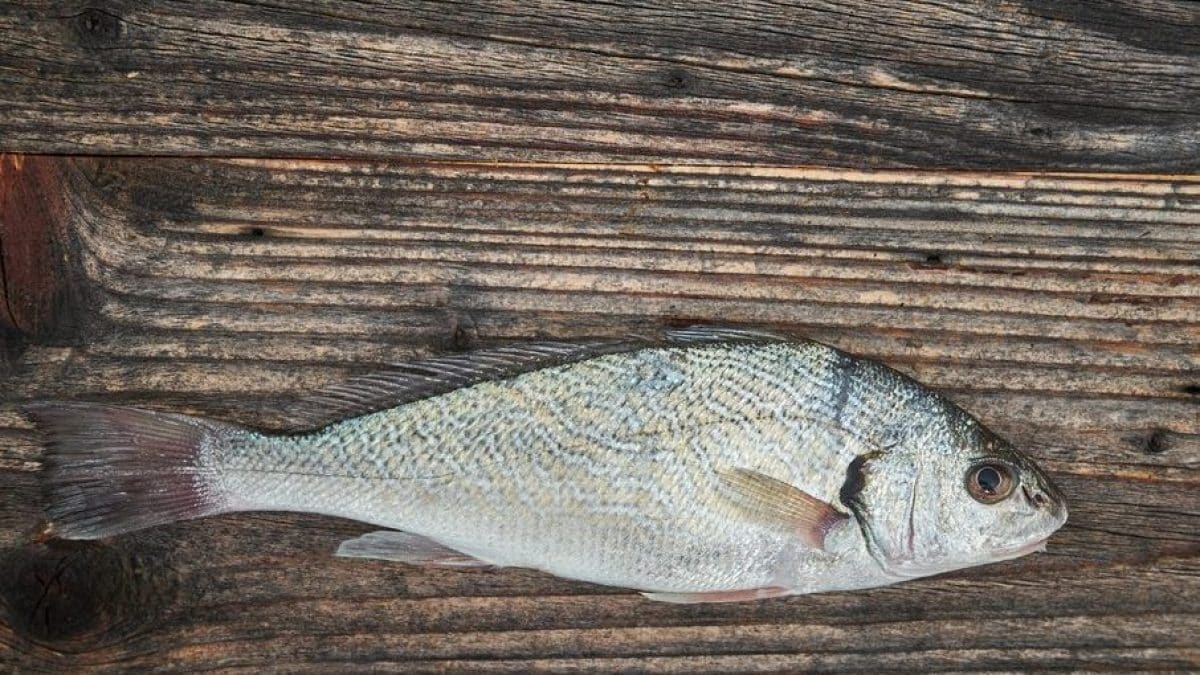
Tasty and sought-after, croaker is a fish with high-quality flesh and a wealth of beneficial properties, such as the presence of the famous healthy omega-3 fats and high-biological-value proteins. Suitable for special occasions, it is also elegant and refined in appearance, thanks to its tapered shape and silvery livery with violet highlights: it can exceed 10 kg and a meter in length, but the average size at the fishmonger's is around 1.2 kg . A fish species widespread in the Black Sea and the Atlantic Ocean, with a delicate and very pleasant flavor, also suitable for children, to be brought to the table without too much handling: here's how to do it.
How to Clean and Fillet Croaker Fish
If you happen to have a nice fresh croaker fish to hand, you can cook it in several ways, as we'll see later. For some recipes, you simply clean it thoroughly and then bake it whole; for others, you need to fillet it, or prepare it in a pan for sauces or dishes. Let's see how to proceed so as not to injure yourself or ruin the flesh of this fish.
What Do You Need?
Before getting started, it's a good idea to check the tools you'll need. You'll need a sharp kitchen knife or scissors, a filleting knife (with a long, flexible blade, which will make the job easier), a cutting board or stable work surface, and tweezers to remove the bones. Optional? A scaler (you can use the back of a knife) and gloves, although there are some good tricks to get rid of the fishy smell.

How to Clean Croaker Fish
Take the meagre and first remove the fairly tough scales using a special tool or the back of a knife, moving from the tail toward the head, going, so to speak, "against the grain." It's best to stand in the sink and use running water to help you avoid spreading the scales. Then, transfer the fish to the cutting board to proceed with gutting: using scissors (or a knife), cut the ventral area and remove the innards by hand. Once removed, rinse thoroughly; there should be no residue. Pat dry with paper towels.
How to Fillet Croaker Fish
At this point, still with the croaker fish on the work surface, take the filleting knife and make a deep incision at the height of the gills, but without detaching the head. Place your left hand just below the cut to hold the fish steady on the cutting board, and with your right, cut along the backbone: keep the blade parallel to the bone, avoiding leaving too much meat attached, and proceed slowly but decisively towards the tail, slightly lifting the fillet as it detaches, with your left hand moving, gradually following the action. Remove the fillet you have obtained, turn the fish, and repeat. Finally, set aside the scraps (which you can use to make broths and stocks) and trim the edges of both fillets, removing the fattest part. Use tweezers to remove any remaining bones. The fillets are ready for use.

How to Use Croaker Fish in The Kitchen
Croaker fish is fortunate to be a versatile fish, which at home can be enhanced with simple recipes. The fillets, for example, can be cooked in a pan with a drizzle of extra virgin olive oil, an unpeeled clove of garlic and a sprig of thyme, possibly deglazed with a little white wine: just a few minutes are enough to obtain tender and fragrant meat, ideal with grilled vegetables or a fennel salad. This version is also excellent in a Mediterranean style, with a sauce of datterini tomatoes, Taggiasca olives and capers: if you cut the fillet into small pieces, you can create a tasty fish ragù, an elegant addition to short pasta dishes like paccheri or calamarata. If you choose to cook it whole, then go for the foil, with aromatic herbs and citrus slices, or with salt: in the latter case, do not scale, as the scales form a natural barrier that protects the flesh during cooking. In both cases, you will be sure of tender and juicy meat.
;Resize,width=767;)
