
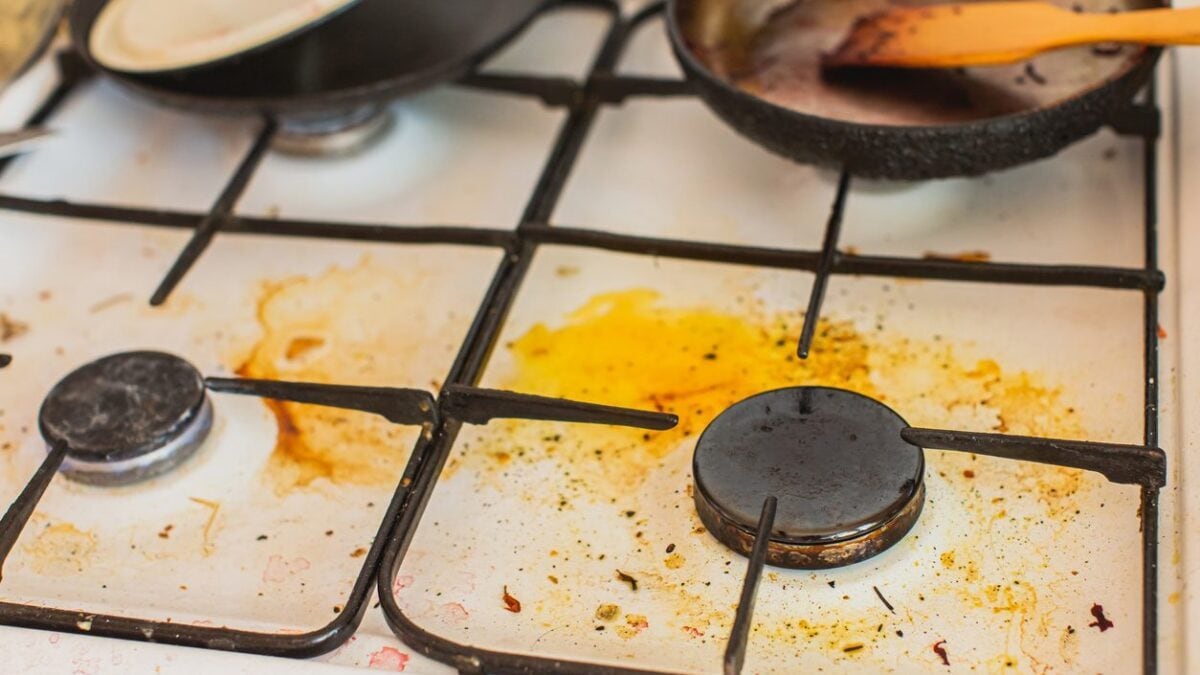
Hob burners are among the kitchen elements that tend to get dirty most easily: grease splashes, food residue, and spilled liquids from pans can accumulate and, with the heat, form encrustations that are difficult to remove. Furthermore, if cleaning is not consistent, the burners can become greasy, dull, and blackened, and simply wiping them with a sponge may not be enough.
To thoroughly clean them, however, it's not always necessary to resort to particularly aggressive products. In this video, we show you a quick and easy method using baking soda and toothpaste, useful for softening dirt and making it easier to remove encrustations. Let's see what you need and how to do it.
The Method to Make Black and Encrusted Burners Look Like New Again
When burners aren't cleaned regularly, the heat can cause grease, food residue, cooking water, and detergent residue to stick and dry, making them more difficult to remove. For a more thorough cleaning, you can try the method shown in the video: here's what you need and all the steps to follow.
What You'll Need to Clean the Burners
- Boiling water: The heat helps soften dirt and debris that has settled on the burners.
- Baking soda: thanks to its slightly abrasive action, it can help remove dirt without having to immediately scrub with overly aggressive tools.
- White toothpaste: It generally contains mildly abrasive substances and surfactants that can facilitate the removal of surface residue. It's best to choose a plain toothpaste, avoiding gel-based formulas or those containing particularly abrasive particles.
- A heat-resistant basin or bowl: It must be large enough to accommodate the burners.
- A soft sponge: used to scrub the pieces after soaking.
- Gloves: useful for protecting your hands while cleaning.
Before proceeding, it is advisable to check the instructions of the hob manufacturer, because the materials and coatings of the burners can be different and not all require the same treatment.
Steps to Clean The Burners
- Turn off the hob and wait until the burners and burners are completely cool, then remove the removable parts.
- Bring some water to a boil and place the burners in a heatproof bowl.
- Spread some baking soda and a little toothpaste on the burners, as shown in the video.
- Carefully pour boiling water into the bowl, until the pieces are covered.
- Stir lightly and let the burners soak until the water cools. This will give the encrusted dirt time to soften.
- Put a small amount of toothpaste on a damp sponge and gently wipe the burners, focusing on the dirtiest areas.
- Rinse thoroughly under running water to remove any baking soda, toothpaste, and dirt residue.
- Dry each component thoroughly before reassembling it on the hob: there must be no traces of water or humidity left.
What if The Burners Are Very Encrusted?
For old or particularly stubborn encrustations, a single wipe may not be enough. In this case, it's better to soak rather than scrub vigorously: leave the burners in the hot water until they cool, giving the dirt time to soften.
After soaking, wipe the affected areas with a soft sponge and repeat the treatment if necessary. Avoid using knives, metal scrapers, or abrasive pads to remove encrusted deposits: they could scratch or damage the surface.
If dirt remains despite treatment, before using stronger detergents it is best to consult the manufacturer's instructions and choose a product compatible with the specific burner material.
Mistakes to Avoid When Cleaning the Burners
Even a seemingly simple operation can damage hob components if performed incorrectly. Here are the most common mistakes to avoid:
- Cleaning or disassembling the burners while they are still hot: in addition to the risk of burning yourself, the sudden change in temperature could damage some materials.
- Using steel wool, knives, or abrasive tools can scratch surfaces and damage their finish.
- Scrubbing too much: It is better to let the soaking take effect and repeat the cleaning if necessary rather than applying too much pressure.
- Using aggressive products without checking the manufacturer's instructions: bleach, highly corrosive detergents, or other unsuitable products can alter the material or coating.
- Leaving any detergent residue: baking soda, toothpaste, or any other product used must be removed with a thorough rinse.
- Reassembling the burners while they are still wet: before putting them back in place, it is important to dry them completely, paying attention to any cracks and small holes.
- Not cleaning the burner holes: they must be free of debris and debris for the gas to flow properly. If they are clogged, follow the manufacturer's instructions for cleaning them.
- Waiting until the dirt becomes very encrusted: regular cleaning makes it easier to remove grease and residue and avoids having to resort to more thorough treatments each time.
;Resize,width=767;)
