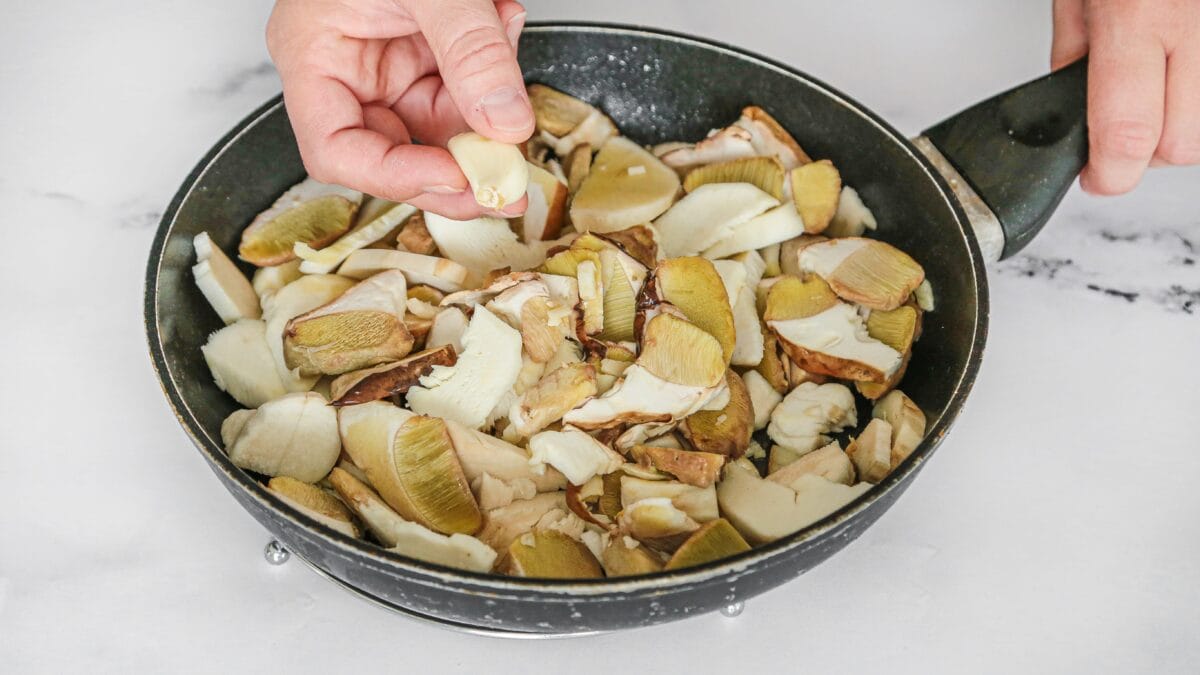
You heat up your skillet, drop in a generous pat of butter, throw in a mountain of sliced mushrooms, and sprinkle them with salt. Five minutes later, instead of getting a pan of golden, deeply caramelized mushrooms, you are staring at a sad, grey pool of lukewarm liquid with rubbery fungi boiling in their own juices. It is one of the most common cooking frustrations, but the blame lies in food science.
Mushrooms are composed of roughly 80% to 90% water. When exposed to heat, the fungal cell structures collapse, releasing a massive wave of trapped moisture all at once. If that moisture cannot evaporate immediately, your mushrooms end up steaming rather than frying.
Fortunately, changing a few simple habits—and flipping the order in which you add ingredients—guarantees restaurant-quality, crispy-edged mushrooms every single time.
The Golden Technique: The "Dry Sear"
The single most effective way to eliminate soggy mushrooms is a technique known as dry searing (or dry sweating). Most home cooks start by coating the pan in oil or butter. However, fat acts as an insulator, trapping the water that leaks out of the mushrooms and preventing rapid evaporation.
Place your sliced mushrooms into a preheated, completely dry skillet over medium-high heat—no oil, no butter, and no salt. As the mushrooms heat up, they will release their internal water. Because there is no oil barrier, that liquid evaporates almost instantly into steam. Once the water is gone and the pan sounds quiet again, the mushroom tissues shrink and intensify in flavor. Now is the moment to add your butter, olive oil, and seasonings. The porous, pre-dried mushrooms will absorb the flavor of the fats rather than boiling in water.
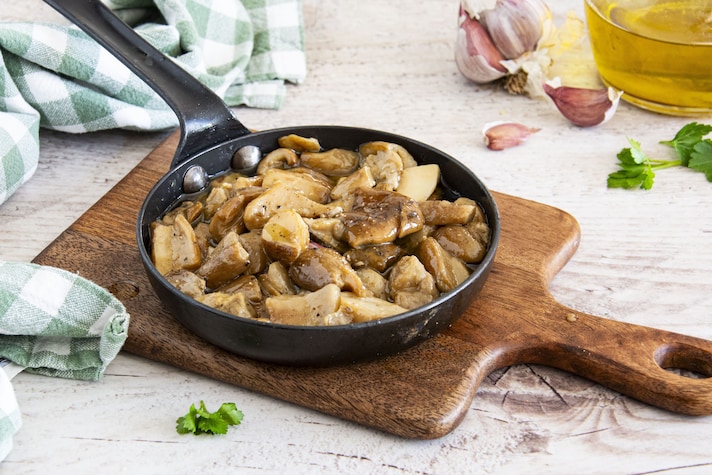
4 Non-Negotiable Rules for Perfect Mushrooms
Beyond the dry sear, keeping these four fundamental rules in mind will keep sogginess far away from your sauté pan:
1. Stop Soaking Your Mushrooms
Mushrooms act like natural sponges. Submerging them in a bowl of water right before cooking saturates their porous flesh with extra liquid that you'll have to evaporate later. Instead, wipe off dirt using a dry paper towel or a soft pastry brush. If they are exceptionally dirty, give them a split-second rinse under cold running water and dry them thoroughly with a towel immediately.
2. Give Them Elbow Room
Crowding the pan is the ultimate recipe for soggy mushrooms. When mushrooms are piled on top of each other, the steam escaping from the bottom layer gets trapped by the layer above it, creating a mini-steamer inside your skillet. Cook in batches, ensuring every piece of mushroom touches the hot metal surface in a single layer.
3. Hold the Salt Until the Very End
Salt draws out moisture through osmosis. If you salt your mushrooms the moment they hit the hot pan, you force them to dump all their water at once before the pan is hot enough to burn it off. Wait to season with salt until the very last two minutes of cooking, right after they have developed a deep brown crust.
4. Stop Moving Them Around
Caramelization requires continuous, uninterrupted contact with high heat. Resisting the urge to toss or stir the mushrooms constantly gives the sugars and amino acids time to undergo the Maillard reaction, developing a rich, savory crust. Let them sit untouched for 3 to 4 minutes per side before flipping.

The Master Method, Step-by-Step
- Clean mushrooms dry and slice them thick (thin slices dry out and shrivel too fast).
- Set a heavy-bottomed skillet (cast iron or stainless steel works best) over medium-high heat until hot.
- Add sliced mushrooms to the dry pan in a single layer. Let them brown and release their moisture for 4 to 5 minutes without stirring.
- Once the moisture has completely evaporated and the edges start to brown, toss in 1 to 2 tablespoons of butter or high-heat oil, along with minced garlic or thyme.
- Sauté for another 2 to 3 minutes until deeply browned and crisp. Season with sea salt and cracked black pepper right before serving.

