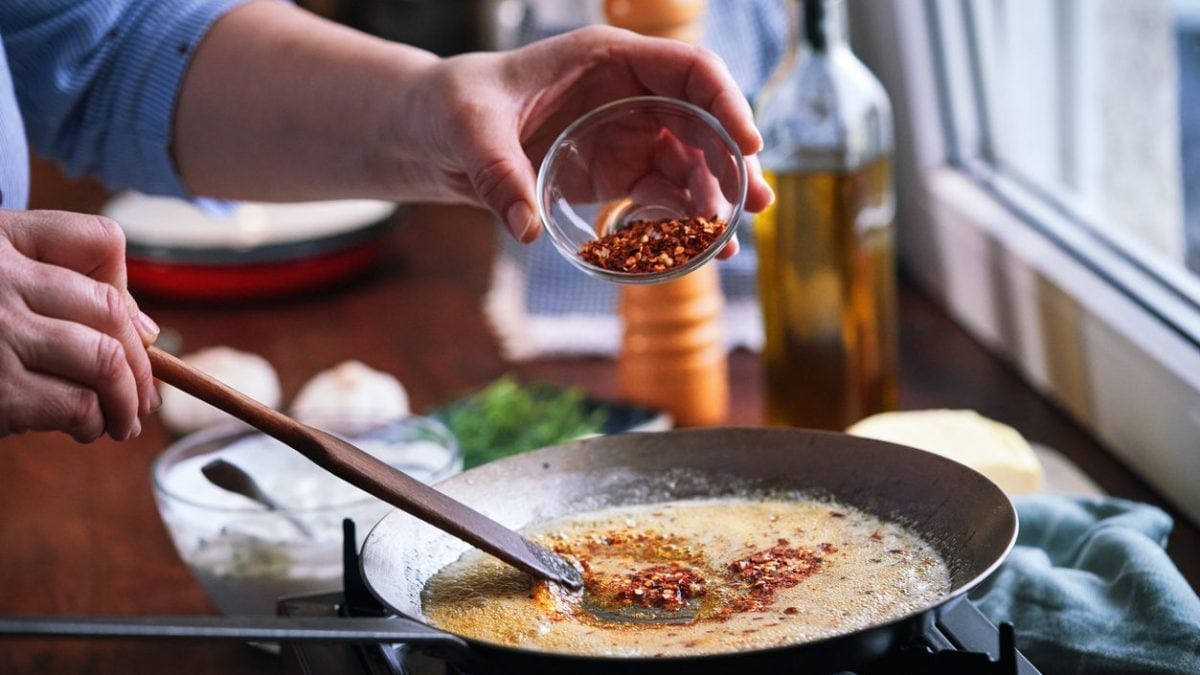
It's probably happened to everyone at least once: preparing a dish that was meant to be pleasantly spicy, but instead it set your palate on fire, making it insensitive to any other type of flavor. There are traditional American recipes, as well as Tex-Mex, Asian, South American, or African ones, that have an extra kick thanks to chili pepper or a clever blend of spices. A touch of heat that, when excessive, makes the dish almost inedible. Well, that doesn't mean it can't be recovered by adding ingredients capable of tempering or counterbalancing the spicy note. Let's see what they are and how to use them.
Why It Happens and What Causes the Burn
A dish becomes excessively spicy when the amount of ingredients containing pungent substances exceeds the overall balance of the recipe. The main culprits are fresh or dried chili pepper, powdered chili pepper, hot paprika, black pepper, but also ginger, mustard, horseradish, and some spicy sauces like harissa or sriracha. These foods contain irritating molecules —the most well-known being capsaicin in chili pepper —that stimulate pain receptors in the mouth and mucous membranes. The brain interprets this stimulus as a sensation of heat or burning, even though there is no actual increase in temperature. Precisely because capsaicin is a fat-soluble and not water-soluble substance, drinking water does not help put out the heat; rather, it distributes it over a larger surface area, prolonging the unpleasant sensation.
If you're planning on making a spicy dish, then keep some of the following ingredients on hand, which can come to your rescue when the recipe gets out of hand, due to the incorrect amount of chili pepper or spices.
1. Tubers, Carrots and Cereals
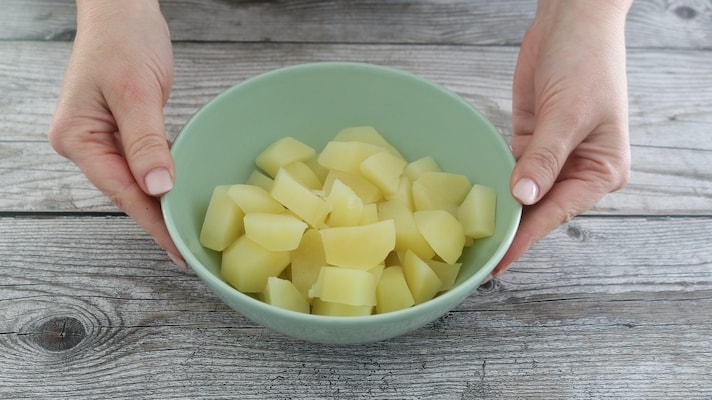
Neutral and starchy ingredients like potatoes, rice, bread, pasta, couscous, and even carrots, which have a sweetish flavor and a mushy consistency after boiling, absorb part of the spicy component and dilute the concentration of spices. Adding them is especially effective in moist dishes like soups, curries, stews, or gravies. Raw potatoes, for example, act as a sponge, while grains expand the overall volume of the dish, thus reducing the perceived intensity.
2. Milk and Dairy Products
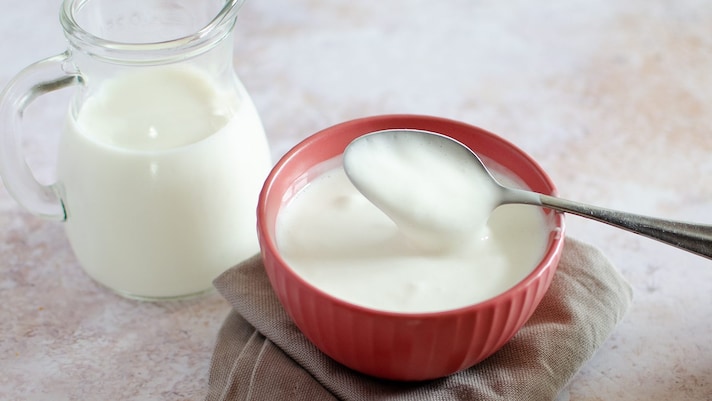
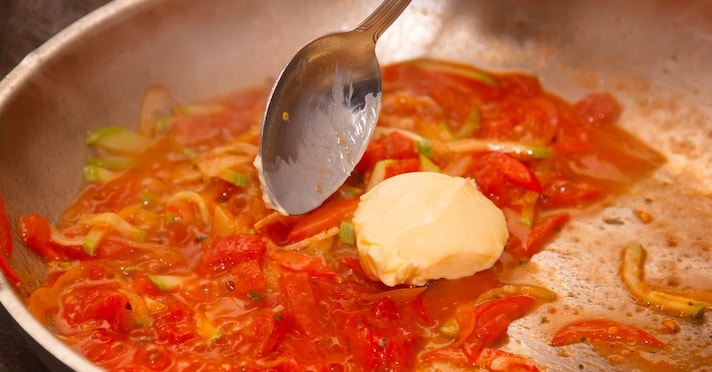
Dairy products like milk, cream, yogurt, butter, mascarpone, and fresh cheeses are among the most effective remedies because they contain fats and casein, a protein capable of binding to capsaicin and removing it from pain receptors. How to use them? Add a little cream to a spicy sauce, or yogurt to a meat stew, or if you have a tomato sauce, ricotta or béchamel, depending on the preparation, are excellent solutions. Not only do they tame the fire, but they also round out the flavor and make the texture creamier.
3. Acidic of Sour Ingredients

Lemon juice, lime juice, wine, and even vinegar can balance spicy flavors thanks to their acidity, which counteracts the perceived burning sensation and also provides a unique aromatic profile that complements the spicy ingredients. They work well in sauces, dressings, and marinades, but also in meat and fish soups, to regulate the broth. Be careful, however, when using them, especially vinegar, which tends to be overpowering and difficult to adjust.
4. Dried Fruit
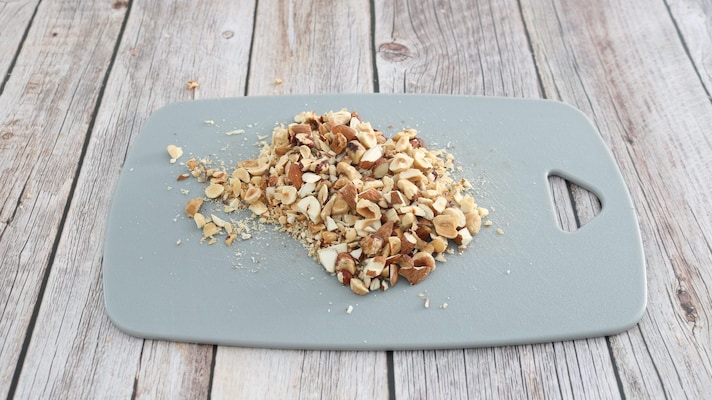
You can also use nuts, especially almonds, cashews, and peanuts, as they are oily seeds that we perceive as having a buttery texture. They're useful because they contain natural fats that mitigate the effect of capsaicin. To achieve the desired result, the best way is to blend them and reduce them to a paste (like peanut butter), resulting in a creamy mixture that can be added to a recipe or used as a dipping sauce.
5. Sugar and Honey

A small amount of sweetness can tone down the spicy sensation because it creates a flavor contrast. Sugar, for example, is ideal for sauces and gravies (such as tomato-based ones), while honey is a valuable ally for meat and vegetable dishes. Since these elements don't go unnoticed, the advice is to proceed with modest additions and taste.
Mistakes to Avoid When Saving a Spicy Dish
The most common mistake? Undoubtedly the same one made when your palate is on fire: adding water or broth, thinking it will dilute the spiciness. If the preparation doesn't call for additional liquid, you risk distorting the dish without achieving any spiciness benefit. Another common mistake is trying to cover the spiciness with other strong but sweet spices, such as turmeric, or aromatic herbs: the flavors will be too aggressive, completely covering those of the other ingredients. Adding salt is absolutely forbidden: the saltiness intensifies the overall perception of flavors, including the spicy one. Finally, remember that any possible adjustments must be consistent with the original dish or you will waste time and ingredients.
How to Avoid Making a Dish That's Too Spicy
Prevention is better than cure: a rule that also applies in the kitchen. In general, when cooking, knowing the ingredients you use can save you from several failures. When using fresh chili peppers, for example, it's important to know that their intensity varies greatly from variety to variety, and removing the seeds and internal membranes produces a more delicate effect. The cut also has an impact: finely chopped chili peppers release more pungent substances than large or whole pieces. With powdered spices, however, it's best to add them little by little, tasting them during cooking, because the spiciness increases as the liquids concentrate, with the water evaporating and the sauce reducing. Furthermore, remember that ginger, mustard, and arugula can also add a "stinging" sensation, so it's always important to balance these ingredients in a recipe with other ingredients that potentially act as "extinguishers."
;Resize,width=767;)
