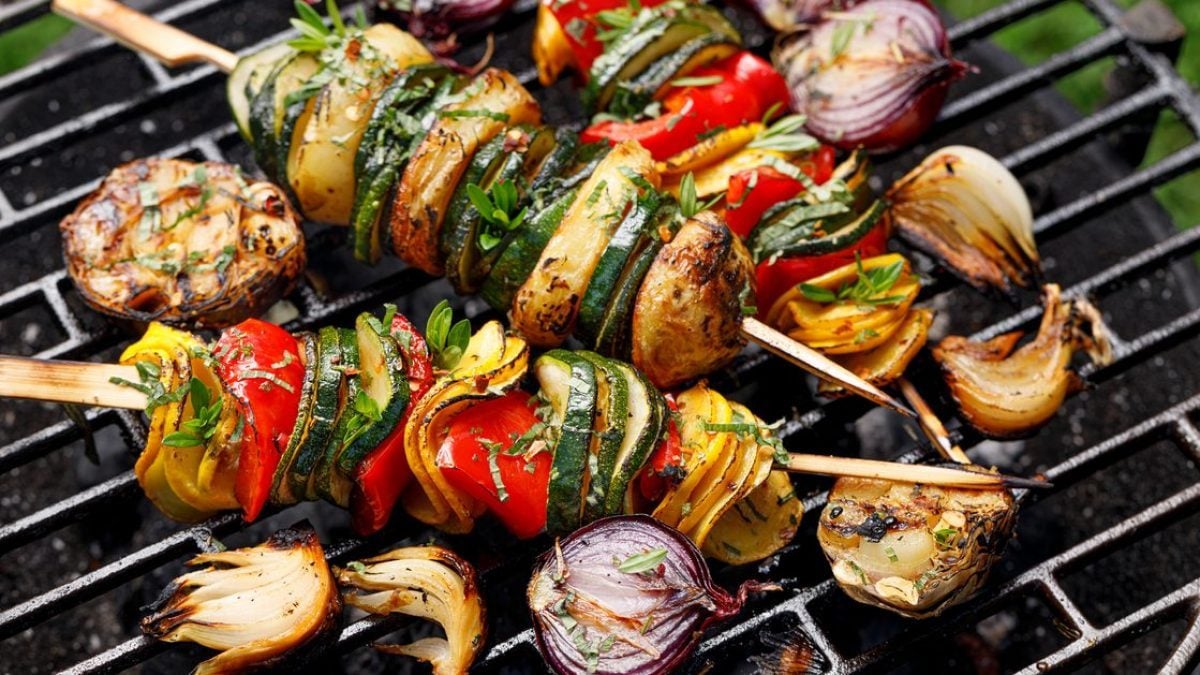
When you think of a barbecue, you immediately imagine a triumph of meat, including ribs, burgers, skewers, and sausages. In reality, you can organize equally tasty vegan barbecues in the same way, characterized by a touch of extra creativity. The main courses are made with plant-based products that are easy to find in supermarkets, but also simple to prepare at home, such as legume burgers, or the more classic tofu and seitan, ingredients that have long been part of the pantries of those who follow an animal-free diet or those who want to reduce their consumption. A green barbecue, then, is an explosion of flavors thanks to sauces and marinades where you can play with the colors of spices, aromatic herbs, and vegetables to create original and tasty combinations. Here's how to organize a vegan barbecue that's guaranteed to be a success.
1. Vegan Burgers, Meat and Cheese Substitutes
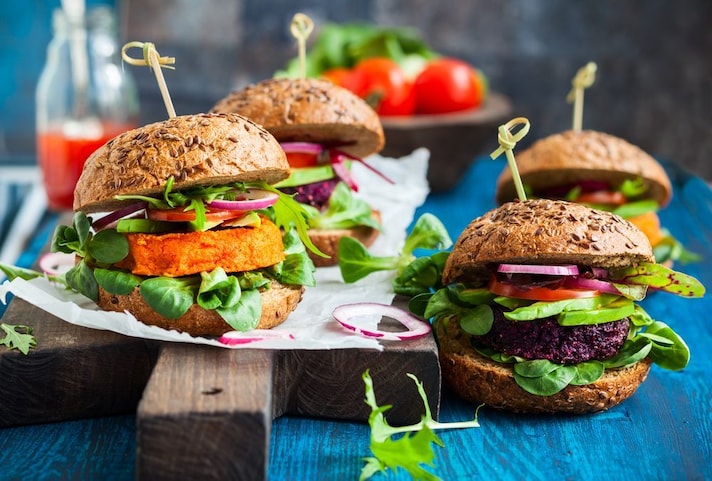
The trend toward eating less animal protein has led to the use of various alternatives to replicate, first in form and then in taste, some of the most classic meat-based foods, first and foremost hamburgers. To fill the buns, there are two options: the first is to prepare homemade burgers with legumes and vegetables, such as beans, lentils, or tofu, recreating the familiar flattened meatball appearance. The second is to rely on those substitutes now widely available on the market that replicate not only the aesthetics, but also the flavor of a hamburger and other specialties: there are ribs, frankfurters, pulled pork, and vegetable sausages that faithfully reproduce (some more, some less) the visual and sensorial experience of meat or cheese, while newcomers include vegan mozzarella or sliced cheese. Both solutions are excellent; the choice depends entirely on individual preference.
2. Make Room For a Wide Variety of Vegetables
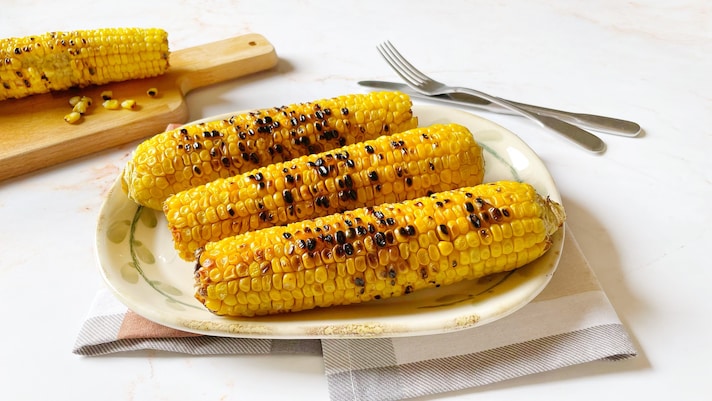
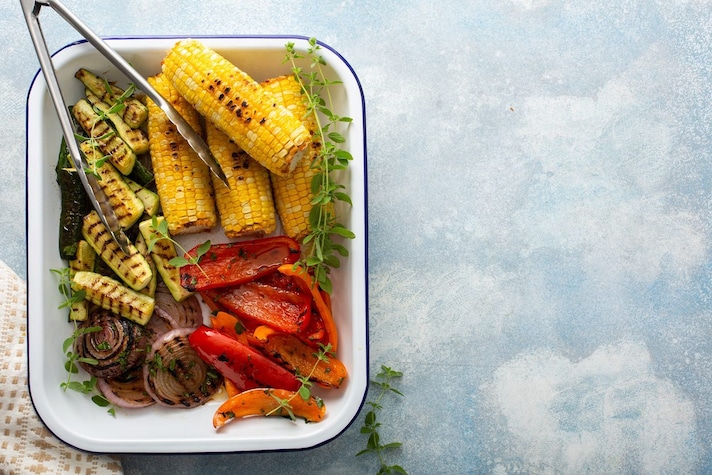
Grilled vegetables have become almost a nightmare for vegans, who over time have seen them offered in every restaurant as the only possible way to avoid being left empty-handed. So, to avoid recalling disastrous dinners, don't limit yourself to the ordinary trio of eggplants, zucchini and peppers, but think of something extraordinary. For example, cauliflower becomes a perfect ally: it can be served as a steak, with the slice first marinated in oil, parsley, salt, chili pepper (but also curry or paprika) and then grilled, or whole, inside a paper bag seasoned with oil, salt, and pepper, like potatoes. Mushrooms also lend themselves to being treated in the same way, especially the pleurotus variety, large and firm, flavored with parsley and fresh mint. Green light is given to corn on the cob, which always brings joy, as well as asparagus when in season, spring onions or green beans, ideal as a side dish. A great idea for presenting vegetables on the barbecue is to make vegan skewers, with peppers, courgettes and tofu cut into cubes and served with sauces of your choice.
3. Never Underestimate the Great Classics
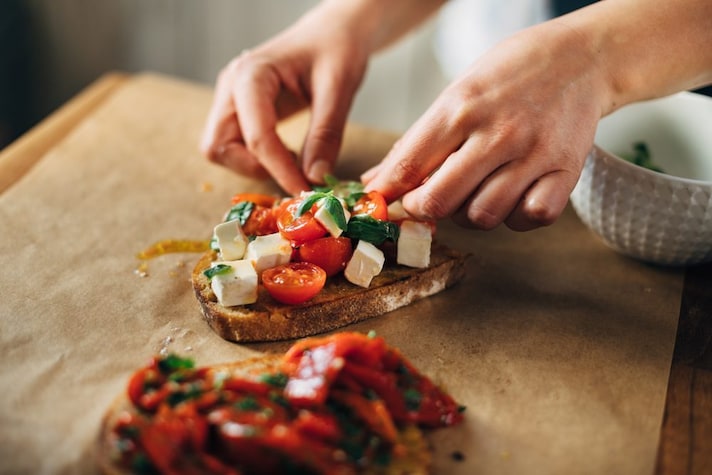
Being creative doesn't mean forgetting those timeless classics. Bruschetta, made with good homemade bread, is a prime example. You can garnish it with a basic version of tomatoes, making the most of diced summer vegetables, or with a mix of peppers and capers. Grilled onions are a true delicacy: opt for the sweet and delicate red Tropea onions, served sliced with a simple dressing of chopped herbs and oil.
4. Give Importance to Marinades
Just as they are essential to traditional barbecue, they are equally essential to vegan barbecue, if not more so. Anyone who, as a beginner, has underestimated the process of using tofu or plain seitan knows this well: their flavor is so neutral that they absolutely need to be immersed in sauces to bring out pleasant notes on the palate and nose. In this sense, you can opt for Mediterranean-style marinades, with aromatic herbs, citrus fruits, and extra virgin olive oil, or go oriental, using sauces and soy bases like teriyaki paired with chives, or tandoori style, with plant-based yogurt (like soy) and spices. If you love spicy food, dare with a chimichurri marinade, straight from Argentina. An idea to try immediately? The tofu marinated with curry, soy and ginger, as in our recipe, but instead of cutting it into cubes, obtain a rectangular slice from the piece, which is easier to cook on the grill.
5. Go Wild With Vegan Sauces
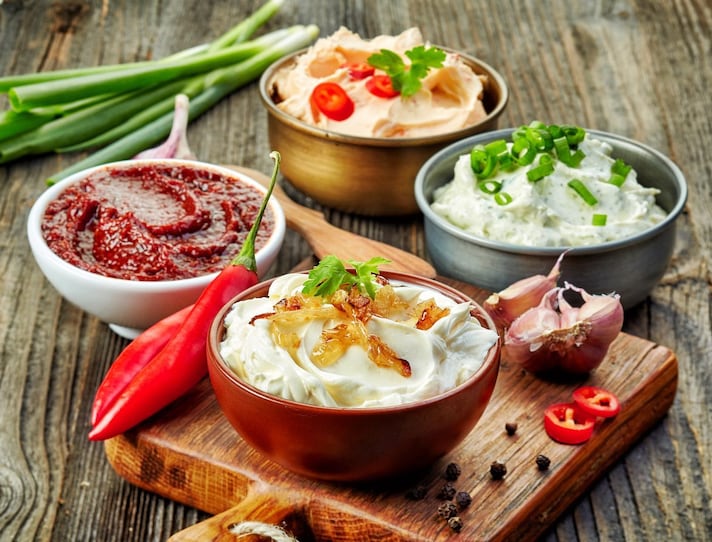
Sauces, when made properly, have a powerful attraction, as well as performing important functions such as binding the ingredients of a recipe, adding the right amount of moisture to otherwise dry dishes, and enhancing or contrasting a flavor. Grilled meat has its iconic sauces, starting with barbecue, but there are also countless vegan versions. Most of the time they are very colorful, just think of the countless variations of hummus, from orange carrot hummus (just leave out the honey in our recipe) to purple beetroot hummus (we made it creamy with cow's milk ricotta, but you can use the vegetable version too ), through eggless mayonnaises, yellow with curry or turmeric, or green with avocado. Not to mention red sauces made with tomatoes and peppers, such as the Piedmontese salsa rubra, and spicy ones, such as the increasingly popular Maghreb harissa.
6. Grill Fruit Too
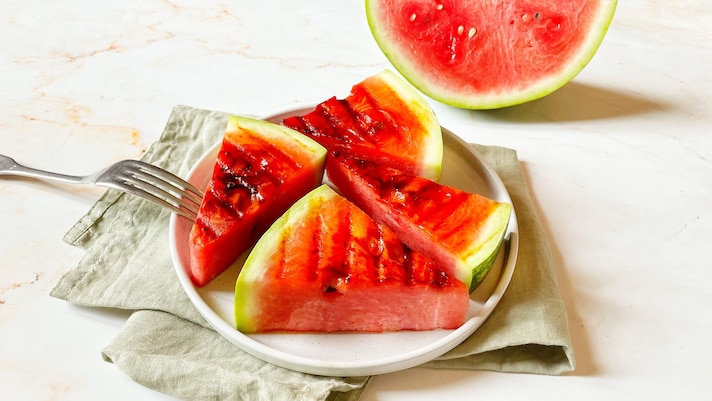
Fruit is the perfect sweet ending to a barbecue. Choose juicy, plump fruits like pineapple, peaches, apricots, figs, but also watermelon and cantaloupe. They can be grilled together and served as a fruit salad, or individually, garnished with maple syrup and mint leaves. Or, even more deliciously, with melted dark chocolate or scoops of vegan ice cream , made without dairy or eggs.
;Resize,width=767;)
