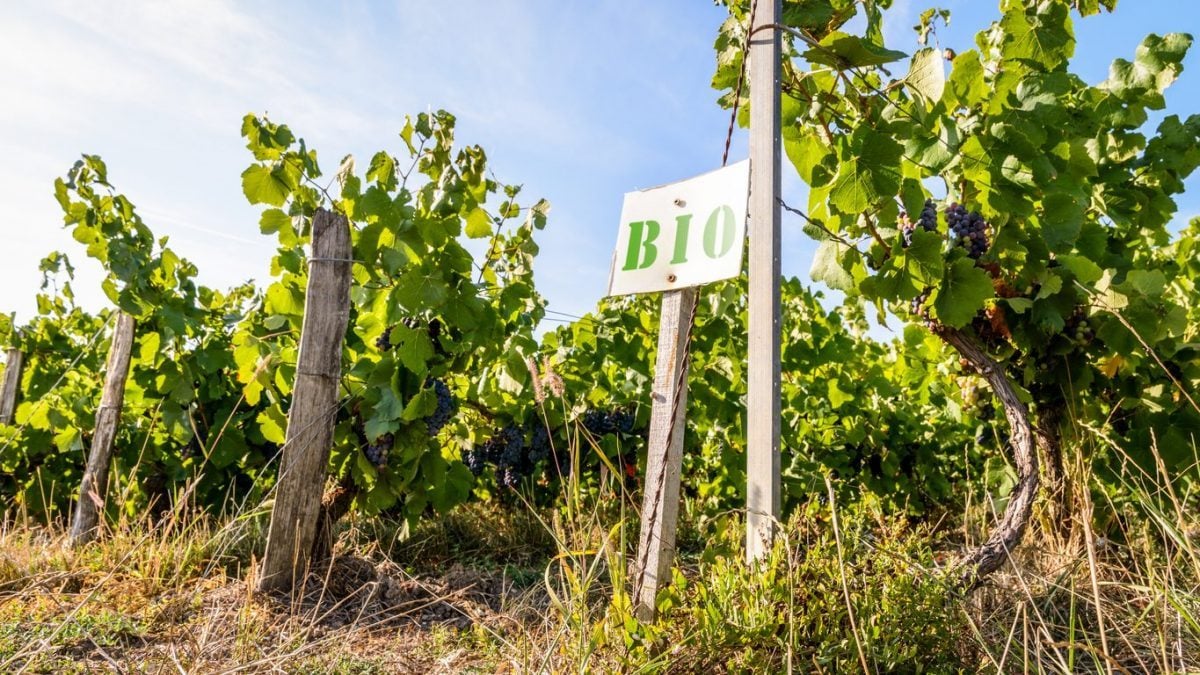
If simply uncorking a bottle were enough to make us experts, we'd all be sommeliers and even agronomists. Yet, in the diverse world of wine, simply mentioning words like biodynamic, organic, natural, or vegan is enough to spark existential doubts and heated discussions at the wine bar.
Regardless of the real reasons that have led to the rise of certain production methods in recent years (is it driven by a genuine interest in sustainability, or by the innate human desire to ride fads and trends to increase profits?), it's necessary to clarify. Some use these terms interchangeably, while others get lost in certifications, lunar phases, and indigenous yeasts, risking a migraine before even taking their first sip.
First of all: organic, biodynamic, natural, and vegan are not synonymous. Instead, they have important differences: from the way the grapes are grown and then transformed into wine, to the points of sale where the bottles can be purchased.
Today we'll look at the main differences between biodynamic, organic, and natural wine with a pit stop in the world of vegan wines. Make yourself comfortable: knowing the difference between these production methods will make your toast even more informed.
Organic Wine's Regulations and Production Standards
In the United States, an organic wine must comply with the standards established by the USDA National Organic Program (NOP), which regulates how agricultural products are grown, processed, labeled, and certified. Unlike the European system, U.S. regulations distinguish between “organic wine” and “wine made with organic grapes,” with different requirements for each category.
The basic principle is the same: organic wine production aims to reduce the use of synthetic inputs and encourage more sustainable practices, both in the vineyard and during winemaking. The main requirements include:
- No synthetic pesticides or fertilizers: Grapes used for USDA Organic wine must be grown without most synthetic herbicides, insecticides, or fertilizers. Approved natural substances and organic farming practices may be used to manage pests and soil health.
- Focus on preventive vineyard practices: Organic growers rely on methods such as crop rotation, cover crops, soil management, biodiversity, and careful canopy management to reduce disease pressure naturally.
- Organic soil enrichment: Fertility must be maintained through approved organic inputs, such as compost, plant-based materials, and other permitted natural amendments.
- Restrictions in the winery: Organic winemaking limits the use of certain additives and processing aids. The most important distinction is that USDA Organic wine cannot contain added sulfites (although naturally occurring sulfites produced during fermentation are allowed).
- Sulfite regulations: Wines labeled “Made with Organic Grapes” may contain added sulfites, but they must remain below the USDA limit of 100 parts per million.
Today, organic wine is no longer a niche category in the U.S. market. Certified organic bottles can be found in supermarkets, restaurants, wine shops, and online retailers, as American consumers increasingly look for products connected to sustainable farming and transparent production methods.
Biodynamic Wine's Characteristics
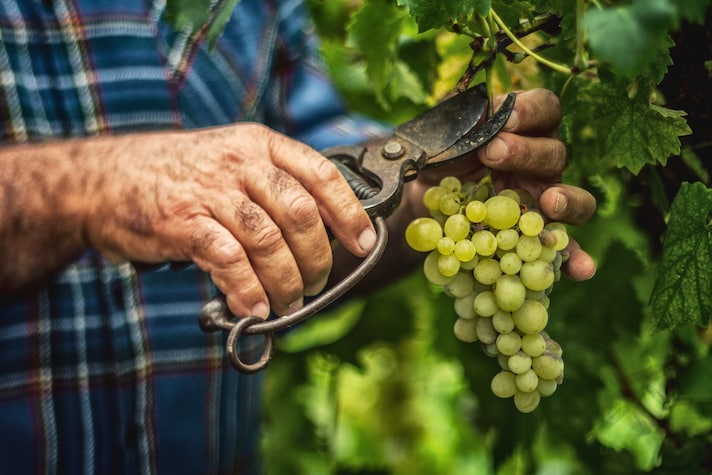
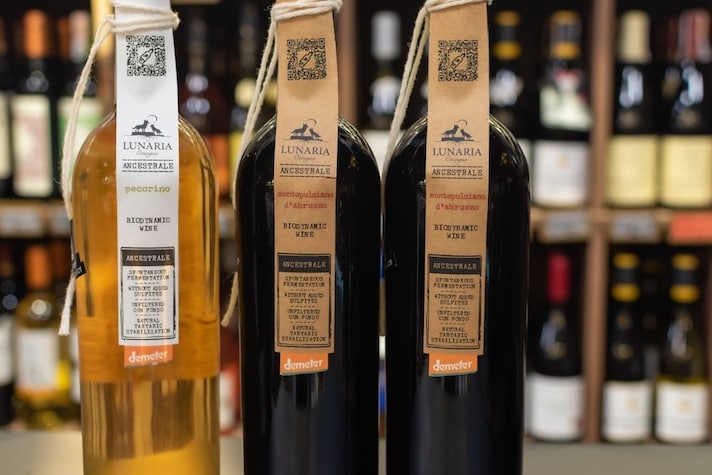
The situation is quite different for biodynamic wine: it's not just a simple production methodology, but a holistic vision of agriculture, where soil, plants, and the environment are considered a single living organism. Here too, various certification bodies exist: a biodynamic wine must comply with very specific dictates and standards in order to include the term "biodynamic" and the corresponding logo on the back label:
- Use biodynamic preparations: specific natural preparations (e.g., horn manure, horn silica, herbal teas) are diluted and dynamized (rhythmic agitation in water). The ultimate goal is to stimulate the vitality of the soil and plants.
- Follow the lunar and planetary calendar: the main operations in the vineyard (pruning, treatments, harvesting) are carried out on specific dates, based on the lunar phases and planetary movements.
- Pay close attention to soil fertility: all practices aim to maintain and increase microbial vitality, biodiversity, and organic matter.
- Minimize the use of sulfites and intervention in the cellar: biodynamic producers often choose natural winemaking.
Austrian philosopher Rudolf Steiner is considered the father of this production philosophy. Although not scientifically proven, biodynamics has many followers around the world, including some of the biggest names: just think of Domaine de la Romanée-Conti, which produces some of the most expensive and coveted wines on the planet.
Although this production philosophy is probably less widespread than organic certification, biodynamic wines can be found in specialized wine shops and restaurants that pride themselves on offering only “natural” products.
I know what you're wondering: didn't we just say these terms aren't interchangeable? We'll get to that in a moment.
Natural Wine, an Umbrella Term
You may have heard that a biodynamic wine is also "natural." But why? Because the word "natural," from a legal standpoint, doesn't mean anything specific. In fact, in this case, there are no official regulations or pre-established rules that establish exactly what it means to produce a natural wine.
Consequently, there isn't even a certification body that can legally recognize a winery as a natural wine producer. Natural wine is generally the result of practices more or less shared by the winemakers who have proclaimed themselves part of this circle:
- Minimal interventions in the vineyard and in the cellar.
- Use of indigenous yeasts: commercial yeasts are avoided, in favor of those found naturally in the vineyard.
- Spontaneous fermentations.
- Lack of clarification and filtration: in fact, natural wines often have sediment at the bottom of the bottle.
We specify that, since there is no reference specification, these techniques are the most widespread, but they are not binding: a producer could choose to adopt one, two, or none.
Natural wines are mostly found in specialized wine shops. They're rarer in supermarkets or restaurants, unless the establishment specifically specializes in this type of product.
Vegan Wine's Certifications
What about vegan wines? You might be wondering: what do animals have to do with wine production? Actually, much more than you might think.
Quite counterintuitively, both in the vineyard and in the cellar, animal products can be used. Some examples? In the cellar, during the clarification phase, the following are often used:
- egg albumin: a protein from egg;
- casein: which is derived from milk;
- gelatin: obtained from animal bones or cartilage;
- isinglass: obtained from the swim bladders of fish
Alternatively, a producer who wants to create a vegan wine could use:
- bentonite (natural clay);
- vegetable proteins (pea, potato, wheat);
- charcoal;
- colloidal silica.
And in the vineyard? Many vegan winemakers prefer not to use animal fertilizers, such as manure or horn, favoring plant-based fertilizers. In this case, as with organic and biodynamic methods, there are specific certifications (e.g., VeganOK, V-Label) that certify the absence of animal products and monitor the production process.
A vegan wine can therefore come from vineyards cultivated traditionally, organically, or biodynamically, as long as the wine does not come into contact with animal products in the cellar. These wines are rare to find: not because they don't exist, but because few producers invest in certification. They are easily available in Northern Europe—where attention to this type of diet is more widespread—such as, for example, in Scandinavia.
;Resize,width=767;)
