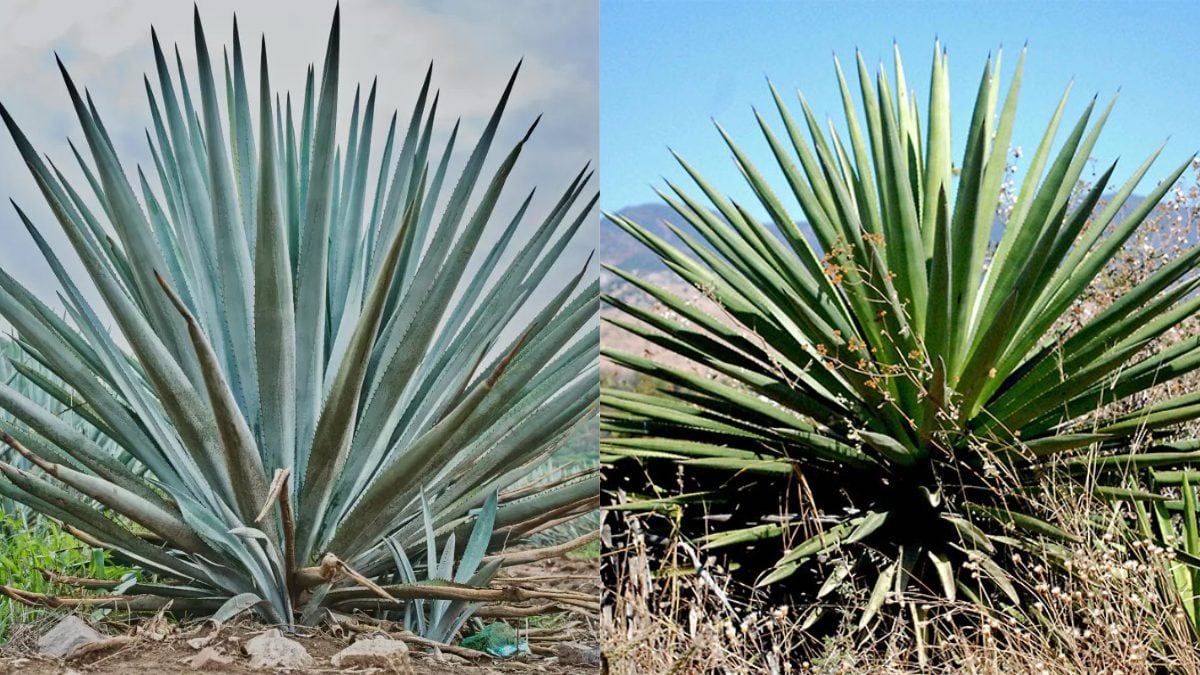
If you’ve ever stared blankly at a bar menu trying to figure out why your margarita costs three dollars more if you swap in mezcal, you are not alone.
To the untrained palate, they both come from Mexico, they both belong in a shot glass (or a cocktail), and they both pair beautifully with a lime wedge. But while they might seem like agave-born twins, they are actually more like cousins with completely different personalities. Here is the ultimate, no-nonsense breakdown of the difference between tequila and mezcal.
The Golden Rule of Agave
Before we dive into the nitty-gritty, there is one rule you need to memorize to instantly sound like a spirits expert at your next dinner party: All tequila is mezcal, but not all mezcal is tequila. Think of "mezcal" as the broad umbrella category for any spirit distilled from the agave plant—similar to how "whiskey" is the main category for Bourbon and Scotch. Tequila is just a highly specific, strictly regulated type of mezcal.
4 Major Differences You Need to Know
To understand why they taste so different, we have to look at the agave used, where it’s grown, and how it’s cooked.
1. The Agave Variety
- Tequila: By Mexican law, tequila can only be made from one specific type of agave: Weber Blue Agave (Agave tequilana). If any other agave sneaks in, it’s not tequila.
- Mezcal: Mezcal can be made from more than 30 different types of agave. While Espadín is the most common variety you'll find on shelves, producers can use wild, rare agaves to create incredibly distinct flavors.
2. The Region
Just like Champagne has to come from France, these spirits have strict geographical boundaries (known as an Appellation of Origin).
- Tequila: Mostly produced in the state of Jalisco, though a few neighboring states are legally allowed to make it too.
- Mezcal: Can be made in nine different Mexican states, but the undisputed heart and soul of mezcal production is Oaxaca, which yields upwards of 85% of the world's supply.
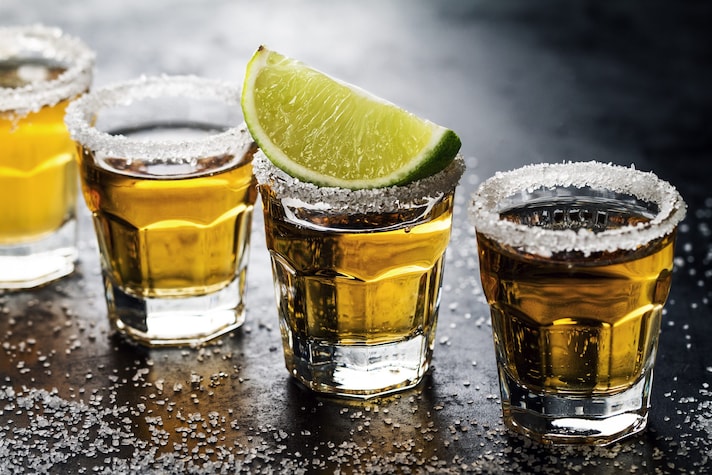
3. The Production Process (Where the Magic Happens)
This is where the flavor profiles split down the middle. It all comes down to how the piña (the heart of the agave plant) is cooked.
- Tequila: The piñas are typically steamed in large above-ground industrial ovens or autoclaves. This keeps the flavor clean, sweet, and bright.
- Mezcal: The piñas are roasted inside deep, underground pits lined with hot rocks, charcoal, and wood. They are covered with earth and left to bake for days, which naturally infuses the plant with intense, earthy elements.
4. The Flavor Profile
- Tequila: Tends to taste smooth, sweet, and sharp, often with notes of citrus, pepper, and bright agave.
- Mezcal: Famous for its distinct smoky flavor. Depending on the agave used, it can also taste earthy, floral, or even slightly medicinal.
Side-by-Side Comparison
When you look at these two spirits side-by-side, the contrast becomes incredibly clear. Tequila keeps things exclusive and streamlined, using only blue agave grown mostly in Jalisco, which is steamed above-ground to create a sweet, crisp, and citrusy spirit. Mezcal, on the other hand, embraces wild variety, utilizing over 30 different types of agave (predominantly Espadín) grown largely in Oaxaca. Because those agave hearts are roasted in underground pits rather than steamed, the resulting spirit swaps tequila's sharp clarity for a complex, smoky, and beautifully floral profile.
Which One Should You Drink?
If you love a clean, crisp cocktail where the citrus shines (like a classic Margarita or a Paloma), stick with a good Tequila Blanco or Reposado.
If you want to add depth, complexity, and a campfire-esque aroma to your drink, swap the tequila out for Mezcal. It makes for a phenomenal twist on a Negroni or an Old Fashioned.
;Resize,width=767;)
