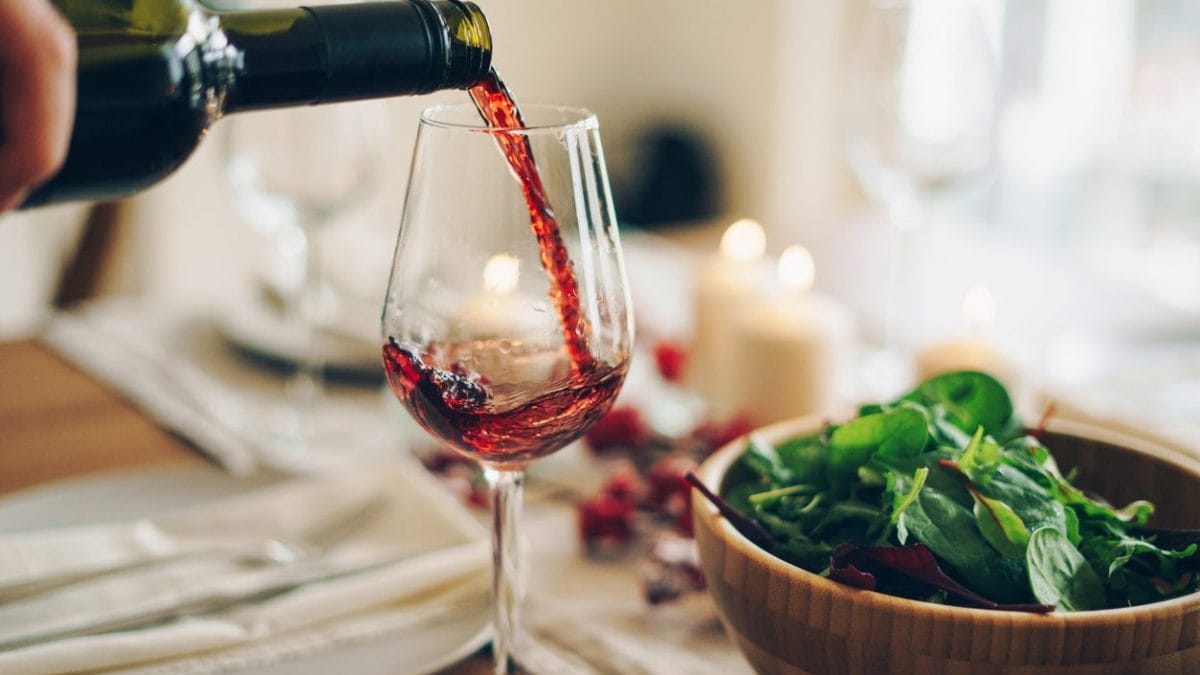
When you're faced with a steak or a salmon fillet, the path to choosing the right bottle seems almost automatic. The fattiness of the fish calls for acidity, while the succulence and protein structure of red meat require the drying texture of tannin. In the plant kingdom, these certainties collapse miserably: vegetables bring extreme and often sharp flavor components to the plate. You find yourself dealing with very marked sweet tendencies, persistent hints of bitterness, natural acidity, earthy flavors, and even nuances of umami.
What affects the balance of the glass isn't so much the vegetable itself, but rather the cooking technique and seasonings chosen. A simple raw zucchini requires a very different approach to pairing than the same zucchini grilled, marinated, or fried. The spices, added fats, and the length of time it's exposed to heat can dramatically alter the dish's profile. Further raising the bar are specific molecules present in many vegetables, rich in bitter or sulfurous substances capable of short-circuiting with alcohol and tannin, leaving a decidedly unpleasant metallic sensation on the palate.
Today we'll see together which bottles to uncork to accompany raw vegetables, which wines stand up to the comparison with richer preparations, how to tame unruly vegetables and which slips to avoid to fully enjoy your plant-based table.
The Ideal Wines for Raw Vegetables and Light Preparations
When the vegetable is served in its most naked and crispy form, freshness is the true protagonist of the dish.
The common thread for mixed salads, vegetable carpaccio, crudités, and the classic dip should be flavorful tension. You need white or rosé wines that flow easily on the palate, with a clear aromatic profile and a moderate alcohol content. A glass that's too structured or alcoholic would overpower the delicate flavors of the vegetables. The goal is to complement the vegetable's natural crunch with equal vivacity in the glass. Young, fresh whites work perfectly: think of a California Albariño, a Sauvignon Blanc interpreted without excessive ripeness, a sharp Oregon Pinot Gris vinified in a vertical style, or an Unoaked Chardonnay, capable of delivering savory and lively sips.
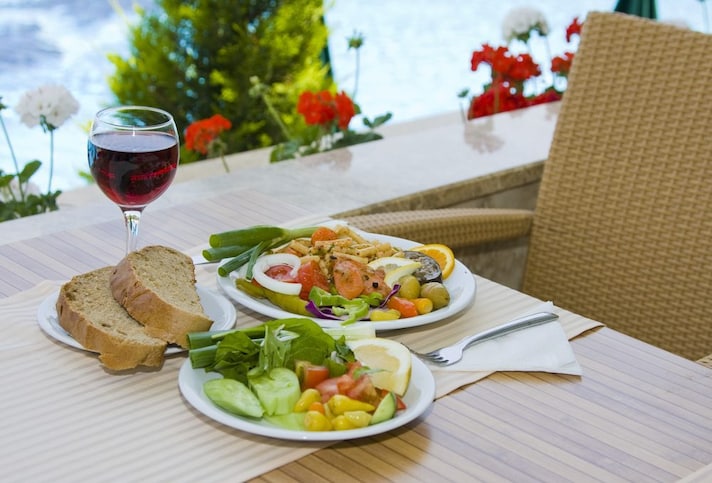
Even dry, pale-colored rosés find fertile ground here. A dry rosé from Sonoma Coast or a Pinot Noir rosé from Oregon are excellent choices, especially when your salad is enriched with fresh tomatoes, olives, or aromatic herbs that add subtle spicy touches. Always pay close attention to the dressing: if you decide to dress the vegetables with plenty of lemon juice or vinegar, the dish will acquire a notable acidic punch. In this scenario, the wine should have an acidity equal to or greater than that of the dish. If you pair a soft white with a salad dressed with a bold vinaigrette, the wine will suddenly seem flat, cloying, and lacking in strength.
Which Wines to Choose for Grilled, Baked or More Structured Vegetables
The action of heat transforms the pairing needs, requiring wines capable of sustaining much deeper softness and aromatic intensity.
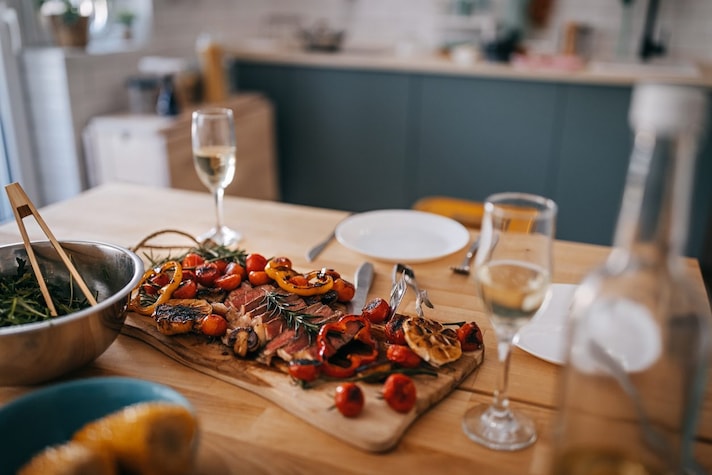
Baking or grilling radically alters the vegetable's structure: water evaporates, natural sugars concentrate, and toasting reactions are triggered, often adding intriguing smoky notes. Faced with this richness, the light, essential white wines we used to use for raw vegetables disappear from our horizon. In this situation, you need wines with greater breadth, body, and aromatic complexity: green light is given to medium-bodied white wines, perhaps enriched by a period of aging on the lees or a balanced stint in wood. A balanced, low-alcohol Unoaked Chardonnay from Oregon, a well-structured California Albariño, a Oregon Pinot Gris, a Virginia Viognier, or a Dry Chenin Blanc from California have the meat and substance needed to compete with these preparations.
When vegetables emerge from the oven accompanied by legumes, grains, or melted cheeses, the boundaries expand further. Structured rosés, such as those made with Washington State Merlot or California Petite Sirah, become precious table companions. This is also the time to make room for red wines, provided they are chosen wisely. A ratatouille rich in Provençal herbs, a sweet and sour caponata, or a pan of mixed vegetables bathed in excellent extra virgin olive oil and tomato sauce call out for juicy, dynamic reds with barely there tannins. A California Barbera, a Oregon Pinot Noir, a California Valdiguié, or an Gamay from Oregon, served a couple of degrees below their usual serving temperature, will interact with the sweetness of the cooking without ever attacking the palate or overpowering the flavors of the ingredients.
The Most Difficult Pairings
Let's now tackle the real bêtes noires of sommeliers, those vegetables that contain chemical compounds capable of literally destroying the flavor of an excellent wine.
The Cynarin Knot in Artichokes
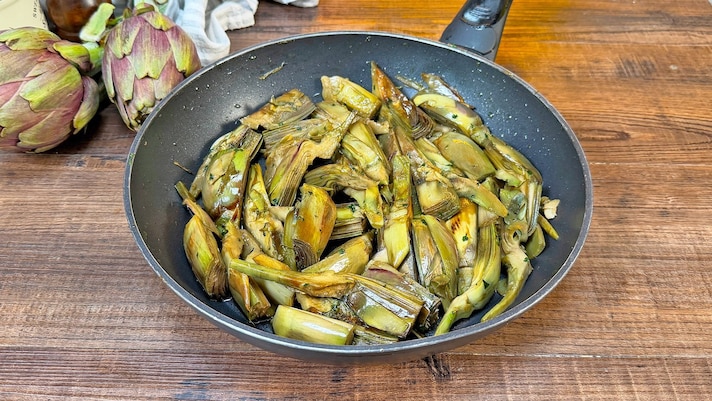
Artichokes have a terrible reputation among food pairing enthusiasts, and cynarin is to blame. This substance has the peculiarity of temporarily altering the sweet taste receptors on our tongue. The result is that the wine tasted immediately after a bite of artichoke will take on a metallic, artificially sweet and bitter flavor, losing all its fruity notes. If you serve a raw artichoke dip, the wisest move is to resign yourself to a limited wine consumption, or seek out extreme combinations. You'll need neutral, sharp white wines, free of any softness or residual sugar, served very cold and drunk in small sips to cleanse the palate without seeking complex dialogues.
Sulfur Compounds in Asparagus
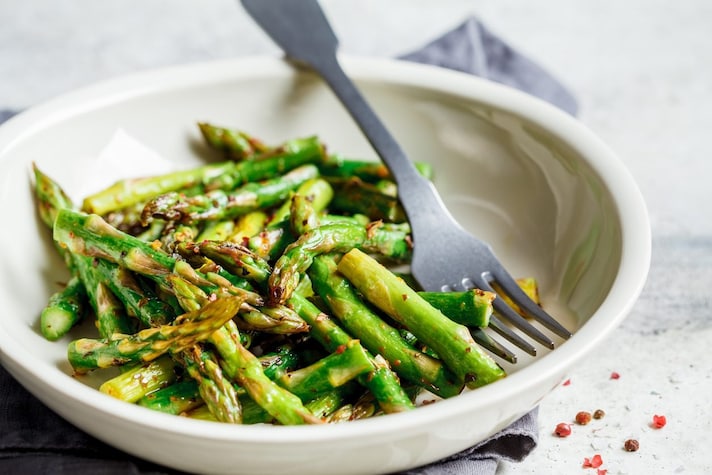
Asparagus, especially the green and wild varieties with their more pungent flavors, is vulnerable to sulfur compounds. These molecules tend to ungracefully accentuate the vegetal notes present in some wines. Pairing a tannic red or a wood-aged white with asparagus risotto is doomed to disharmonious and cloying sensations. The solution lies in aromatically similar or markedly savory grape varieties: a Sauvignon Blanc from Napa Valley with clear green notes, an Albariño from California or Oregon, a lively Dry Riesling from New York's Finger Lakes, or a mountain Oregon Pinot Blanc will perfectly complement the vegetable. You could also opt for a Brut Metodo Classico sparkling wine, whose effervescence works like a blade to cleanse the taste buds.
The Pitfalls of Cruciferous Vegetables and Spicy Notes
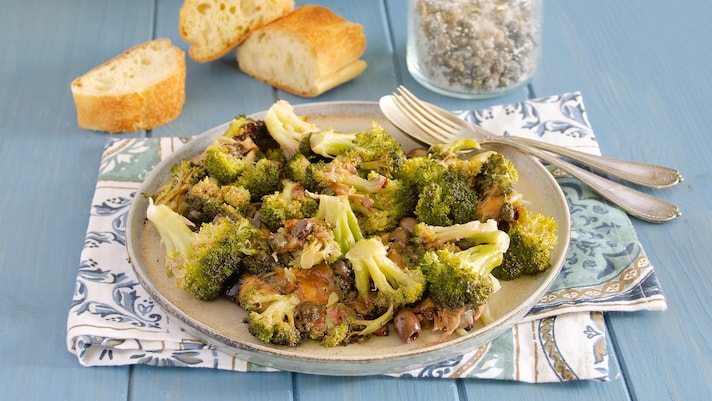
Arugula, radicchio, broccoli, cabbage, and Savoy cabbage make up another thorny chapter. In this specific case, bitter, sulfurous, and spicy sensations dominate. The tannins of the red wine and the wood of the barrels are the sworn enemies of these vegetables. The combination of the bitterness of the dish and the astringency of the wine creates a short circuit that dries out the mouth and nullifies the pleasure of drinking. Store the great aging reds in the cellar and opt for dry whites, driven by a strong saline and acidic kick. However, if the dish features a fresh tomato base or a sauce with strong natural acidity, a white might give way in favor of a lean, subtle red, with moderate alcohol and imperceptible tannins, capable of supporting the acidity of the tomato without clashing with the vegetables.
Common Matching Mistakes and How to Avoid Them
The most insidious psychological trap is to automatically classify every vegetable-based dish as "light." Starting from this assumption, we end up uncorking flimsy, neutral, and flavorless bottles, forgetting to analyze the true consistency of the recipe. A vegetable may initially be low in calories, but if it's fried, baked, mixed with eggs, or enriched with aged cheeses, it transforms into a dish with great structure, demanding an equally rich and powerful glass.
A second common mistake is the obstinacy of pairing great red wines with grilled or bitter-based vegetables. It's often believed that the alcoholic and extractive power of a great wine can compensate for the aromatic intensity of a vegetable seared over a flame. The physiology of taste teaches us the exact opposite: the bitterness of the food and the tannins of the wine combine to create a harsh, punishing sensation that erases every trace of fruit from the glass. Care must also be taken when using wines made from aromatic grape varieties: uncorking a very intense Gewürztraminer or Malvasia on salads rich in aromatic herbs and spices creates a veritable olfactory brawl, leaving the palate with a cloying and inappropriate sweetness.
To master these combinations, you just need to always evaluate three fundamental guidelines.
- First of all, evaluate the true flavor strength of the dish as a whole.
- Secondly, identify whether the sweet sensations of cooking or the bitter ones of raw vegetables dominate.
- Finally, weigh the presence of acidity provided by tomatoes or citrus fruits, and any smoky notes.
By applying this plan, you will be able to tackle vegetarian menus with the same precision you would with large meat or fish dishes, transforming vegetables, also thanks to the pairing with wine, into the true stars of your table.
;Resize,width=767;)
