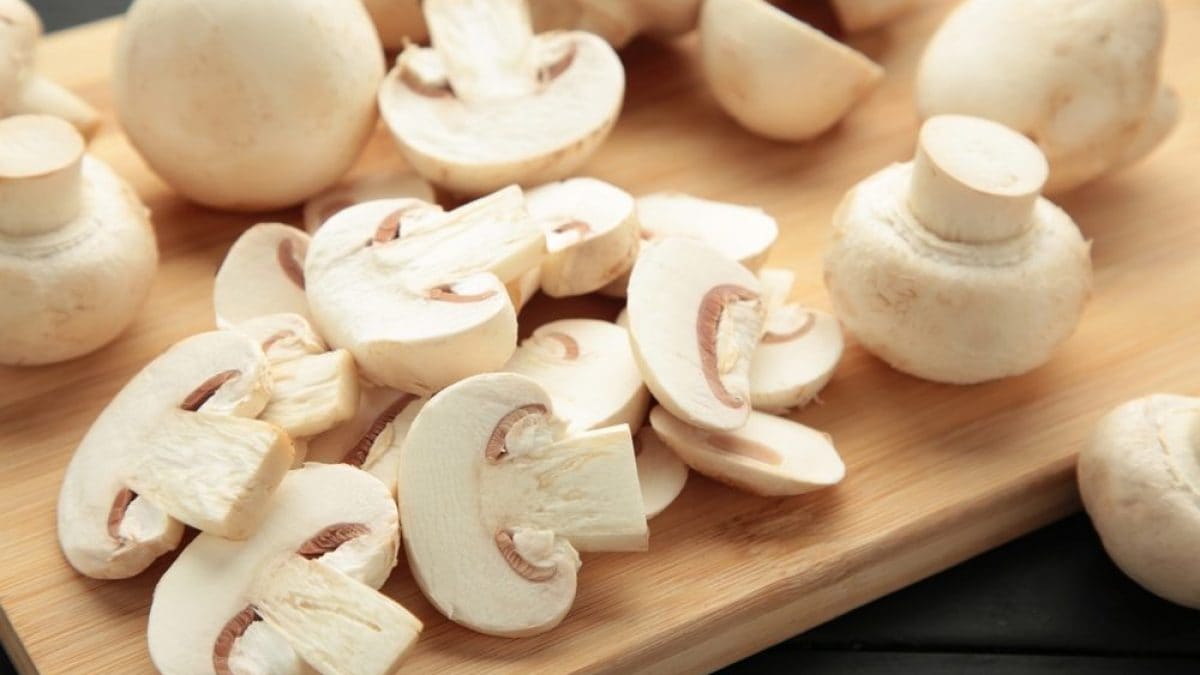
Mushrooms are a must-have autumn treat on the table during these months, and of all the edible mushrooms available, button mushrooms are one of the most popular and appreciated. This is because they have a delicate flavor, are easy to find, and are affordable (they are, in fact, the cultivated version of wild mushrooms), as well as being extremely versatile in the kitchen.
But button mushrooms, more than any other mushroom variety, have a small problem: they quickly develop a deterioration process that causes them to turn black, especially after they've already been cut. We'll explain why this happens and how to avoid the problem, so you can keep your buttons in perfect condition and eat them safely.
Why Do Button Mushrooms Turn Black?
What causes button mushrooms to turn black quickly is exactly the same process that causes a cut apple to turn brown: it is an oxidation phenomenon that starts when the mushroom is damaged or sliced.
At that point, the cells release an enzyme called polyphenol oxidase, which reacts with oxygen in the air and creates dark pigments called melanins. The problem with oxidation is that it not only alters the appearance of mushrooms, but can also affect their texture and flavor.
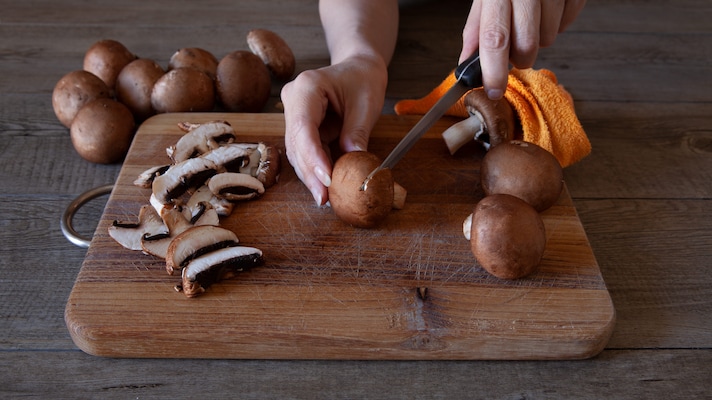
Another factor that can cause button mushrooms to turn black is humidity, the number one enemy of their preservation: mushrooms are composed mainly of water and therefore, if you don't learn to preserve them correctly, they will absorb humidity from the environment, further loading themselves with water and thus encouraging the growth of bacteria and mold that accelerate decomposition, leading to the blackening of the product.
How to Avoid Blackening
Preventing button mushrooms from turning brown isn't difficult; you just need to take a few precautions to prevent the problem. First, store them in a cool, dry place because, as mentioned, moisture is their main enemy. The refrigerator is also fine (if you need to eat them quickly), stored in a paper or cloth bag.
Also remember that washing mushrooms under running water is strongly discouraged (except in very rare cases) because they would absorb too much water, which would cause them to quickly blacken, as we've already mentioned. If the button mushrooms are very dirty, it's best to dampen a cloth and use it to remove the dirt.
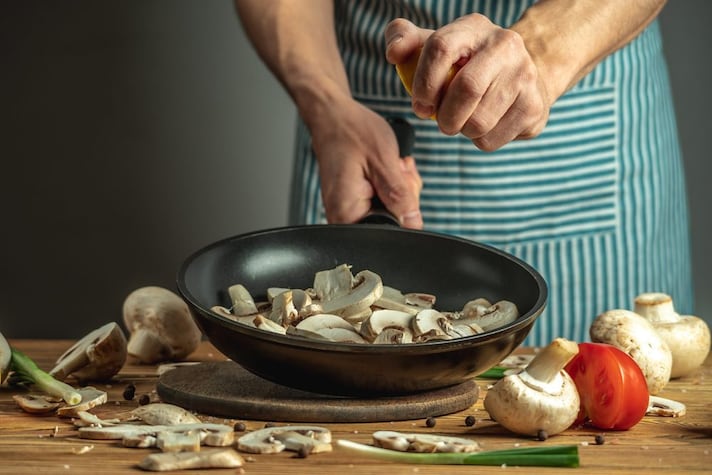
If you've already cut the mushrooms but need to slow down the oxidation, here's a very useful trick: sprinkle the button mushrooms with a small amount of lemon juice, a technique also used to prevent the oxidation of fruits and vegetables. The acidity of the lemon slows the oxidation process, so the mushrooms will brown much more slowly.