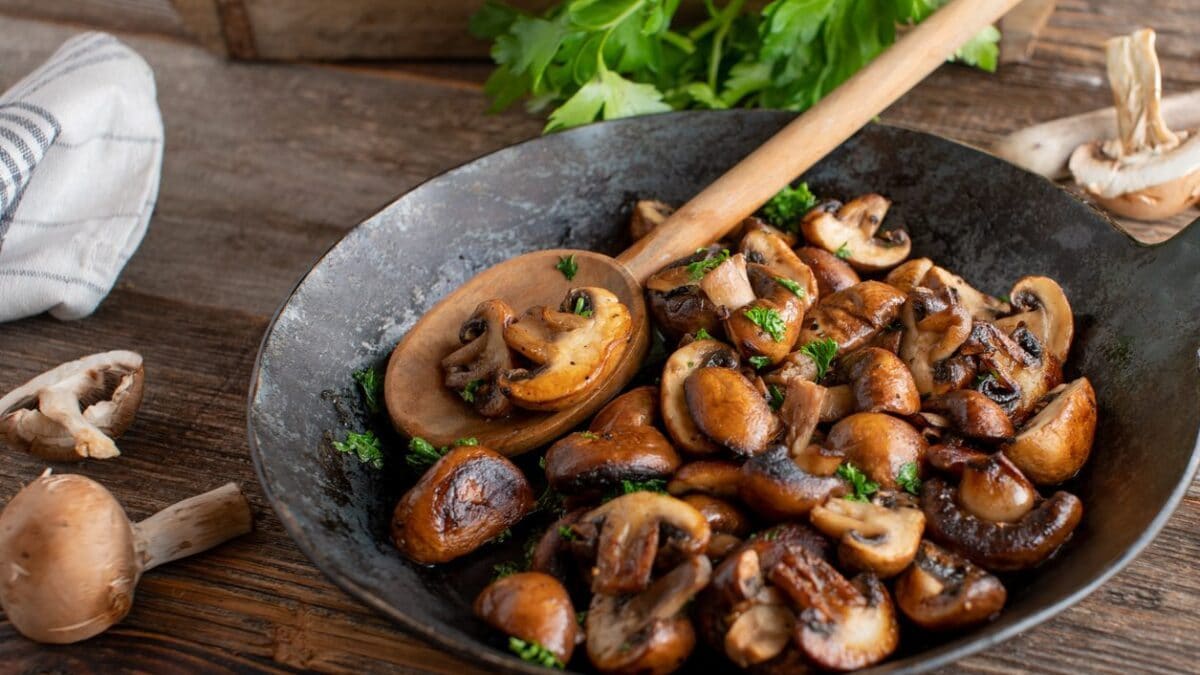
Mushrooms are among the most beloved ingredients in the kitchen: they are especially popular in autumn, when the classic Boletus edulis arrives, the king of the woods porcini mushrooms used in countless recipes, but they can be found year-round depending on the species, including cardoncelli, honey, chanterelles, caesar's, and, of course, button mushrooms, which are the most popular cultivated mushrooms. It's also worth remembering that to preserve fresh mushrooms, they can also be frozen: in both cases, when cooked, especially when sautéed in a pan, excessive water can be observed, which dulls the golden brown and crispiness, resulting in a mushy dish, as if it had been boiled. How can you avoid this unpleasant consequence that can compromise a quality product? We'll explain below.
Why Do Mushrooms Release So Much Water When Cooked?
Let's immediately answer the question that arises when you suddenly see mushrooms "drowning" in the pan, perhaps when we need to prepare them as a side dish, a pasta sauce, or a filling for savory pies, lasagna, and omelettes. The primary reason lies in their composition: mushrooms contain on average between 85% and 95% water, and for this very reason they are considered a delicate and easily perishable food. In itself, this water is not an enemy; in fact, to add flavor, they are often cooked using their own liquid. The problem arises when this water, which the heat releases, loosening the internal tissues—which is why the mushrooms lose volume and shrink— is unable to evaporate, consequently remaining in the pan and causing the food to have an effect similar to that of boiling. The mushrooms, instead of being tender and firm, become too soft and unpleasant to the palate.
How to Cure Mushrooms Before Cooking Them
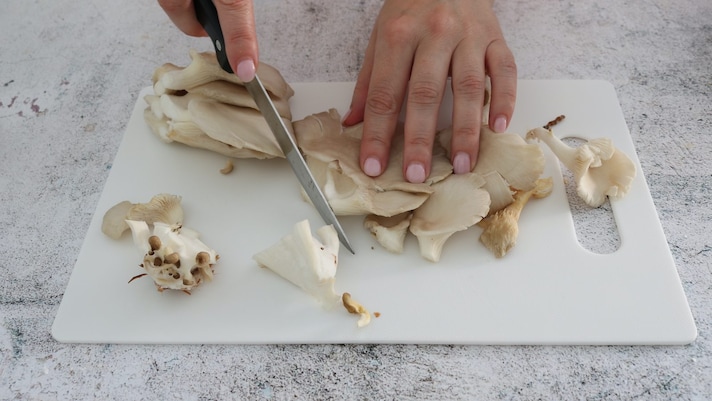
A good rule of thumb to avoid this effect is to be careful about excess water during pre-cooking cleaning. Mushrooms are already mostly watery and, depending on the variety and how long they're exposed, they may retain more during cleaning. For this reason, the most common advice is to never soak them or hold them under running water while removing soil and debris. Instead, use a soft-bristled brush (so as not to damage the fruiting body) and finish with a slightly damp cloth. If necessary, rinse with cold water, briefly, then pat dry thoroughly with a kitchen towel. Mushrooms stored in the freezer can release even more liquid: during freezing, ice crystals form, which can damage the structure of the tissues and, upon thawing, encourage the release of any water already present, resulting in a loss of firmness.
How to Cook Them so They Don't "Boil"
After following the preliminary steps, it's time to cook the mushrooms in the pan. To achieve the right balance of water evaporation, make sure the pan is already hot when you add the mushrooms and that the flame is high: you'll immediately notice the water escaping. Lower the heat only when there's very little left: this way, you'll prevent the mushrooms from either remaining immersed in their own liquid or, conversely, from drying out. To be tasty, sautéed mushrooms should be golden brown, creating a very thin crust on the surface, while remaining soft inside. Another tip is to not overfill the pan, as the expelled water will be abundant and won't have enough space to evaporate.
When to Add Seasonings
If you're concerned that the mushrooms might release a lot of moisture, instead of the traditional sauté in extra virgin olive oil or butter, you can opt for a dry sauté, setting the heat to medium-high. Only then, once the moisture has evaporated, add your preferred fat and stir. As for salt, you can add it immediately after the seasonings and finish cooking: adding salt towards the end helps ensure the mushrooms are golden brown, preventing moisture from hindering the browning process.
Some More Mistakes to Avoid
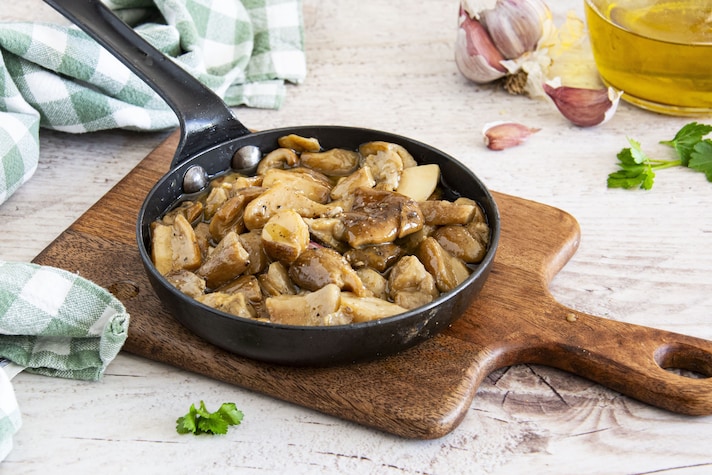
At this point, it's clear that to avoid watery mushrooms, but rather golden, tender, and tasty ones, it helps to perform a few simple combined actions during cleaning and cooking. Let's look at some mistakes to avoid.
- Do not overwater the mushrooms while cleaning them; soaking is absolutely forbidden.
- Don't dab mushrooms: thawed mushrooms and those that you've had to rinse under running water to remove any dirt residue must be dried thoroughly.
- Using a pan that is too small or filling it too much won't allow the water to evaporate: the mushrooms should all touch the bottom or overlap slightly.
- Placing mushrooms in the pan when it is cold or lukewarm makes it more difficult to brown, so it is best to wait until it is very hot.
- Leaving the mushrooms unseasoned for too long: once the water has evaporated, you need to add the oil or butter and adjust the heat, otherwise the dish will dry out and may burn.
- Salt immediately: add salt halfway through cooking or towards the end.

