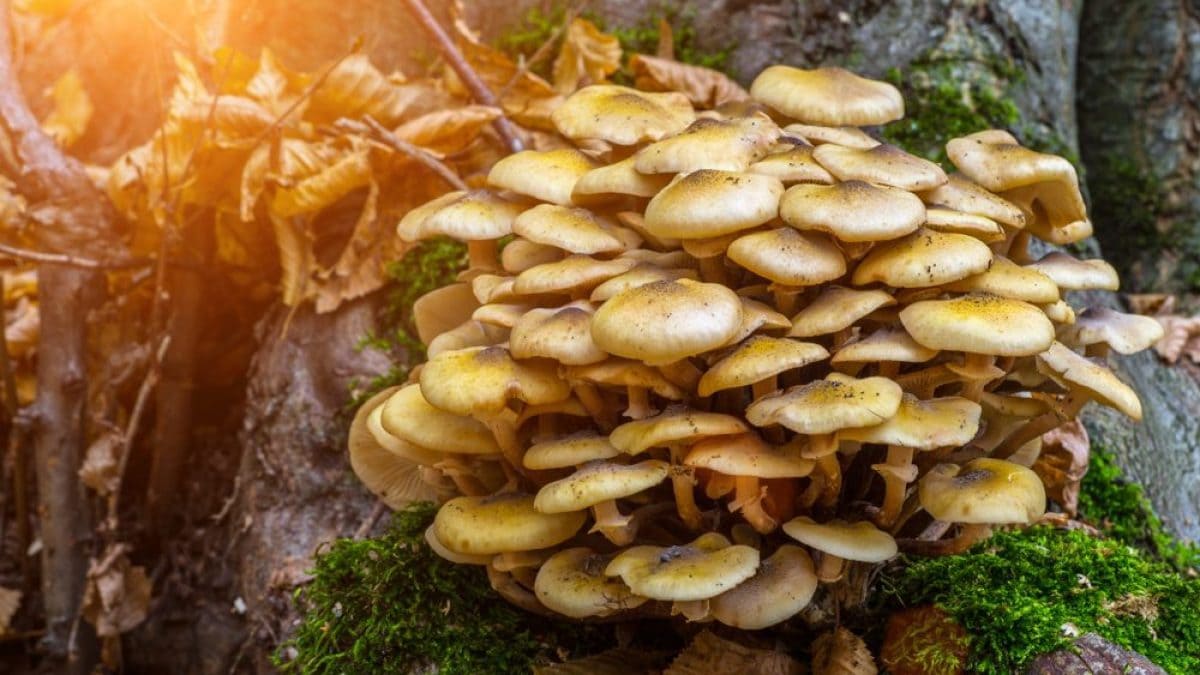
Honey mushrooms, scientifically known as Armillaria mellea, are one of the most popular mushroom varieties, both among avid foragers and among those browsing the produce aisle in autumn for seasonal produce. This type of mushroom grows spontaneously, especially in deciduous forests (oak, poplar, chestnut), as it feeds on wood, forming large groups that concentrate at the base of tree trunks or on the stumps of fallen or felled trees. In the kitchen, these mushrooms, which resemble a common metal object in shape, are prized for their sweetish flavor, with a slightly bitter aftertaste, and for their versatility, as, like most edible mushrooms, they can enrich risottos, pasta dishes, and become an easy side dish. What's important to know before putting them on your plate is that they cannot be eaten raw or undercooked, but must be boiled to eliminate a toxic substance that is inactivated by high temperatures. Furthermore, for those who go in search of them, it is useful to know how to distinguish them from deceptive, even poisonous, varieties.
How to Recognize Honey Mushrooms
Honey mushrooms are easily identifiable by their appearance: they have a slender, beige-pinkish stem, and a fleshy, convex cap that becomes flatter and more depressed in the center as the mushroom matures. The gills are always creamy white or yellowish, marked by gray spots. Honey mushrooms don't have just one shade, as it depends on the tree species on which they grow, so they come in shades ranging from brownish to reddish, through honey-yellow to gray. The distinguishing feature is the presence of a whitish ring at the top of the stem, which distinguishes this mushroom from the Hypholoma fasciculare, known as the "fake honey mushroom," which lacks it (in addition to having greenish gills): it looks very similar to an untrained eye, but it is toxic, causing diarrhea and severe stomach aches, even when cooked, and the pulp emits an unpleasant odor when cut.
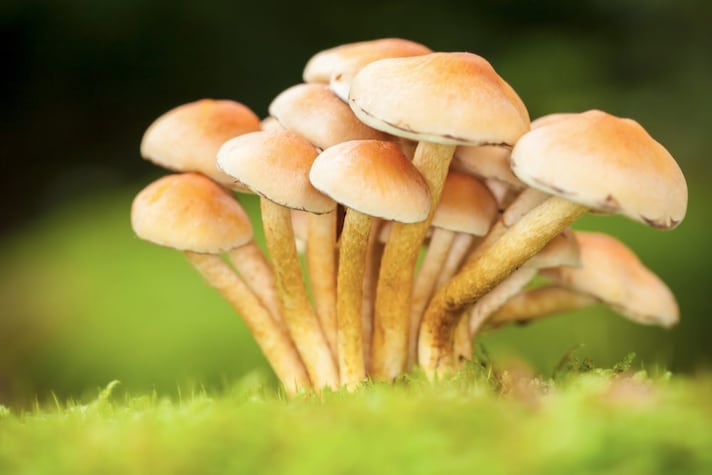
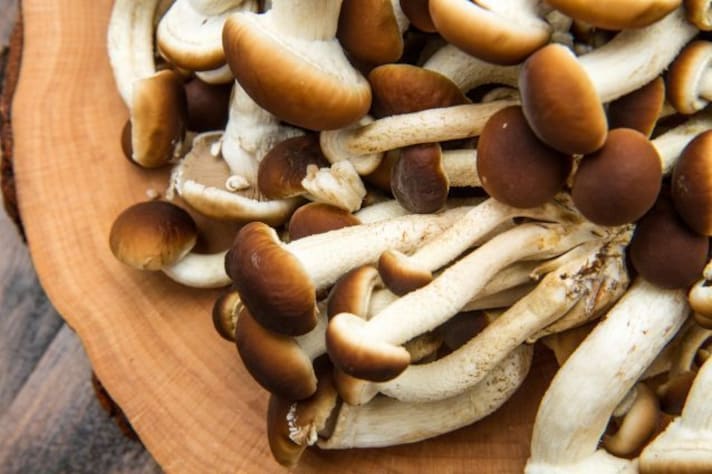
Another poisonous mushroom that can lead to a dangerous misunderstanding is the Galerina marginata, which is deadly if ingested, but fortunately is much smaller than the honey mushroom, allowing it to be passed over. Among edible mushrooms, the confusion is with the pioppini (Agrocybe aegerita): these too are eaten after cooking. The recommendation is always the same: if you're not an expert or have any doubts, take your "harvest" to the local health authority's mycological inspectorate for inspection.
How to Clean and Cook Honey Mushrooms
Once you've brought home or purchased them safely, the honey mushrooms must be cleaned. Only the young and freshest ones —firm, not mushy, and whole—are suitable for consumption. The stem is tough: you can remove it entirely; otherwise, remove the most fibrous part, which is indigestible, and the tough lower end with a sharp knife, thus separating the head at the base. Treat honey mushrooms like porcini mushrooms, cleaning them with a damp cloth or a brush to remove any soil residue; if you want to rinse them, do so under cold running water and then pat dry. Now we've reached the crucial moment, the one that, if omitted, causes unpleasant gastrointestinal distress that can lead directly to the emergency room.
These mushrooms contain a heat-labile toxin called hemolysin, which is rendered harmless only at temperatures above 160°F/70°C. Boil them in salted water for 15-20 minutes, and they'll be safe (they can reach 212°F/100°C) and even more tender. Dry them on a clean cloth, and they're ready to use. Refrigerated, they'll last up to 3 days in an airtight container. Important note: Be especially careful when harvesting, because in frost-damaged honey mushrooms, this substance attaches to the flesh and won't go away, even with cooking. This is why they can't be frozen or re-frozen raw, but only after being cooked.
How to Cook Honey Mushrooms
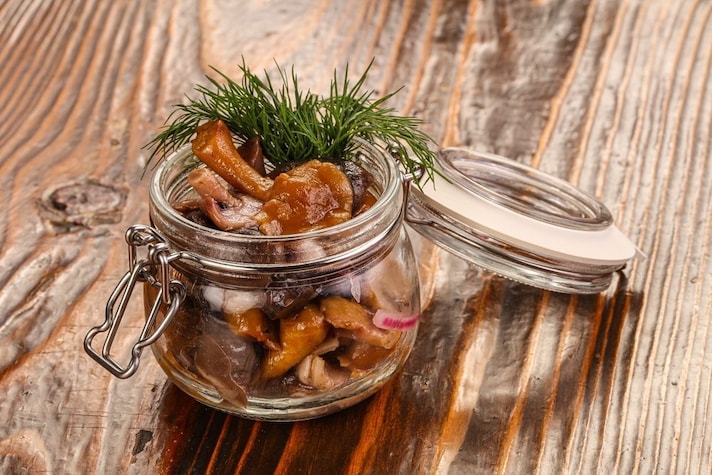
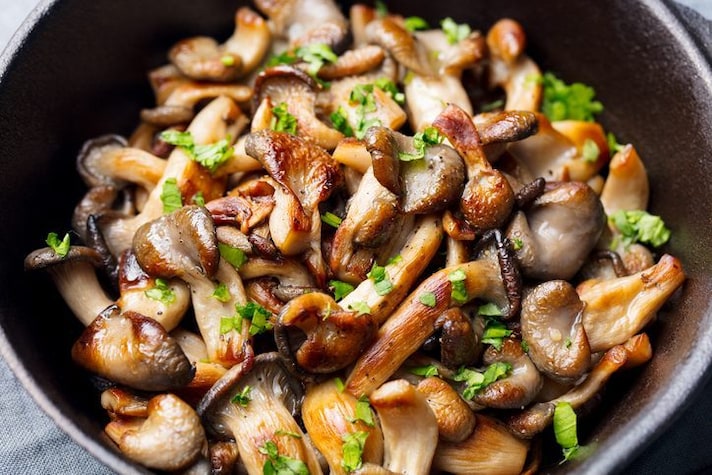
Honey mushrooms are incredibly versatile and can be used in a wide variety of recipes, including appetizers, main dishes, and side dishes. Cooked whole, they're a low-calorie food, though autumnal dishes featuring them tend to be more substantial. Sautéed mushrooms can be served with chicken breast, low-fat cheese, or legumes for a lighter option, but they also pair beautifully with soft polenta, perhaps enriched with gorgonzola . Risotto is another must-have, where they're a favorite, perhaps paired with pumpkin and robiola to create a creamy texture. Sautéed with a little garlic, oil, and parsley, they're an ideal base for croutons or grilled polenta. To preserve them for a long time, there is nothing better than putting them in oil, so as to use them as an appetizer on brunch boards or as a topping for pizza.
;Resize,width=767;)
