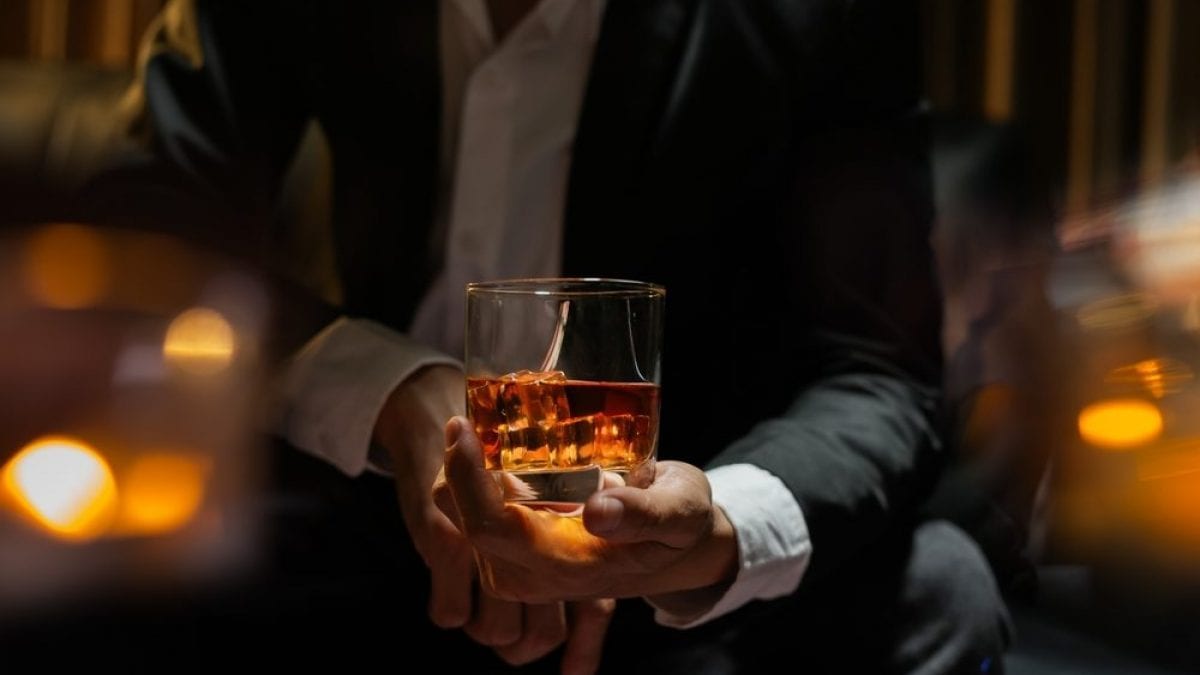
Rum is a distilled spirit made from the fermentation of sugarcane juice or molasses, followed by distillation and aging in oak barrels. Its production varies greatly from country to country, and there is no uniform international specification.
However, there are some sensory and technical clues that allow you to distinguish a fine rum from a more ordinary one. Today, we'll see how aroma, color, texture, taste, and alcohol content are the keys to orienting yourself during tasting and choosing truly worthy bottles.
Perfume
When you approach a quality rum, let yourself be seduced by a complex and layered aromatic bouquet. On the nose, sweet notes of caramel and brown sugar emerge one after the other, followed by vanilla and warm spices, culminating in fruity notes reminiscent of mango, banana, and pineapple. Citrus is also present, with hints of orange and lemon, and an elegant finish of toasted wood.
To fully appreciate this olfactory richness, don't immerse your nose in the glass: rest it on the rim and let the oxygen release the fragrances, without the alcohol overpowering them.

Color
The color of rum reveals a lot about its journey. It ranges from the crystalline color of white rums, often unaged, to the golden, amber, or brown hues of barrel-aged rums. The nuances depend on the length and type of aging, the wood used, and the degree of toasting of the barrels.
In some cases, caramel is added to even out the color, but this doesn't necessarily compromise quality. An Extra Old (XO) rum, for example, guarantees at least six years of maturation, but more important than age is the balance between aromatic intensity and the lightness of the wood.
Viscosity
Gently shake the glass and observe the drops running down the walls: these are called "tears" or "legs." A viscous rum, with thick, slow-moving drops, indicates a high concentration of aromatic and sugary components. This visual detail suggests a careful refinement and a rich organoleptic profile, which promises an intense and satisfying tasting.
Aging
Rum matures in wooden barrels, but the climate profoundly influences the outcome. In tropical countries, evaporation is higher (about 8% per year), which accelerates the maturation process, resulting in greater aromatic intensity.
In continental climates, however, evaporation is more limited (between 2% and 4% per year), and the rum develops a more rounded smoothness. Each producer seeks the right balance, aware that excessive maturation can make the spirit too woody.

The Taste
On the palate, a quality rum stands out for its balanced sweetness and complex notes: dried fruit, chocolate, coffee, cinnamon, nutmeg, and vanilla. The aftertaste is long and layered, capable of evolving over time. The structure must be harmonious, with a balance between alcohol content and aromas: a well-made rum does not heat excessively, but envelops with elegance.
Alcohol Content and Price
A premium rum is between 40% and 50% ABV: a level that supports the aromatic complexity without overpowering it. Affordably, you can find good spirits for under $30, but international-level bottles range around $55: a price that reflects the quality of the raw materials and the care taken in the maturation process.
;Resize,width=767;)
