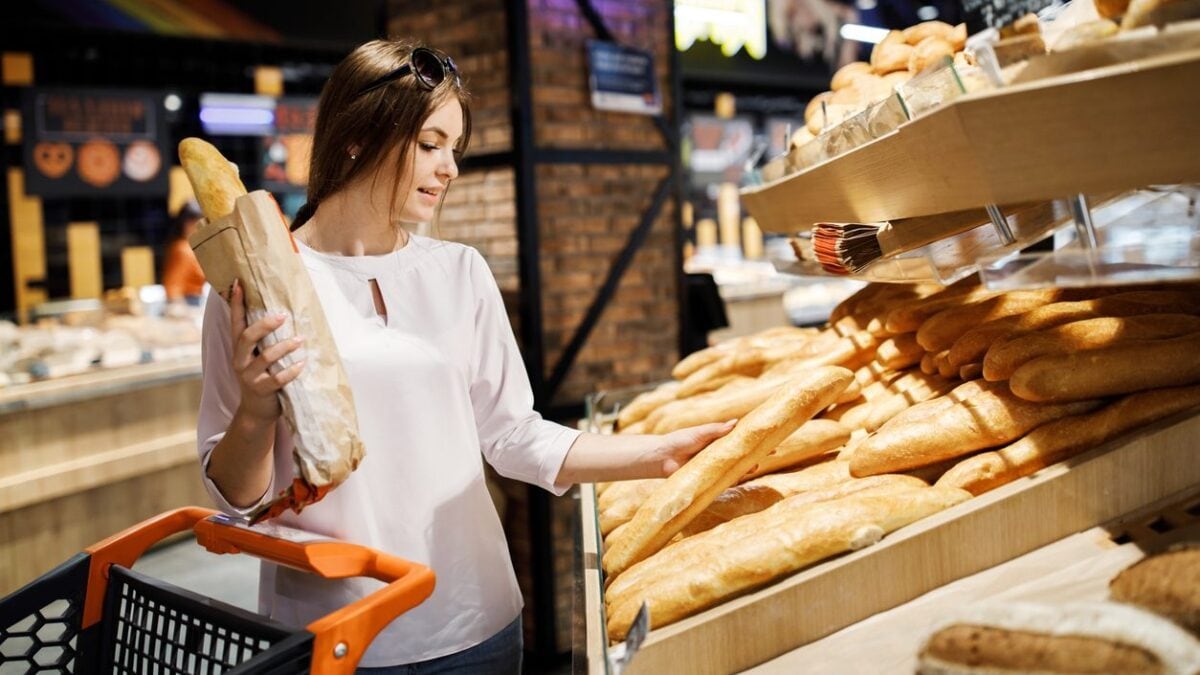
When you think of a simple and essential food, bread is probably the first that comes to mind. Thanks to religious symbolism and sayings, in the collective imagination it represents that healthy, good, inexpensive food that fills you up and should never be lacking. In reality, however, things are different. Over time, we eat less and less bread: in the United States, bread consumption is lower than in many European countries, partly because American diets include a wider variety of grain-based foods, from tortillas and rice to pasta and breakfast cereals. According to USDA food availability data, Americans consume several dozen pounds of bread and other wheat-based baked goods per person annually, although estimates vary depending on whether the figures include rolls, bagels, buns, and other bakery products. Sandwich bread remains a staple of American households, alongside regional favorites such as sourdough, cornbread, and biscuits. The reasons are among the most varied, but in the very narrow field of nutrition, the factors are mainly linked to beliefs such as that it makes you fat, that all-purpose flour is evil and that gluten is the enemy of all. In short, a non-genuine product, but one to be avoided. Furthermore, bread is no longer synonymous with a short supply chain: alongside artisanal bread, industrially produced bread has emerged, with a longer supply chain and processing and preservation techniques that distance themselves from the manual labor of the baker who gets up at night and spends hours in his workshop. And while even the latter lacks the full trust of consumers—who increasingly appreciate those who use ancient grains and sourdough starters—bread sold in large-scale retail outlets is even more difficult to deliver, despite supermarkets increasingly setting up dedicated stations complete with the smell of "fresh bread" wafting from nearby.
What Kind of Bread You Can Find at The Grocery Store
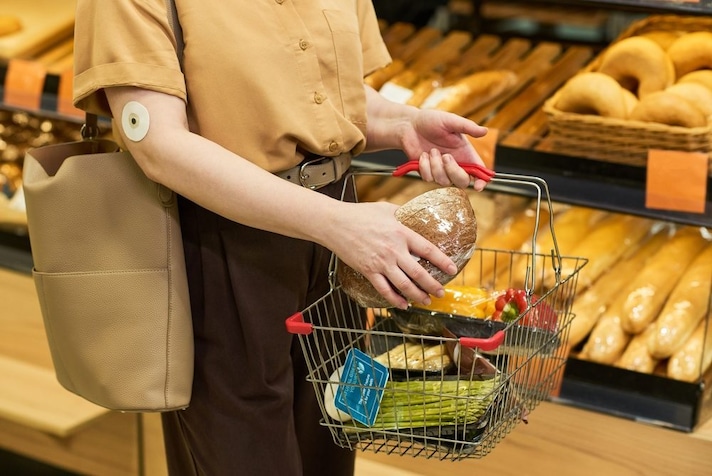
But is it really fresh bread? Before delving into the regulations —which are undergoing significant changes at the time of writing—we realize that we can buy bread in several ways in large-scale retail stores : there's the classic counter like at the baker's, self-service, and packaged loaves and rolls in varying quantities. This bread can be produced on-site, sourced from external suppliers, or made from so-called semi-finished products, partially baked and frozen. This is information that consumers need to know: for packaged bread, the label on the package is usually the reference, while for loose types, the identification tag most often indicates the need to consult the book of ingredients, which is generally quite long and cumbersome to browse and is requested infrequently.
In the United States the FDA regulates bread labeling and ingredients under the Federal Food, Drug, and Cosmetic Act and applicable food standards, while the USDA generally oversees bread only when it falls within its meat or poultry jurisdiction. American bread may be made from fresh dough, frozen dough, or par-baked products that are finished in-store, and freezing or other processing methods do not automatically prevent it from being marketed as “fresh.” However, labels and advertising must not be misleading, and ingredients such as preservatives must be declared when required. Consequently, in the U.S., “fresh bread” does not necessarily mean bread made continuously from scratch without freezing or preservatives.
A production process is considered continuous for which no time interval greater than 72 hours elapses from the start of processing until the product is put on sale”. Bread on the market that derives from semi-finished products and which, consequently, has undergone conservation before arriving at the supermarket, has been completed with cooking or thawed, requires the specification of “preserved bread or bread with extended shelf life”. This does not mean that it is automatically of a lower quality, but it is an obligation of transparency for the customer.
Grocery Store Bread's Ingredients and How to Read the Label
As we mentioned initially, bread is a staple food, requiring few ingredients to make. Loaves are usually made of flour, water, yeast, and, optionally, salt depending on the type. In industry (but also in bakeries), baking aids are also used, which guarantee certain product characteristics and are not illegal. These include malted grain flours, malt extract, alpha and beta amylase and other enzymes, food starches, sugars, and additives, which may be indicated by the letter E followed by a number: among the most common are ascorbic acid (E300), which strengthens gluten, and the emulsifier E472, which also helps improve dough structure. The label must indicate the types of flour used (type 00, 0, 1, 2, whole wheat, or semolina), the yeast used (brewer's yeast or sourdough starter), and any other ingredients, such as oil, milk, butter, seeds, nuts, and any allergens. There is no requirement to indicate the origin of the wheat.
What Good Bread Should Look Like
When we're at the supermarket, it's not easy to evaluate bread through our senses, also because the overall judgment depends on how much the product reflects the characteristics of the type we prefer, from ciabatta to baguette, including rosettes, baguettes, and pita bread. It's therefore difficult to intuit the goodness of bread from its crust, its air pockets, or its aroma: in this case, it's better to understand the details that could confuse us, if not lead us to an error of judgment.
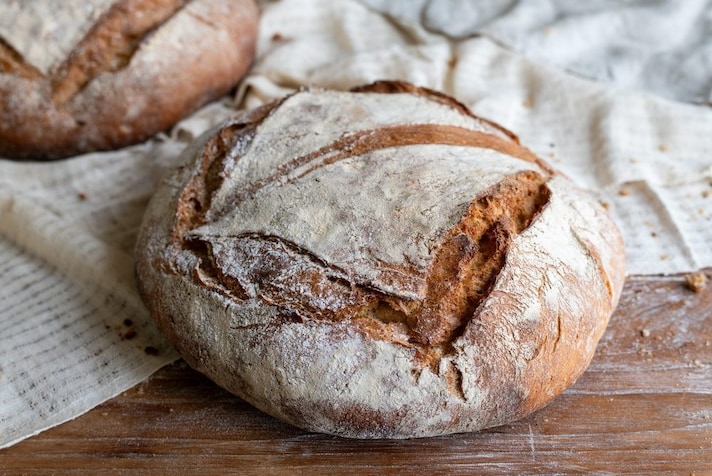
Generally, opt for bread that's recently made (the date on the label, along with its best before date, is indicated when the bread is first put in the bag) and that has a bright color: if it's excessively pale, it may have had problems rising, while if it's too dark, it's not necessarily due to wholemeal flour or a mix of grains, but rather that malt has been used to promote browning. If you're looking for wholemeal bread, don't limit yourself to the name: a "rustic loaf," for example, may only contain a little bran and have been made almost entirely with refined all-purpose flour, so always rely on the label.
Finally, let's look at your wallet: in the U.S., pricing rules are generally established at the state and local levels, and retailers commonly display bread prices per loaf, package, or individual item. Grocery store bread tends to be cheaper than in bakeries: production volumes, supply chain organization, distribution costs, and even the store's location, which can cause prices to vary from neighborhood to neighborhood and even from chain to chain, all play a role. This means that price isn't an indicator of high or low quality per se.

