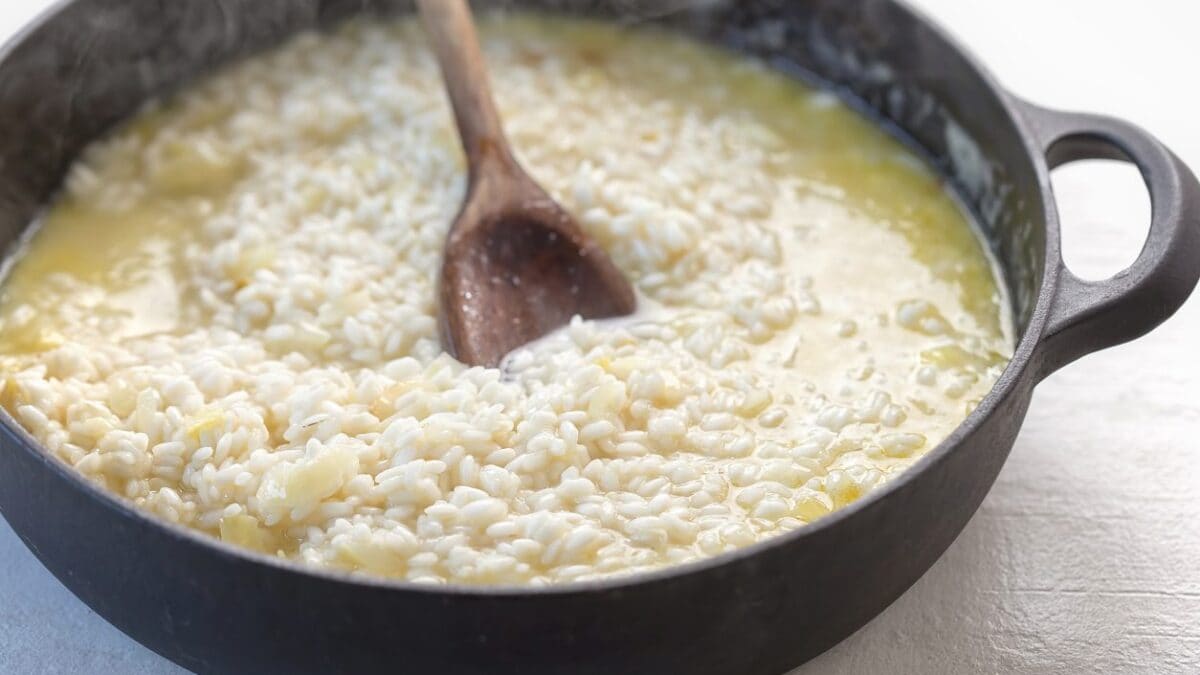
When we think of a dish with simple ingredients that requires a great deal of technique to master, risotto is probably the first that comes to mind. Even those who aren't expert cooks are now familiar with terms like Carnaroli, to indicate the most suitable rice variety; toasting, the initial phase in which the grains are heated in a pan, either dry or together with the sautéed onion; and creaming, the final operation in which the "magic" of the wave is performed or, in any case, a creamy dish is obtained. One of the key elements for a soft and inviting risotto is butter, added after cooking, preferably cold, in small pieces, so that the thermal shock makes everything even more velvety, thanks to the work of the fats in cow's milk. How do you deal with a recipe that becomes vegan or in which you want to avoid the use of dairy products? Is it better to move on to another dish? Not really, because there are several ways to make risotto using practical ingredients like extra virgin olive oil or plant-based alternatives to butter, as well as less conventional ingredients , like nut, seed, or legume spreads. Let's look at the various options and how to use them.
1. Extra Virgin Olive Oil
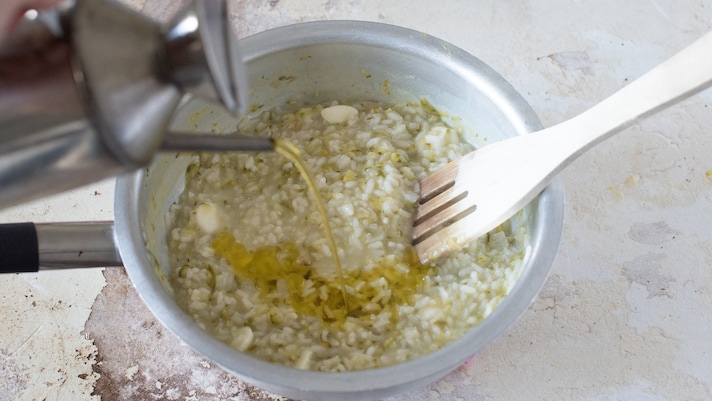
Extra virgin olive oil is probably the perfect substitute. Add it raw, off the heat, and drizzle it in, stirring vigorously to blend it with the other ingredients, incorporating air and achieving a creamy consistency. Our advice? Choose a delicate oil, as pungent varieties could be overpowering and overwhelm the flavor of the dish.
2. Legume Cream
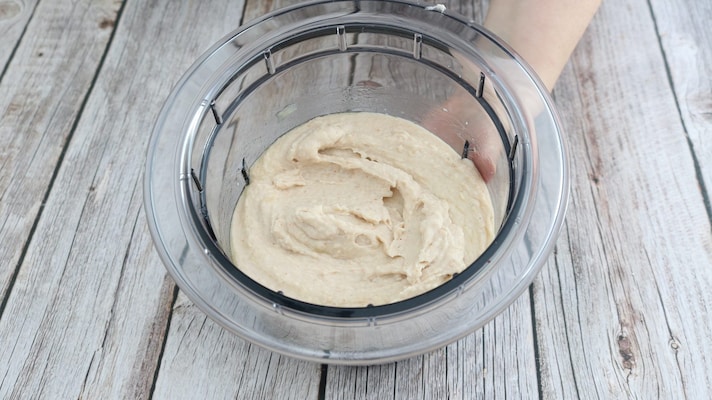
You've probably noticed: beans (borlotti and cannellini) and peas have a soft texture and are rich in starch, so much so that soups and broths featuring them take on a rather thick consistency, especially if these vegetables are blended. You can also take advantage of these characteristics to cream risotto, especially if it contains these ingredients or is based on vegetables and mushrooms. Cannellini beans are the easiest option for this task, given that they are naturally "buttery" and have a mild, almost sweetish flavor.
3. Vegetable Puree
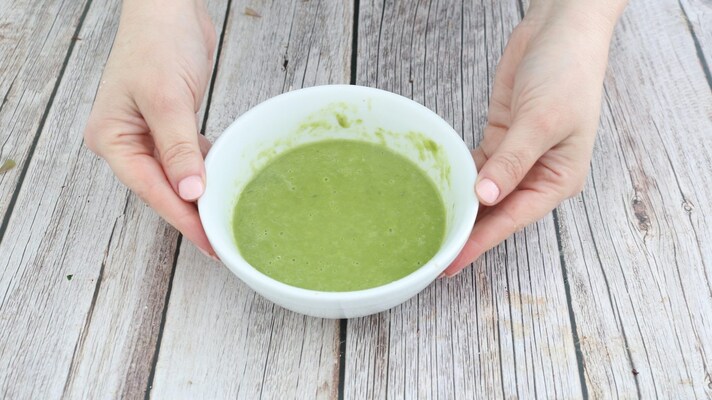
A very easy and virtually risk-free solution is to use a puree made from the same vegetables you're using to make the risotto, which also has the added benefit of enhancing the final flavor of the dish. Simply blend pumpkin, cauliflower, artichokes, or zucchini, depending on the recipe, to create a smooth cream that helps bind the ingredients together better, just like butter. The same goes for avocado: choose a ripe one and mash the pulp with a fork, add a pinch of lemon juice, and add to the risotto off the heat.
4. Butters and Creams Made From Dried Fruit or Oil Seeds
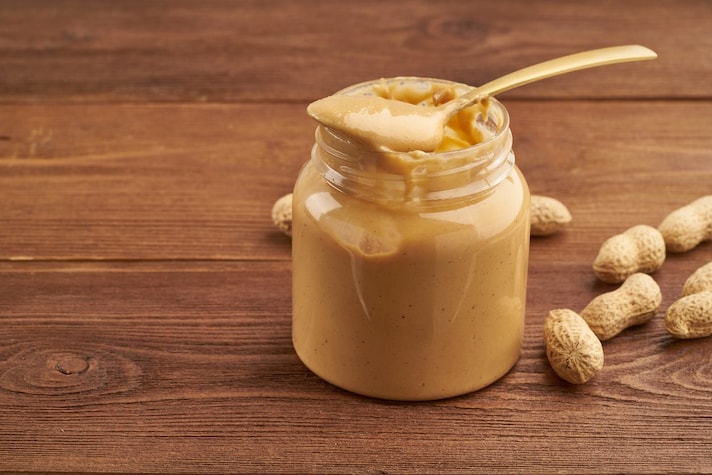
100% nut and seed spreads are a great alternative if you're vegan, or if you'd like to experiment with a different kind of creaming. Their best friend is the fat found in these preparations, which comes from the original blend of cashews, almonds, and sesame seeds (used in this case in the form of tahini, the same sauce used for hummus). Simply add a spoonful off the heat and stir: you can thin them with hot broth before adding them to soften the distinctive flavor. Finally, remember to choose products that don't contain sugar, salt, or other ingredients.
5. Rice Flour
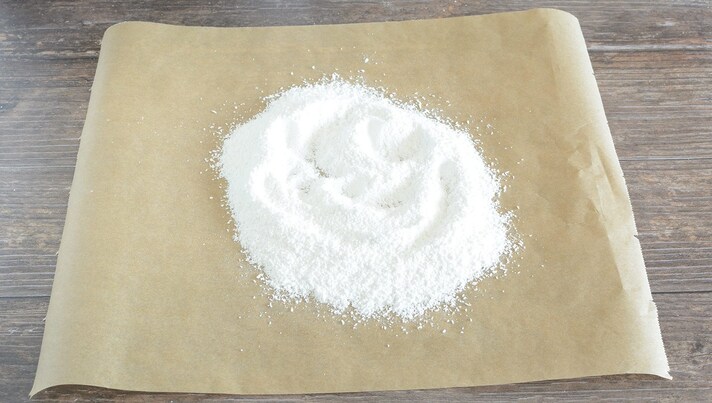
We know that rice grains release starch during cooking, and in certain recipes (not risotto, mind you), rinsing them under running water helps eliminate the excess, resulting in a less sticky consistency. Rice flour is composed almost exclusively of starch and, just like wheat flour, can be used as a thickener. Compared to all-purpose flour, it's lighter and more subtle in flavor, and it's also gluten-free, making it a great alternative for creaming: simply dissolve it in a little water at the end and stir to avoid lumps.
6. Potato
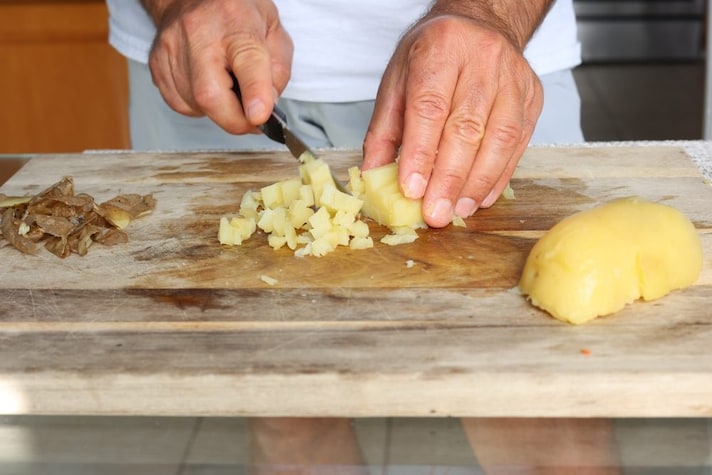
There's a vegetable that comes in as handy as flour, especially when making creamy soups and veloutés: potatoes. In this case, the remedy for the lack of butter is implemented initially, to provide a boost of starch during cooking, in tandem with that released by the rice. Rather than a creamy and fluffy texture, the result could veer towards "mushy," requiring careful monitoring and adjustment of the risotto's density with broth.
7. Butter and Plant-Based Cream
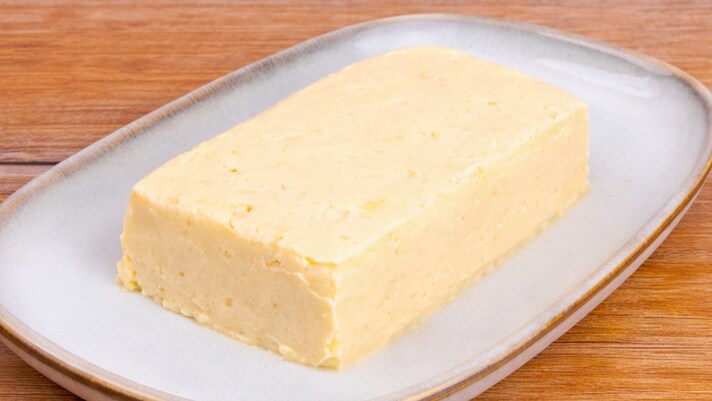
These are products that have become popular, easy to find in supermarkets or to make at home (see plant-based butter). They are specifically designed to perform the same tasks as the "classic" variants and are used in the same way: this is precisely why we listed them last, despite them being a popular and convenient choice.
What if You Just Run Out of Butter?
The alternatives we've suggested so far completely exclude products of animal origin and containing lactose. They're perfect for any occasion, even if you've simply forgotten to buy butter. In this case, if you need solutions without dietary restrictions, you can also opt for soft fresh cheeses, such as robiola, stracchino, crescenza, or soft goat's cheeses (slightly more intense in flavor). Mascarpone, dense and velvety, is also excellent: they give body to the risotto, always adding them at the end.
;Resize,width=767;)
