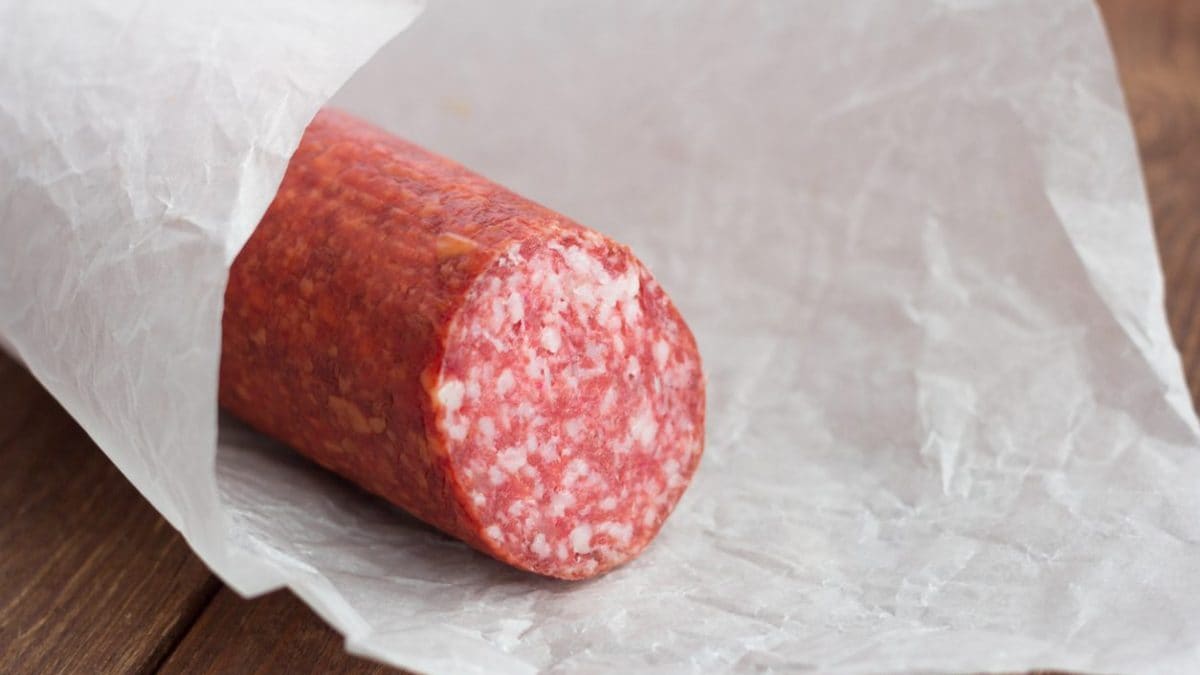
Cold cuts are a staple of every country's culinary tradition: we can find them at the delicatessen or at the supermarket counter, sliced or pre-packaged, or we can buy them whole or in vacuum-packed pieces. Each region boasts its own specialties and from this alone, it's easy to see that this isn't a standard product that follows the same storage guidelines : different types require different conditions. Generally, low temperatures and controlled humidity slow the growth of microorganisms that could lead to mold formation: it's no coincidence that cured whole cured meats can also be stored in a well-ventilated cellar. It must be said, however, that the preferred place in the house once you buy them is the refrigerator, especially when we're talking about fresh, just-cut ones, which are particularly perishable: let's see how to best preserve them.
How to Store Cold Cuts in the Refrigerator
A common and often essential practice to prevent cured meats from spoiling is to refrigerate them. However, oxidation can quickly occur, resulting in the proliferation of bacteria that often forces you to give up eating them. Here are some tips to prolong the shelf life of hams and other products.
- Temperature: This is one of the most important aspects to consider. Fresh or cooked cured meats generally require a temperature between 35/2 and 39°F/4°C, so they should be stored in the lowest part of the refrigerator or in the dedicated space provided by newer appliances. Sliced meats are the most delicate and should be consumed within five days. Among cured meats , some are more durable than others: simply trim off the first piece that might have spoiled.
- Containers: Sliced or chunky cured meats should be stored in airtight containers, either in their packaging, wrapped in foil if opened to protect them from external agents, or in plastic wrap. An effective method is to line the product with parchment paper before covering it with foil: this maintains the right level of moisture, preventing it from drying out.
- Vacuum packing: undoubtedly one of the most effective methods for preserving sliced, chunky, or whole cured meats for a long time. This technique minimizes contact with oxygen, preventing oxidation and rancidity. Cured meats stored in this way in the refrigerator can last from 2 to 6 months (the older they are, the more durable they are). Once opened, however, they must be consumed within 5-6 days: it's advisable to wait a few hours before consuming them, so that they can "breathe" and release the aromas and flavors that have been compressed for a long time.

Which is Better: Film or Aluminum Foil?
The choice between film and aluminum foil for storing cured meats in the refrigerator depends on several factors:
- Type of cured meat. Cling film adheres better and prevents oxidation, keeping the cured meat fresher for longer. Aluminum foil may be better suited for protecting cured meats from light and moisture.
- Shelf life. Both options are valid for a few days' storage. For longer storage, cling film, especially when combined with an airtight container, provides better protection.
- Product features: Film adheres better to thin slices, preventing them from drying out. Aluminum foil may be more practical for wrapping larger pieces.
How to Store Whole Cold Cuts
For whole cold cuts (such as prosciutto, coppa, pancetta, bresaola, etc.), it's best to make a brief separate discussion, because the best place to store them is not the refrigerator, but a cool, dry place, preferably dark, where the temperature is a constant (no fluctuations) between 59/15 and 68°F/20°C. This could be a room in the house, but the most suitable place is usually the cellar, where they should be hung and not in contact with surfaces, so as not to absorb excess humidity. The suggestion, if you cut it and bring it to the table, is to reposition it with the cut part wrapped in gauze, so as not to dry it out. This method is especially ideal if you've purchased artisanal cold cuts, while for industrially produced ones, which have already been subjected to low temperatures during storage (between 39/4 and 42°F/6°C), you can opt for the fruit box in the refrigerator.
Can Cold Cuts Be Frozen?
Among the most frequently asked questions about preserving cured meats, one stands out: whether they can be frozen. The answer is not clear, although it is generally not recommended, as excessive cold alters the organoleptic characteristics of most types. Freezing cold cuts is not recommended because the fats tend to oxidize during the process, compromising both flavor and texture. Furthermore, freezing causes water crystallization within the fibers, which tends to compromise the product's texture once thawed. The only exception may be for vacuum-packed cold cuts with a low salt and fat content (such as speck) , which should be kept for no more than 2-3 months. Otherwise, remove the fattiest part of the piece and then vacuum-pack it, always remembering to note the freezing date and that once removed from the freezer, it cannot be refrozen.
;Resize,width=767;)
