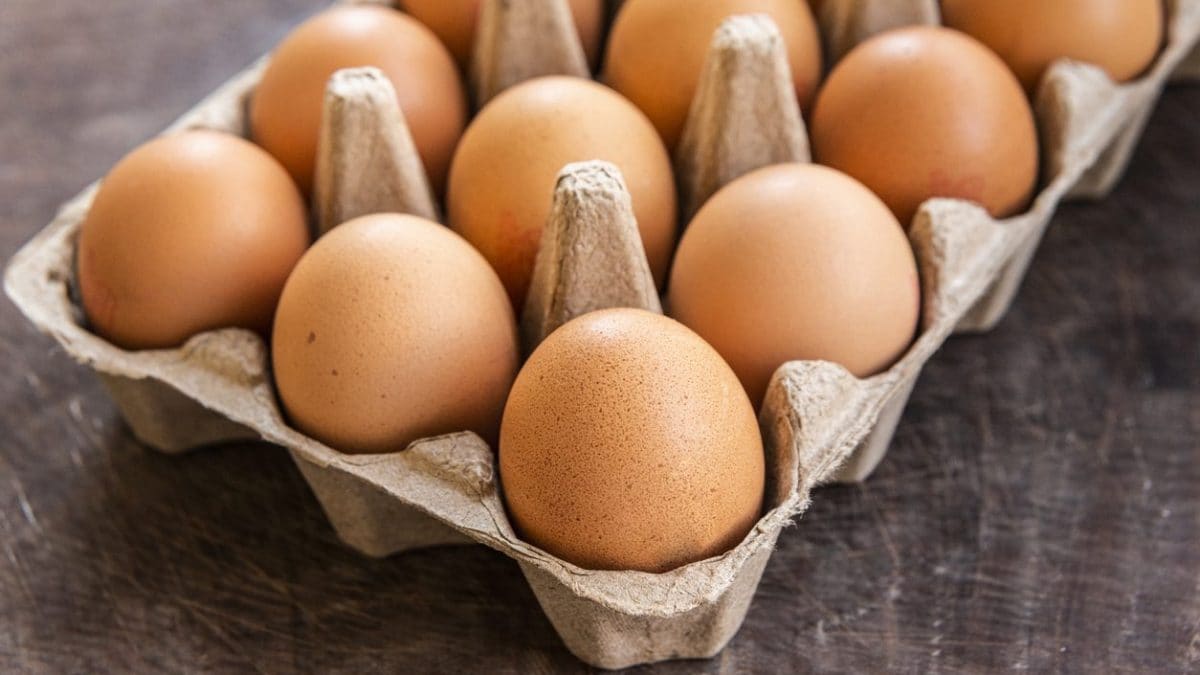
They are among the most common ingredients in the kitchen, the basis of numerous savory and sweet recipes, from omelettes to cakes. Yet, eggs are a food that has always raised doubts in consumers: the question of how to store them probably ranks highest with how many we can eat per week. Why are we always unsure about where to put eggs once we bring them home? The reason can be summed up in the fact that in the grocery store we see them stored on shelves at room temperature (or in some cases in specially cooled spaces), while on almost all packages the label indicates to store them in the refrigerator after purchase. This is the best way to reduce the risk of bacterial contamination, particularly from salmonella, given that eggs are a delicate food, highly sensitive to temperature changes. Let's look at the issue in more detail and why, when we are faced with fresh eggs that come directly from the farmer or from our own chickens, we can behave differently.
Where Are Grocery Store-Bought Eggs Stored?
Let's answer this question right away: the best place is the refrigerator, on the middle shelves, inside their box, usually made of cardboard, which protects them from impacts (they must be intact) and prevents them from absorbing the odors of other foods. This way, the eggs don't undergo temperature changes when the door is opened—where the perforated accessory that supposedly holds them is often located—and they remain at an environment between 35°F/2°C and 39°F/4°C until the date marked on the label and the eggshell. By law, the minimum shelf life is 28 days from when they are laid.
In the United States, shell eggs sold for consumption are regulated primarily by the USDA and FDA, and the approach differs significantly from European standards. American eggs are typically washed and sanitized before sale, a process intended to reduce the risk of contamination from bacteria such as Salmonella. However, washing also removes the egg’s natural protective coating, called the cuticle, which is why U.S. regulations require eggs to be continuously refrigerated at 45°F (about 7°C) or below during storage and transport. According to FDA guidance, maintaining refrigeration is essential to slow bacterial growth and prevent condensation that could allow microorganisms to penetrate the porous shell. Unlike in many European countries, unrefrigerated storage of commercially sold eggs is generally not permitted once they have been processed in the U.S.
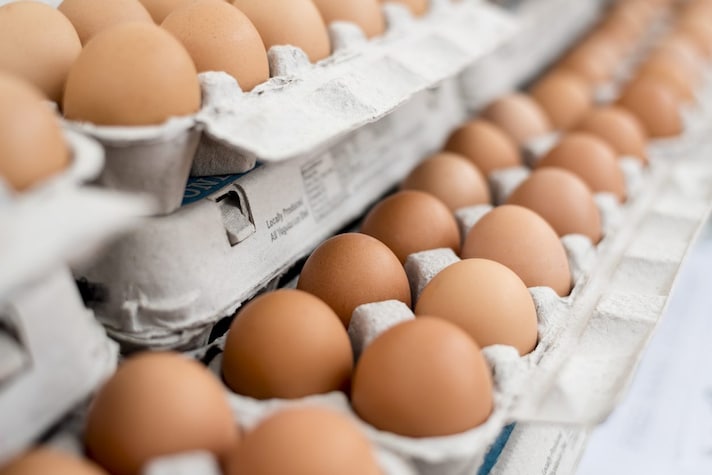
The critical issue with eggs we bring home, therefore, is that during the journey from the supermarket to the kitchen, usually undertaken without any particular precautions other than attention to possible breakage, they can be subject to temperature changes, resulting in condensation forming on the surface. Placing them immediately in the refrigerator significantly lowers the temperature, thus preventing the spread of potentially harmful microorganisms. This also explains why it's recommended not to wash eggs (without the cuticle, the porous shell becomes more vulnerable to moisture) and never to place them near raw foods like meat or fish, which could be contaminated. A good practice to avoid food poisoning is also to avoid breaking eggs on the edges of the container where you'll be whisking the yolk and white, and to wash your hands after handling them. Once removed from the refrigerator, use eggs within two hours in dishes that require cooking.
Why You Should Never Put Eggs in The Refrigerator Door
Storing eggs in the refrigerator is generally the best choice for keeping them fresh longer and reducing the risk of contamination. However, many wonder why eggs are often exposed to room temperature in grocery stores: the reason is that during distribution, they are maintained at a stable temperature and do not undergo temperature fluctuations. If they were refrigerated in the store and then transported home at room temperature, condensation could form on the shell, encouraging the proliferation of bacteria. Once at home, however, the refrigerator helps maintain a more constant temperature. It is important, however, to avoid the refrigerator door, even if it often has special egg compartments, because it is the area most exposed to temperature variations due to constant opening. For this reason, it is preferable to store them on the middle shelves of the refrigerator, where the temperature remains more stable.
Fresh Eggs From a Farmer Don't Need the Fridge
Eggs have been a highly nutritious food ever since humans first domesticated chickens. And back then, refrigerators didn't exist. Fresh eggs purchased from a trusted farmer or produced by a home chicken coop can be stored outside the refrigerator for one to three weeks, depending on environmental conditions. The optimal storage conditions are a cool, dry place away from heat sources. If it's too hot, like in summer, or you're worried about extreme temperature changes, then refrigerate them anyway. You may find yourself with expired eggs or forget how old they are: they don't necessarily need to be thrown away. If the smell doesn't indicate rot, there are home tests you can try, always making sure to cook them once they've been approved.

;Resize,width=767;)
