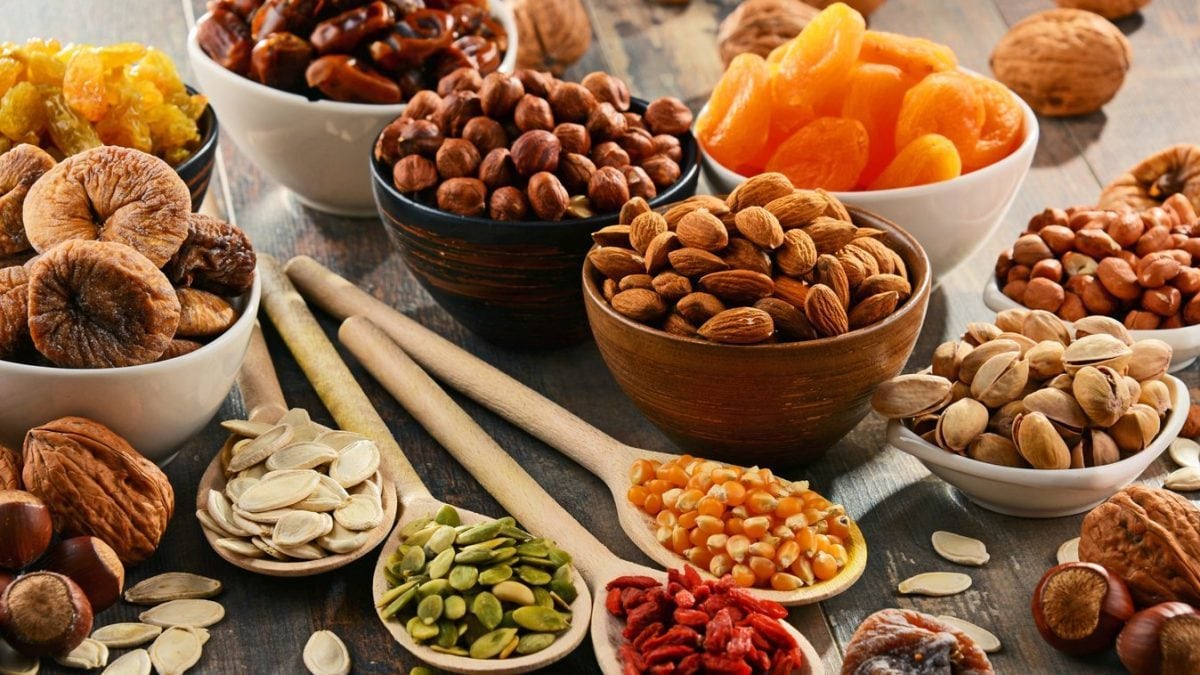
Dried fruit is an ingredient that should never be missing from the kitchen: easy to use, rich in nutrients, perfect for adding a touch of class to desserts, salads, yogurt, or as a quick, high-energy snack, for breakfast or as a snack. Whether almonds, walnuts, hazelnuts, pistachios, peanuts, cashews, or pine nuts, these foods have one thing in common: they contain a high amount of unsaturated fats, the so-called "good fats," as well as fiber, mineral salts, and vitamins, making them truly healthy, provided they are consumed in moderation, given the concentration of calories in just a few grams. Storing them correctly, just like all foods, allows you to best preserve the properties of dried fruit: not only those related to health, but also their texture and flavor, so that they do not lose their crunchiness or undergo alterations in flavor that veer toward bitterness and rancidity, precisely due to the deterioration of the oils contained within. In particular, the Christmas holidays could push you to buy more than necessary: so let's see how to preserve it: among the advantages, in fact, there is also that of its duration.
A Question of Temperature
Heat, light, and humidity are the main elements that in most cases have negative effects on food preservation: dried fruit is no exception and, in fact, suffers from all three. For this reason, it is advisable to keep it in a cool, dry place, away from sources of light and heat: the ideal temperature is between 59°F/15°C and 64°F/18°C, with the pantry often proving to be the best solution. Make sure it is ventilated (to avoid the development of humidity and therefore mold) and that it is not subject to sudden changes in temperature, such as in cupboards and on high shelves above the stove or in those exposed to prolonged sunlight. In the warmer months, when the temperatures rise even indoors, dried fruit can be stored in the refrigerator: the cold slows the oxidation process and maintains the aroma longer. Our advice? Take it out 5-10 minutes before enjoying it. Even the freezer becomes an ally: dried fruit must always be shelled, and when you need it you can slowly thaw it in the refrigerator, without having to refreeze.
How Long Does Dried Fruit Last?
Dried fruit without its shell, stored in the pantry, generally lasts several months. If purchased pre-packaged, the date printed on the packaging is valid, usually marked with a "best before"; this date generally lasts up to a year. If purchased loose or the package has been opened, then the shelf life is shortened by 3 to 6 months for almonds, hazelnuts, and pistachios. Any special cases? Common walnuts spoil more quickly, but especially pine nuts: these are oilseeds very rich in fat and therefore spoil more quickly, so much so that their shelf life is reduced to 1-2 months.
The Best Containers to Use
The choice of container greatly affects storage. The goal is to limit contact with air and protect the dried fruit from humidity and external odors. The best containers are:
- Glass jars with airtight seals: this is the most recommended choice because they don't absorb odors, are easy to clean, and protect food well. Ideal for both the pantry and the refrigerator.
- Plastic containers: These are practical and easy to find. The important thing is that they have a lid to seal them.
- Zip-top freezer bags: perfect for freezing, allowing you to portion out nuts into small quantities.
Remember to attach a sticker with the date, so you'll know exactly how long the fruit has been in the pantry, fridge, or freezer.
Does Dried Fruit Last Longer if It's Left in The Shell?
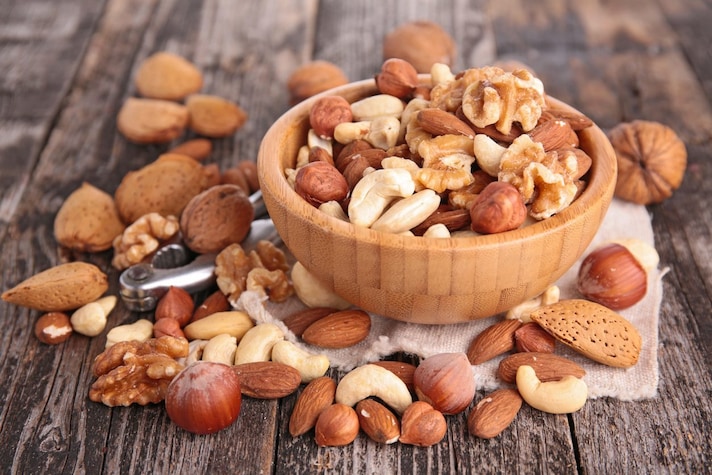
If you plan to consume dried fruit over a longer period of time— a couple of months longer —then opt for the ones with the shell: this coating acts as a natural barrier, protecting the pulp from the factors mentioned above and limiting the oxidation of fats. However, the same rules must be followed as for the shelled ones, using the correct precautions against external agents and the right containers: in fact, the inside can rot even if the shell is intact and shows no signs of deterioration.
;Resize,width=767;)
