
Milk is certainly one of the most common foods in our kitchen, used pure for breakfast (but also as a snack for children) or used in countless sweet and savory recipes. This is due to its goodness, its beneficial properties, and also its ability to make doughs softer and fluffier. Furthermore, it comes in many different types, a characteristic that also makes it suitable for many different tastes.
However, milk is also one of the foods to which people develop the most intolerance, whether it's true lactose intolerance or simply difficulty digesting it. There are also a growing number of people choosing a vegan diet and therefore unable to consume animal products.
Does this mean giving up milk? Absolutely not! Today, there are countless milk substitutes, and the beverage can be replaced in recipes with common, easy-to-find ingredients. In our guide, we'll explain how to replace milk in cooking and baking, tips you can apply whether you can't consume it or simply don't have it at home.
1. Plant-Based Milk
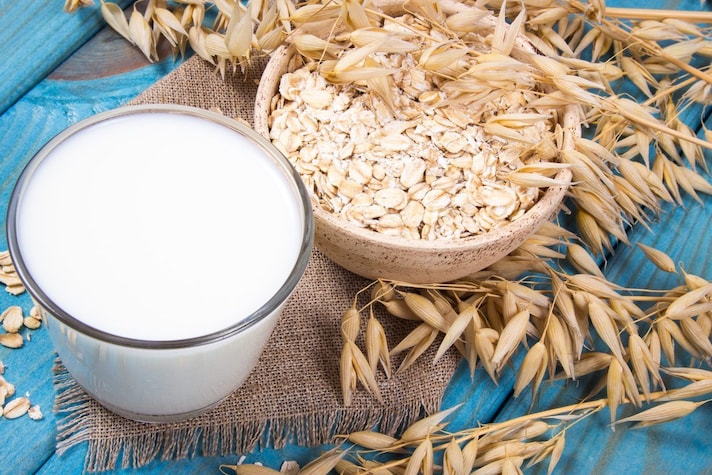
The most common substitute for cow's milk is plant-based milk, a drink made from various natural plants. It's lighter and suitable for everyone, not just those who choose not to consume animal products or are intolerant to them. The choice is wide: the most popular is soy milk, because it's the lowest in calories, while rice milk, coconut milk, almond milk, and oat milk are the most popular flavors. The quantities of plant-based milk to use in recipes are the same as those for cow's milk, but depending on the type of substitute you choose, you'll need to consider how much sugar to use: if, for example, you use rice milk, which is extremely sweet, you'll need to reduce the amount of sugar indicated in the recipe.
2. Cream

Cream is an excellent substitute for milk, particularly because it can give your dough a particular softness and a more intense flavor, as well as a certain creaminess when making sauces or purees. You can choose regular cream or vegetable cream; just remember that these preparations are often already sweetened: in this case, reduce the sugar to avoid obtaining an overly sweet preparation. You can use either fresh cream or cooking cream, but remember that the quantities vary depending on the type: if you use liquid cream, the quantities are the same as those indicated in the recipe; if you use whipped cream, it is thicker and therefore you will need to add 25% more than the amount indicated in the recipe for milk.
3. Yogurt
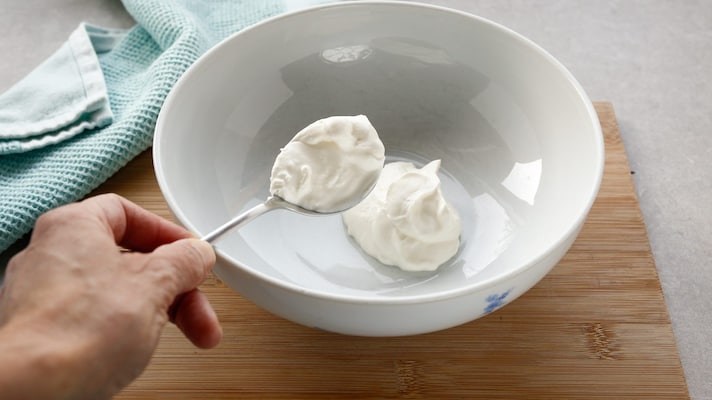
Just like with cream, you can replace cow's milk with yogurt, available in both traditional and plant-based versions. Unlike cream, yogurt is very useful for reducing the sweetness of your dish, as its tartness will balance the sugar (if, of course, you're making a dessert). As for the amount to use, the same applies as with whipped cream: yogurt is thicker, so you'll need to add 25% more than the milk. So, 100 ml of milk can be replaced with 125 g of yogurt.
4. Water
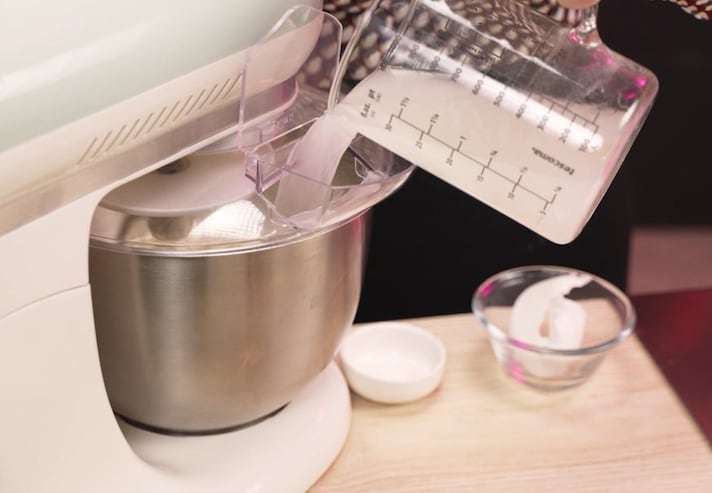
Light, odorless, and tasteless, water is the most natural ingredient possible and is ideal for replacing milk in both cooking and baking: it makes doughs particularly crumbly. The amount of water used is the same as the amount of milk. Precisely because water is the most neutral ingredient you can use, water-based cakes have become increasingly popular in recent years, taking advantage of this substitution to create a tasty yet lighter and more digestible cake. Also worth trying are milk-free pancakes, which with water are much lighter but equally delicious.
5. Fruit Juice

It might seem like a rather odd substitution, but using fruit juice instead of milk is actually a very valid option. In this case, the amount of the ingredient itself remains the same as that indicated in the original recipe you're following, but you must pay attention to the flavor. Fruit juice, in fact, is not flavorless; you can choose different types, such as apple juice, peach juice, orange juice, pineapple juice, or apple juice. Obviously, the type of fruit from which the juice is extracted will influence the flavor of your preparation, so carefully choose the fruit juice pairing with the type of recipe you're cooking.
6. Wine

Our last suggestion is also the most unusual: replace the milk with white wine. This idea might make you turn up your nose at first, but it's actually one of the classic "grandmother's remedies" that was used especially in the past, when milk wasn't readily available to everyone. Remember, however, that since it's a beverage with a strong flavor, you can only use it when the recipe calls for no more than 100 ml of milk. Using wine on top would alter the flavor of the final dish, especially if it's sweet. And if you're still not convinced, consider the recipe for wine donuts, which originally doesn't call for milk but a simple dough made from flour, sugar, red (or white) wine, seed oil, and a pinch of baking powder.
;Resize,width=767;)
