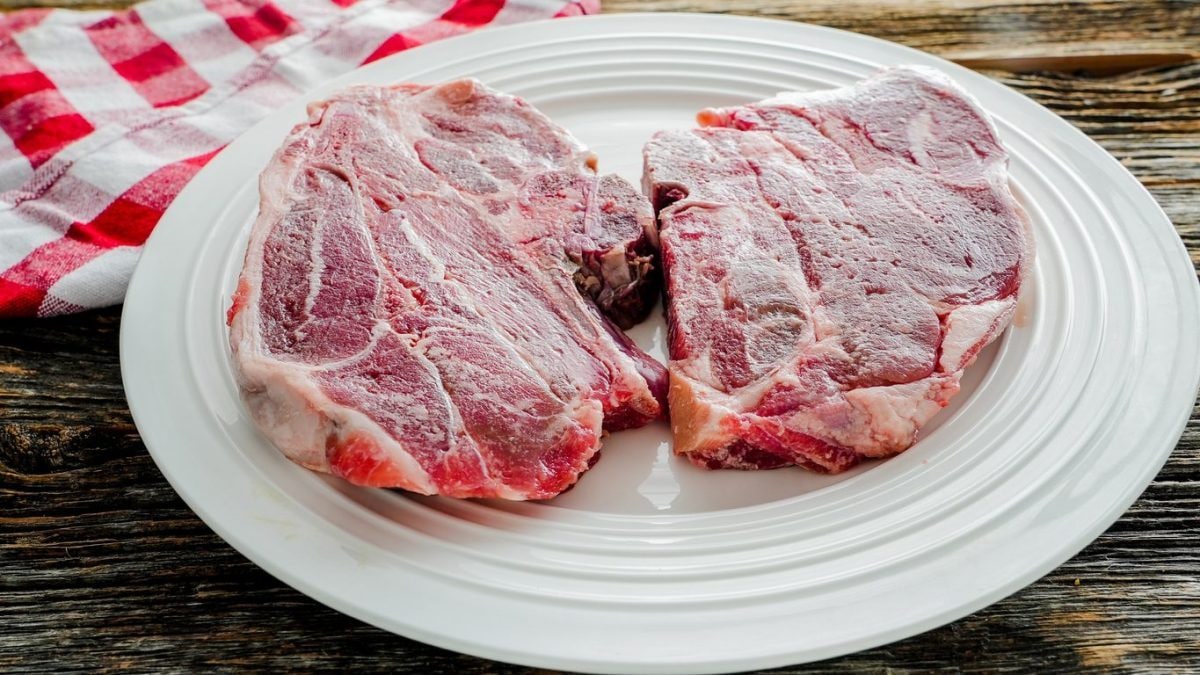
One of the most effective and safe methods for preserving meat for a long time is freezing it: when placed in the freezer, the low temperatures temporarily block both the growth of microorganisms and the action of enzymes, slowing the food's degradation. The shelf life varies: beef generally lasts for 9 months, chicken and turkey 12 months, and pork about 4 months, depending on the fat, protein, and water composition. The meat must be optimally frozen and kept at -0.4°F/-18°C at all times. Be careful with minced meat (such as ground beef, hamburgers, and sausages), which, with more exposed parts due to cutting, is more delicate and therefore more susceptible to deterioration and the development of pathogens: do not leave it in the freezer for more than 3 months. Labeling meat when you put it in the freezer, indicating the date and type, is important for food safety, as well as being a useful practice for avoiding food waste. However, you may have doubts: is the product left in the freezer for months still good? Here's what to look for to avoid health risks.

How to Tell if Meat is No Longer Good
We know that the passage of time affects the organoleptic characteristics of foods, and the advice is always to eat them fresh. Despite this, meat can be frozen and used even after months without risk: just remember to freeze it when it's fresh and not keep it in the refrigerator until the last moment before its expiration date, or it will already be almost completely spoiled. Have you followed all the rules for optimal storage? Make sure the meat is still good when you decide to cook it.
Smell It
Once thawed, smell is one of the main factors that determine whether food is actually still edible. Meat, especially red meat, has a rancid, pungent odor when it's gone bad; however, it should be subtle and not overpowering. Furthermore, if you detect any unusual aromas that make you feel unpleasant, it's best not to consume it.
Check the Consistency
Another warning sign is consistency. Fresh meat, always thawed, should be firm and slightly moist. If, on the contrary, it appears soft, sticky, or covered in a slimy film, it is no longer healthy.
Look at The Color
The color of the meat ranges from bright red to pale pink. If, however, it is gray, greenish, or mottled, bacterial contamination has probably begun. However, a color change toward darker tones may have already occurred before freezing or occur during thawing due to oxidation, but it is not automatically compromised unless associated with the other signs just mentioned.

A few notes: as soon as you remove the meat from the freezer, you may notice that it has been attacked by ice, which has changed its appearance, making it unappealing. This doesn't mean it should be thrown away, but it has been subjected to freezer burn, where food suffers from "ice scald." Proceed with thawing, always in the refrigerator, respecting the cold chain, and only then observe the state of the meat: you may be dealing with a dry and desiccated product, but it is not harmful to your health. Finally, always consume it after cooking: if you want to make carpaccio or tartare, the raw meat must be very fresh, but that's a whole other story.
;Resize,width=767;)
