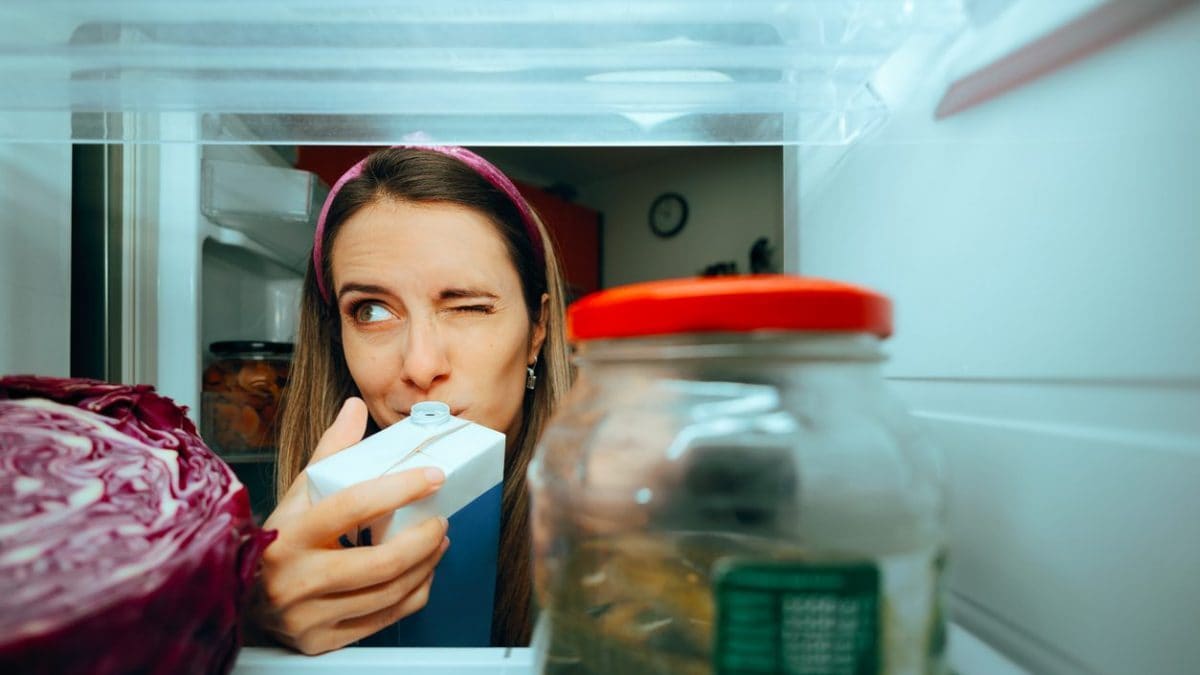
The freshness of the ingredients we use in cooking makes all the difference: for the same product, one that retains its organoleptic and functional characteristics will yield better results in terms of flavor, aroma, and texture. While it's easier to tell when some foods have gone bad, others are more complicated, as the signs of spoilage are hidden. Below, we've selected 10 commonly used foods, from eggs to flour, including fruits, vegetables, and cheeses, to help you understand when they're still fresh and when they're gone, and how to best handle them.
1. Fruits and Vegetables
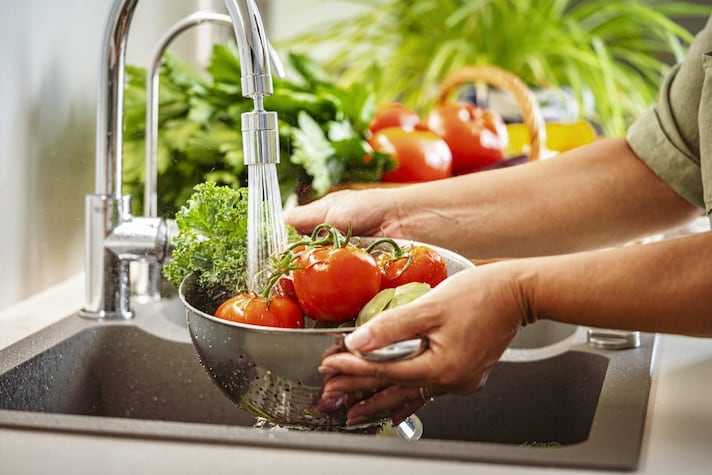
Among the most highly perishable foods are vegetables and fruit: when purchased, they should be free of damaged parts, bruises that could accelerate deterioration, and signs of rot. The external colors should be vivid and not faded, and the peel should be taut and intact. The consistency should be firm and compact, not yielding or flaccid. To maintain freshness, proper storage methods are essential: some vegetables should be stored in the refrigerator, in the appropriate drawer, while others, however, keep better outside.
2. Milk
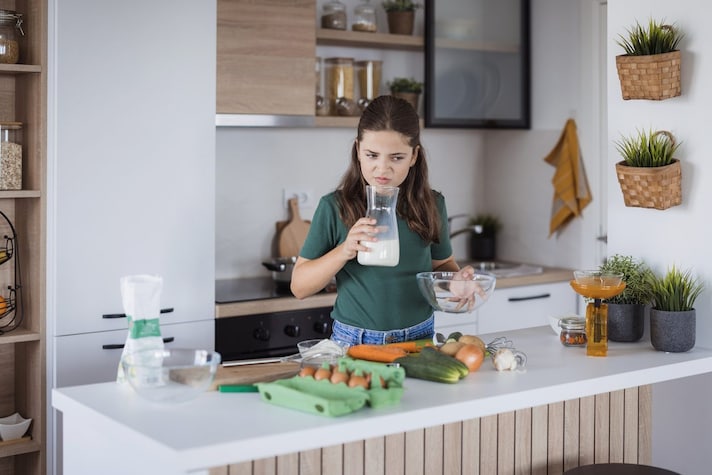
Telling when opened fresh milk has gone bad is fairly simple: when you smell it, it has an unpleasant, pungent odor, and it's not recommended to taste it if you already detect these intense acidic notes —the taste will be equally acrid—or if lumps appear and it has turned yellow from white. Each package has an expiration date: if you haven't opened the carton or bottle yet, know that milk generally lasts two or three days longer than indicated, so don't throw it away, but use your senses to determine if it's still good and how to use it.
3. Cheeses
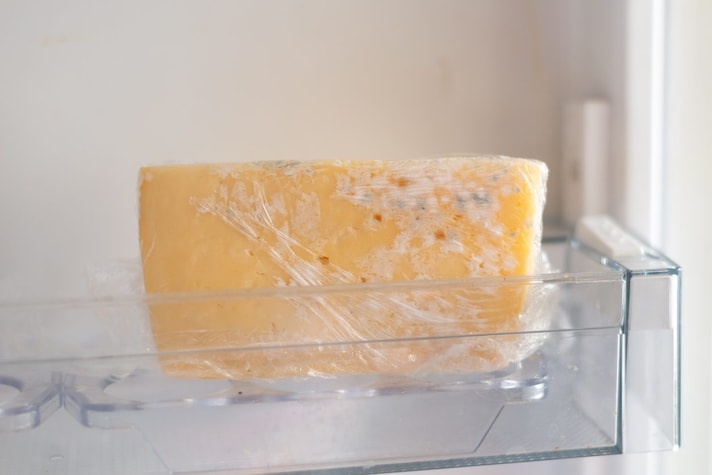
Another food to watch out for is cheese, especially fresh, stretched-curd or soft cheeses, from mozzarella to stracchino, including crescenza. Their flavor is delicate, their color white, and their aroma faint: if these aspects alter, with yellow-green hues and acidic notes on the palate and nose, then the degradation process has begun. In these dairy products, in fact, mold quickly penetrates the interior and is impossible to remove as is done, for example, with aged or semi-aged, hard cheeses, where simply removing the contaminated surface layer with a knife is enough to consume them again. Blue cheeses, such as Gorgonzola, on the other hand, naturally "stink" because they are based on healthy molds – specifically Penicillium glaucum – which characterize their organoleptic profile and texture. In this case, care must be taken during storage to prevent the formation of rot, with browning and the smell of ammonia.
4. Butter
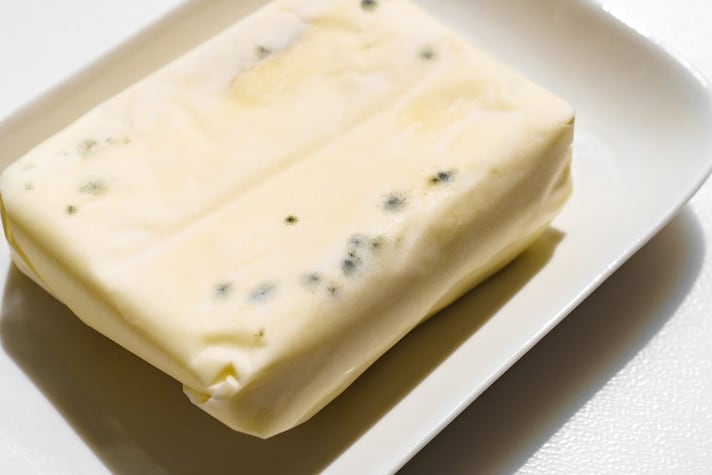
Butter left in the refrigerator for too long or improperly stored could go bad: follow the shelf life indicated on the package (when unopened) and check that it hasn't gone rancid due to oxidation. The formation of a yellow film on the outside is a sign that the butter has oxidized, with a drastic change in flavor. Removing the yellowish layer is pointless, as the entire product will have become acidic and unusable in recipes.
5. Flour
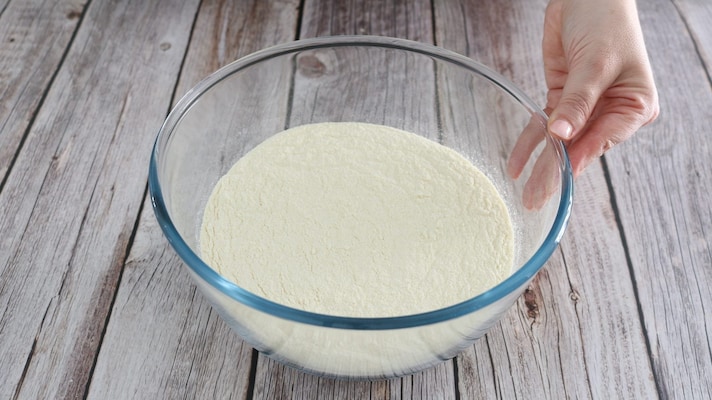
Flour is a product that lasts a long time. After the expiration date, however, it tends to lose its properties, making it no longer suitable for making leavened products: wholemeal flour, which still contains the wheat germ, has a shorter shelf life, between 3 and 6 months, compared to refined flour, which lasts forever if kept in the best conditions. It's no longer good when it changes color, lumps form, the smell becomes stale, and small insects appear.
6. Eggs
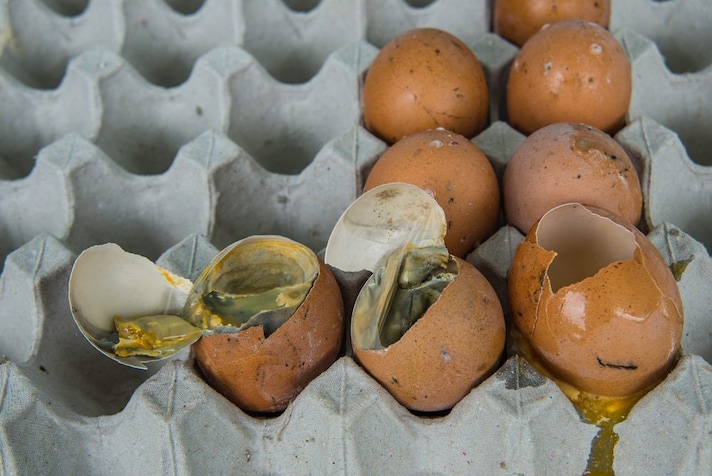
Eggs are one of the most worrying foods due to the risk of salmonella, a bacterium that is destroyed when the egg reaches temperatures of 158-167°F/70-75°C, i.e., by hard–boiled cooking. For fresh eggs, when they are packaged, it is useful to refer to the expiration date printed on the shell, preceded by the word WITHIN. By law, an egg is considered fresh in the first 28 days after being laid: this can be indicated on the label – it is optional – with the acronym DEP. If you are dealing with farmer's eggs or you no longer remember how long you have had them, you can use the classic grandmother's method, keeping in mind that it is not 100% safe. Place the eggs in a bowl full of water and observe: if they float, it is best not to eat them.
7. Bread
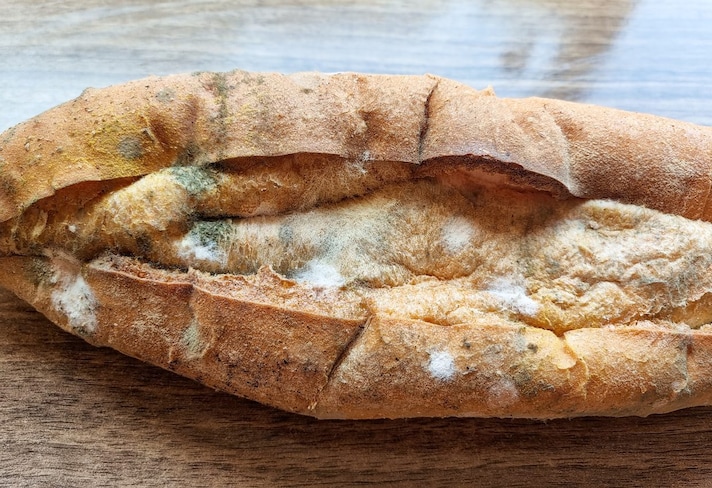
Depending on the type, bread stays fresh for 24 hours or up to a week if kept at room temperature in its bag. A loaf that's no longer fresh is dry and smells stale, old, and no longer fragrant. If it comes into contact with too much moisture, mold may also form: this often happens when it's placed in a sealed plastic bag. Stale bread, however, is still usable: you can revive it in the oven, dampening it slightly and eating it immediately, or use it in recycled recipes, from meatballs to regional desserts, in an anti-waste approach.
8. Oil
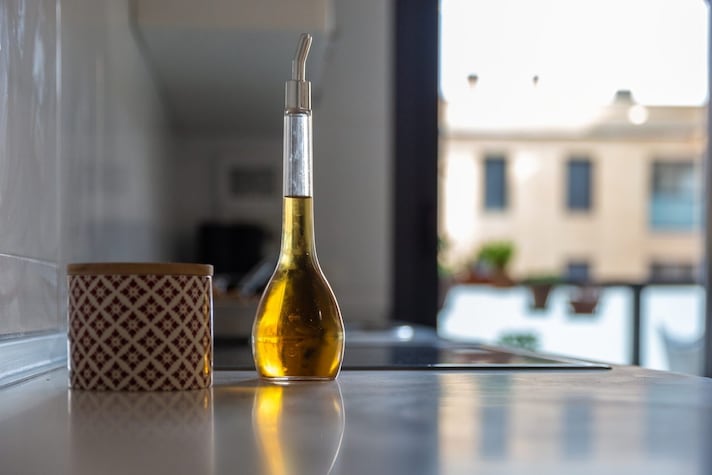
Extra virgin olive oil typically begins to lose its organoleptic properties after 12-18 months. This doesn't mean it's harmful to health, but it no longer retains its distinctive aroma, flavor, and beneficial properties. However, if stored incorrectly, near direct light or heat, the oil can go bad, triggering the oxidation process and resulting rancidity. This causes the odor to visibly change, becoming unpleasant, and the flavor to become bitter and pungent.
9. Vinegar
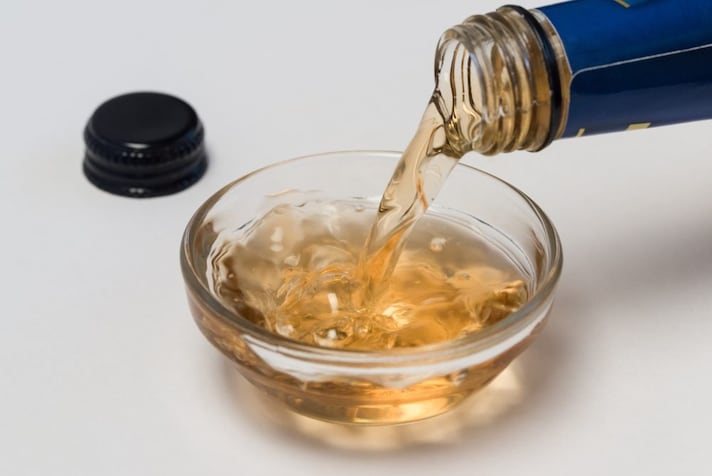
Vinegar rarely spoils: its high acidity (acetic acid) creates an environment unfavorable to the growth of pathogens, so much so that this product is still considered one of the best natural preservatives. A bottle left open for a long time can lead to a weakening of the flavor or clouding of the contents: in the latter case, it could be simple residue, or the so-called mother of vinegar, a gelatinous mass of bacteria—a product obtained from fermentation —which is not dangerous, but is unappealing to the eye. This occurs less often with supermarket-bought vinegars and more often with artisanal and homemade ones.
10. Yeast
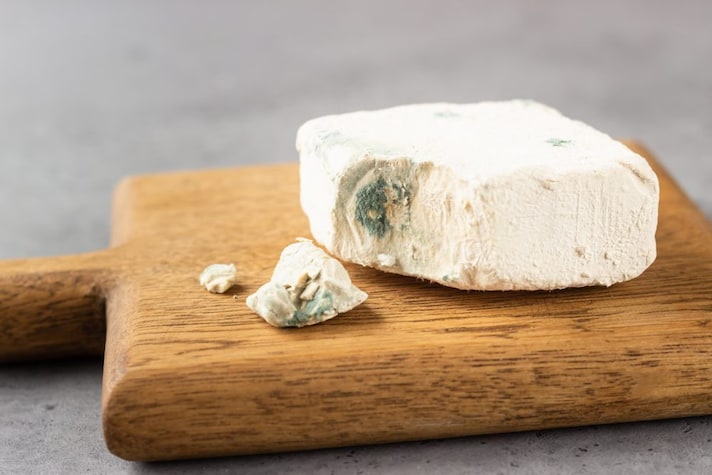
An ally in making bread, pizza, and focaccia, it's common to have a block of brewer's yeast in the refrigerator. How do you know if it's no longer fresh? The typical beige color turns gray, and stains or even mold forms on the surface. It's a delicate ingredient, but it can be used even after its expiration date. To check if it's still active when it shows no signs of deterioration, a trick is to add it to a glass of warm water and a little sugar and stir: if after 10 minutes a light foam has formed, it's still good.

