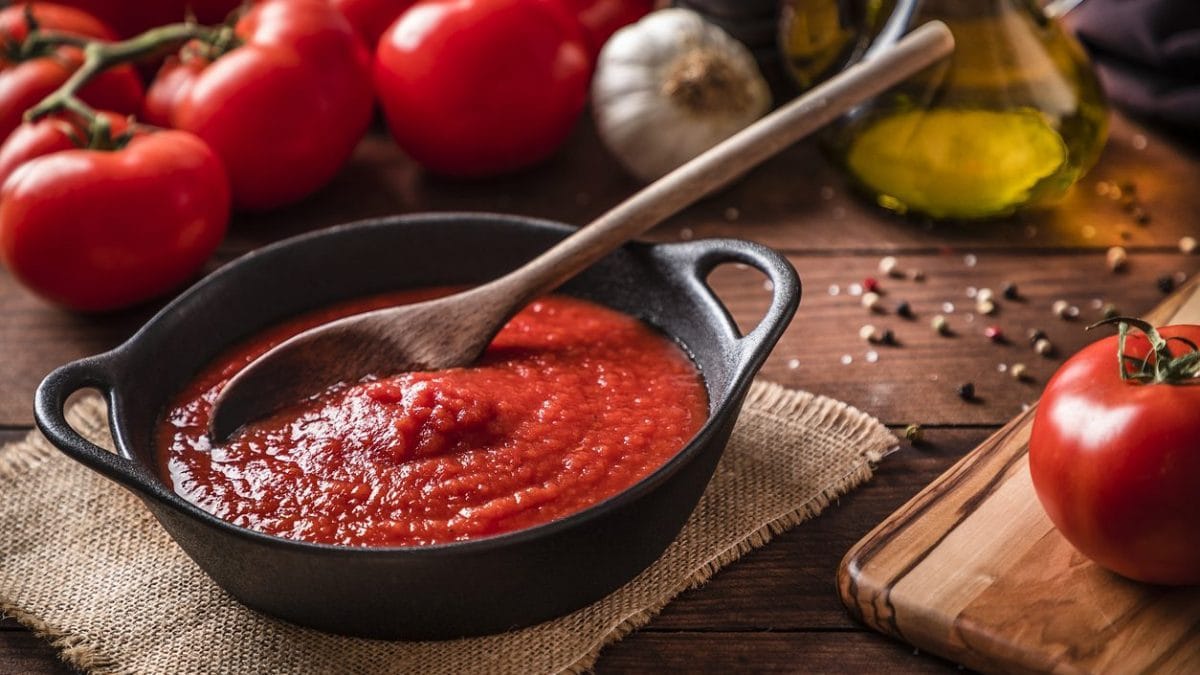
One of those ingredients that's never missing from our pantries: whether homemade or commercially produced, tomato puree is a must-have in our kitchen. Although this product has a very long shelf life, some storage errors can affect its quality, resulting in its deterioration. So how can you tell if it's still edible? Just follow a few simple tips.
A Little Introduction to Homemade Preserves
Even today, there are those who decide to make their own tomato puree at home: it's certainly a much healthier solution (avoiding the addition of some industrial ingredients), it allows you to choose the tomatoes you love most and obtain a sauce more or less acidic or sweet depending on your tastes.
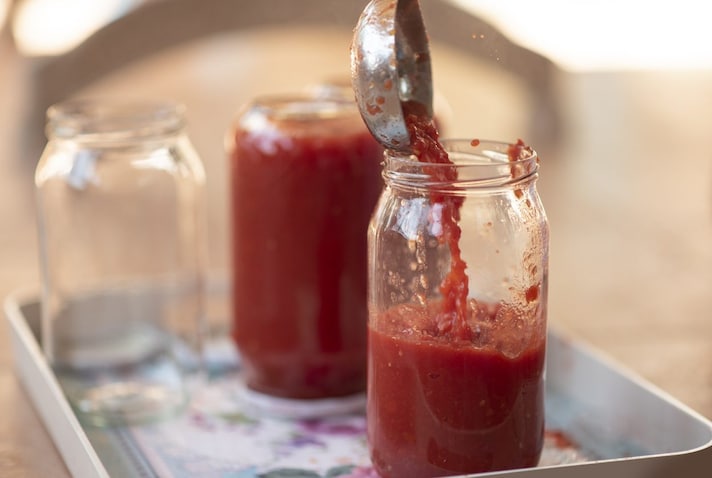
One of the main problems with this type of preparation, however, is sterilization: if not done properly, there's a risk of bacteria developing that can affect not only the flavor but also the quality. Therefore, the first piece of advice we give you, if you want to make your own tomato puree at home, is to pay close attention to properly sterilizing the jars you'll be pouring your preserves into.
What Are The Signs of a Rancid Tomato Puree?
That said, let's now analyze, in general, the characteristics that indicate whether a tomato puree has gone bad, whether it's homemade or not. Once you've opened the bottle, the first thing to pay attention to is the color: if a sort of green patina appears on the surface (or even on the bottom), it means mold has formed and therefore the puree is no longer good, or if it has darker spots.
Another warning sign can be the smell: the smell of tomatoes is unmistakable, and while the smell of freshly opened pureed tomatoes can be slightly stronger than that of tomato puree, a rancid odor can be a sign that something is wrong. So, if you notice a different odor than usual, avoid using that preserve. Likewise, flavor can also be a good indicator: if the color and smell don't match, try a pinch; if it's unpleasant, it means the product has been damaged.
Finally, and this only applies to industrial products, it's always a good idea to read the expiration date. Remember, however, that although these products can remain intact for many months, there may be problems related to the way they are stored, meaning they could go bad well before the indicated date. Furthermore, when you buy preserves at the supermarket, also check that the jars are intact: if the lids are dented or bulged, it's likely that they've been contaminated.
;Resize,width=767;)
