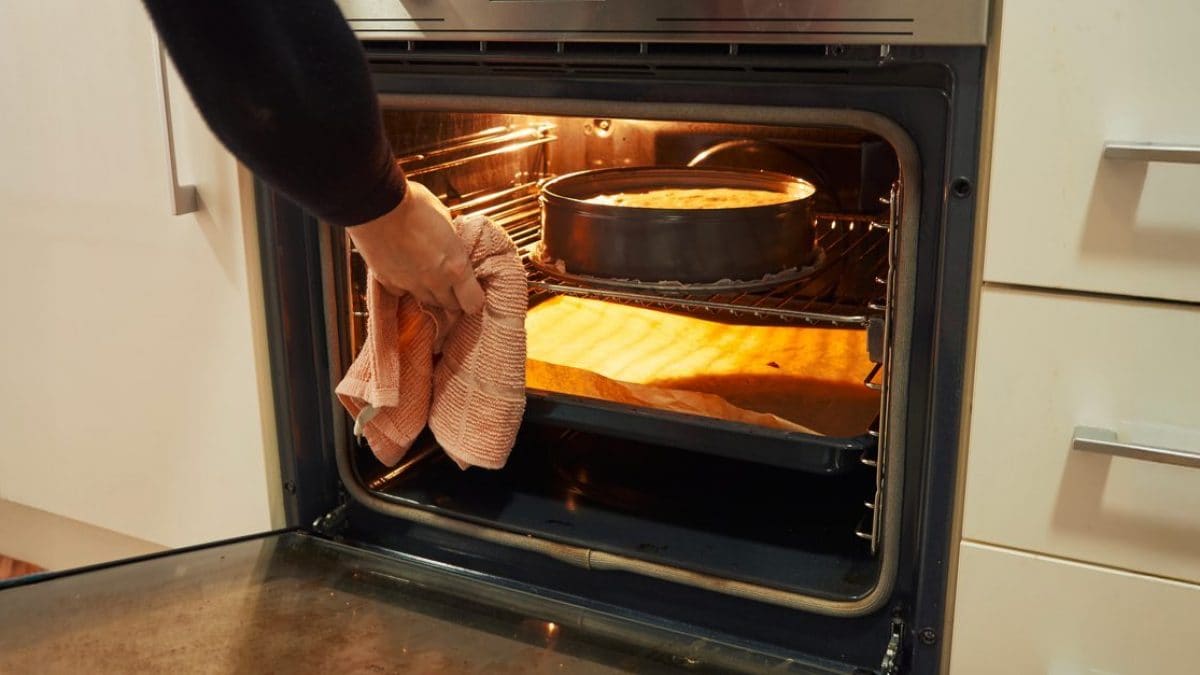
In the world of baking, "bake until golden brown" is perhaps the most heavily repeated phrase in culinary history. It is printed on the back of cookie boxes, scrawled in heirloom recipe cards, and touted by television chefs. But if you rely solely on color to determine when your desserts are finished, you are setting yourself up for kitchen heartbreak.
Depending on your oven's air circulation, the type of sugar used, or the density of your batter, a cake can look beautifully bronzed on the outside while remaining completely raw in the center. Conversely, a tray of brownies can look pale and unfinished right at the exact moment they need to be pulled to preserve a fudgy texture. Baking is pure chemistry, and every category of dessert speaks a different sensory language when it reaches its structural peak. To eliminate the guesswork and ensure your pastries turn out flawless every single time, you need to look past the color and master these five category-specific tests for doneness.
1. Chocolate Chip Cookies

Achieving the ultimate chocolate chip cookie—boasting a distinct contrast between a crispy, caramelized edge and a soft, chewy center—is notoriously difficult. The challenge lies in a culinary phenomenon known as carryover baking. Cookies continue to cook on the scorching hot baking sheet for several minutes after they are removed from the oven. If a cookie looks fully cooked while it is still in the oven, it will be hard as a rock by the time it cools down on your counter.
- What to look for: Ignore the center of the cookie entirely at first. Focus your eyes on the outer perimeter. The edges should be visibly browned, structured, and set. If you gently tap the edge with a finger, it should feel firm.
- The center check: The very middle of the cookie should look slightly puffed and have completely lost its wet, raw sheen, taking on a matte appearance. It will still feel remarkably soft to the touch, but don't panic—the residual heat on the tray will firm it up to chewy perfection as it rests.
2. Custards, Cheesecakes, and Pumpkin Pies
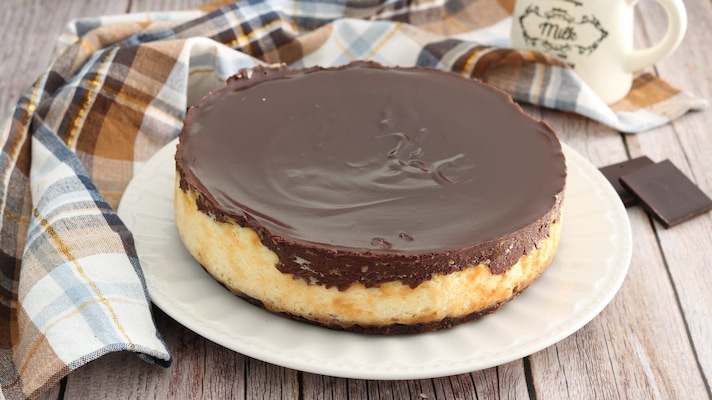
Custard-based bakes are emulsified mixtures of dairy and eggs. In the oven, the egg proteins slowly unwind and trap moisture, creating a silky, scoopable texture. However, if eggs spend even a few minutes too long under high heat, they will curdle, separating the water from the solids and leaving you with a cracked, grainy, weeping dessert.
- The Wobble vs. The Slosh: To test a cheesecake or pumpkin pie, gently nudge the side of the baking pan. You are looking for a highly specific movement. If the entire surface moves in large, lazy, liquid waves, it is underbaked. If the surface doesn't move at all, it is overbaked.
- The Perfect Finish: The pie is perfectly done when the outer edges are firm and set, but a small circle in the dead center (about 1 to 2 inches wide) displays a slight, gelatinous wobble—similar to the jiggle of firm gelatin. This central wobble will solidify into a velvety texture as the custard cools and sets in the refrigerator.
3. Deep-Dish Fruit Pies

Fruit pies are incredibly forgiving because they are almost impossible to overbake. Because the fruit filling needs to break down and release its natural pectins to thicken properly, fruit pies require a long, slow roast—often taking anywhere from one to two hours at 350°F (177°C).
- The Pro-Tip: To ensure your bottom crust is beautifully browned and crispy rather than soggy, always bake your fruit pies in a clear glass pie plate. This allows you to visually inspect the undercarriage of the pie before pulling it from the oven.
- What to look for: Never judge a fruit pie by the color of its top crust. Instead, look through the vents or lattice structure directly at the fruit juices. The pie is only done when the fruit liquid in the dead center of the pie is actively bubbling. The bubbles should be thick, slow-moving, and heavy—resembling molten lava. If the juices are thin and rapidly boiling, the thickeners haven't activated yet, and your pie will turn into a watery soup when sliced.
4. Cakes, Muffins, and Quickbreads

While inserting a toothpick into the center of a cake to see if it comes out clean is a classic test, it isn't always foolproof. Piercing a cake repeatedly creates exit wounds for steam, which can cause delicate sponges to collapse. Instead, use visual and tactile cues first.
- The Edge Gap: As a cake finishes baking, the structure tightens and pulls slightly away from the sides of the metal pan. If you see a tiny, uniform gap between the cake and the rim of the pan, you are nearing the finish line.
- The Texture Shift: Raw cake batter is shiny because of the suspended fats (butter or oil). As the proteins and starches set, that shine vanishes. A perfectly cooked cake will have a completely matte, uniform surface texture across the entire top.
- The Touch Test: Lightly press the exact center of the cake with the pad of your index finger. If the cake is done, it will feel firm and spring right back into place, leaving no indentation behind. If your finger leaves a permanent dimple, the interior structure is still wet and needs more time.
5. Brownies and Blondies
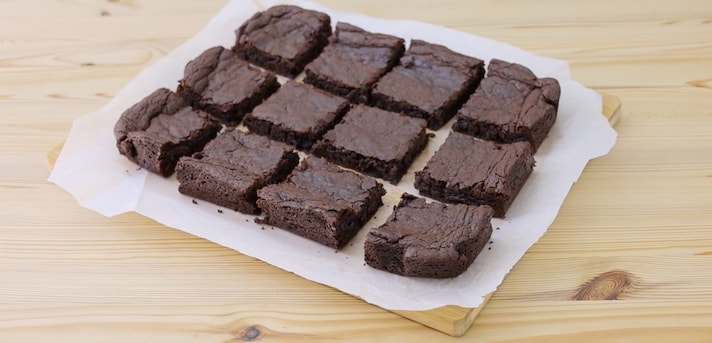
Much like cookies, brownies and blondies must be intentionally underbaked to preserve that coveted, dense, fudgy consistency. If you bake them until a toothpick comes out completely clean, you have officially baked a chocolate cake, not a brownie.
- The Toothpick Target: Insert a toothpick directly into the center of the pan. For a perfect fudgy brownie, the tester should never come out completely clean, nor should it have a wet, greasy smear of raw batter. The sweet spot is a toothpick covered in a few moist, sticky crumbs.
- The Surface Crust: The top of the brownies should have a paper-dry, shiny, crinkled crust, while the edges should feel firm and slightly crispy to the touch. When you lightly press the center, it should feel soft and yield slightly to your finger without springing back at all.
;Resize,width=767;)
