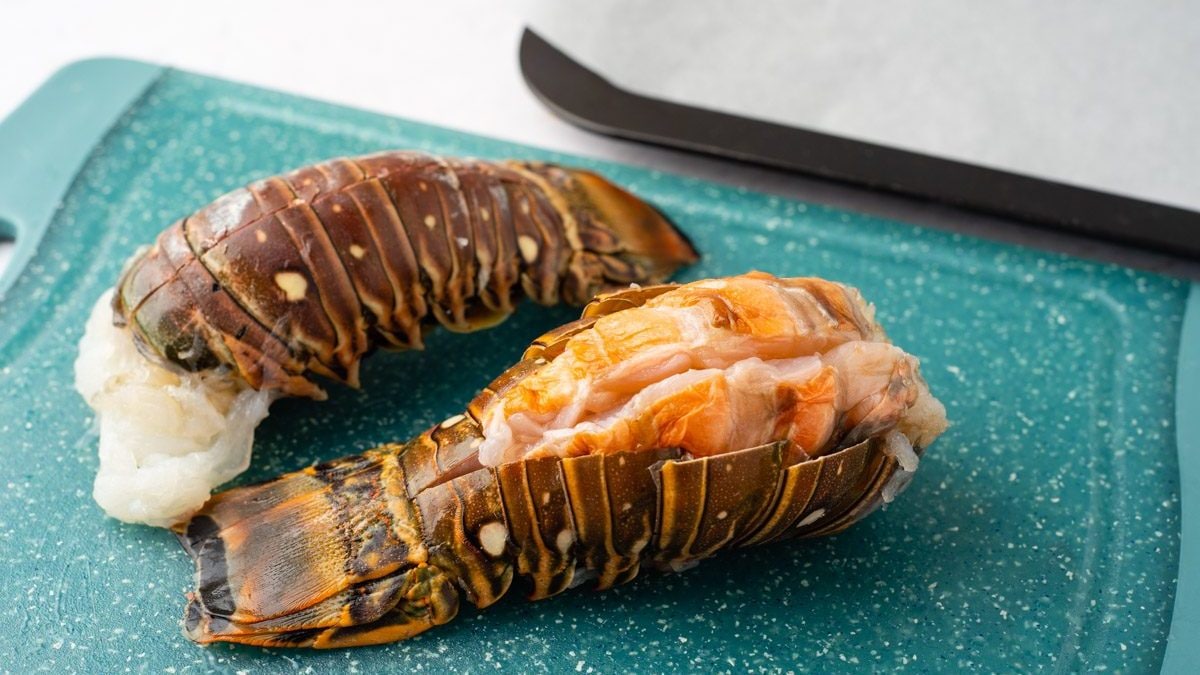
Buying lobster tails for dinner is a certified power move. Whether you’re celebrating an anniversary, hosting a fancy date night, or just treating yourself because it was a brutal week at work, lobster elevates the table instantly. But because it’s a premium ingredient, the pressure is on.
The biggest mistake home cooks make happens before the heat even touches the pan: improper thawing.
If you rush the defrosting process, you run the risk of uneven cooking, a rubbery or mushy texture, or worse, an accidental food safety hazard. To get that sweet, buttery, restaurant-quality bite, you need a controlled thaw. Here is how to do it perfectly, whether you have 24 hours or 45 minutes.
How to Defrost Lobster Tails
If you're standing in the grocery store aisle or looking at your freezer right now, here is your quick-reference guide:
- The Best Method (Overnight): Place the tails on a plate in the refrigerator for 12 to 24 hours.
- The Express Method (Same-Day): Seal tails in a leak-proof bag, submerge them in cold water, and change the water every 15 minutes for roughly 30 to 60 minutes.
- The Golden Rule: Never use hot water, never microwave them, and always cut open vacuum-sealed packaging before thawing.
1: The Refrigerator Thaw (The Chef’s Choice)
If you have the luxury of time, this is the absolute best way to thaw lobster tails. A slow, cold thaw allows the ice crystals inside the meat to melt gently, retaining all the natural juices and keeping the texture pristine.
- If your lobster tails came vacuum-sealed, snip the plastic open. (More on why this matters below!).
- Place the tails on a rimmed baking sheet or a paper-towel-lined plate. As they thaw, they will release liquid, and you don’t want seafood juices dripping onto your refrigerator shelves.
- Place the plate on the bottom shelf of your fridge. Leave them for 12 to 24 hours depending on the size of the tails (larger 10-ounce tails will need the full 24 hours).
- Once completely thawed in the fridge, lobster tails can safely hang out there for up to 48 hours before you have to cook them.
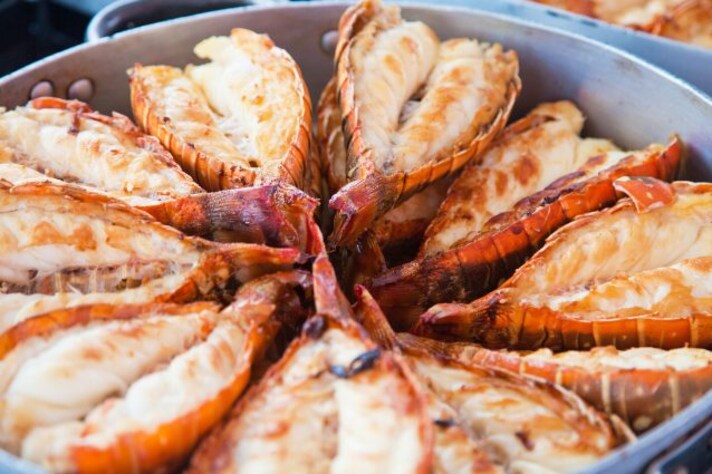
2: The Cold Water Submersion (The Panic Option)
We’ve all been there: guests are arriving in two hours, and your lobster tails are still rock-hard bricks of ice. Do not panic, and do not reach for the microwave. The cold water method is safe, fast, and highly effective.
- Place the frozen lobster tails inside a heavy-duty, leak-proof Ziploc bag. Squeeze out as much air as possible and seal it tight. You want the cold temperature to transfer, but you don't want the meat to become waterlogged.
- Fill a large bowl with cold tap water. Submerge the bagged lobster completely. If the bag floats, weigh it down with a heavy plate or a canned good.
- Every 15 minutes, dump out the water and refill the bowl with fresh, cold water. This keeps the temperature safely low while ensuring the thawing process doesn't stall.
- Small tails (3 to 6 ounces) will thaw in about 30 to 45 minutes. Extra-large tails may take up to an hour or slightly longer.
3 Mistakes That Will Ruin Your Lobster
Lobster meat is delicate. Treat it roughly, and it will punish you by turning into expensive, rubbery tire meat. Avoid these three common pitfalls at all costs.
Avoid using the microwave because they heat unevenly. They will inevitably start cooking the thin edges of the lobster tail while the center stays frozen, yielding a disastrously chewy texture. Using warm or hot water speeds things up, but it actively breeds bacteria and unevenly shocks the meat, making it waterlogged and mushy. Thawing in a sealed vacuum bag is also a major food safety hazard. When fish or seafood is thawed in an oxygen-free (anaerobic) vacuum seal, it creates the perfect environment for a rare but dangerous bacterium called Clostridium botulinum to wake up. Always puncture or remove the vacuum wrap before defrosting.
How to Know When Your Lobster is Ready to Cook
Before you start steaming, broiling, or grilling, give your lobster tails a quick status check. Pick up the tail and gently bend it. The shell should feel flexible, and the exposed meat should feel completely soft and pliable to the touch, with no remaining icy cores. If it feels rigid, give it another 15 minutes in the cold water bath. Once fully thawed, use a paper towel to pat the meat completely dry. Removing excess surface moisture is the secret to getting a gorgeous, golden-brown sear if you're broiling or grilling with garlic butter.
;Resize,width=767;)
