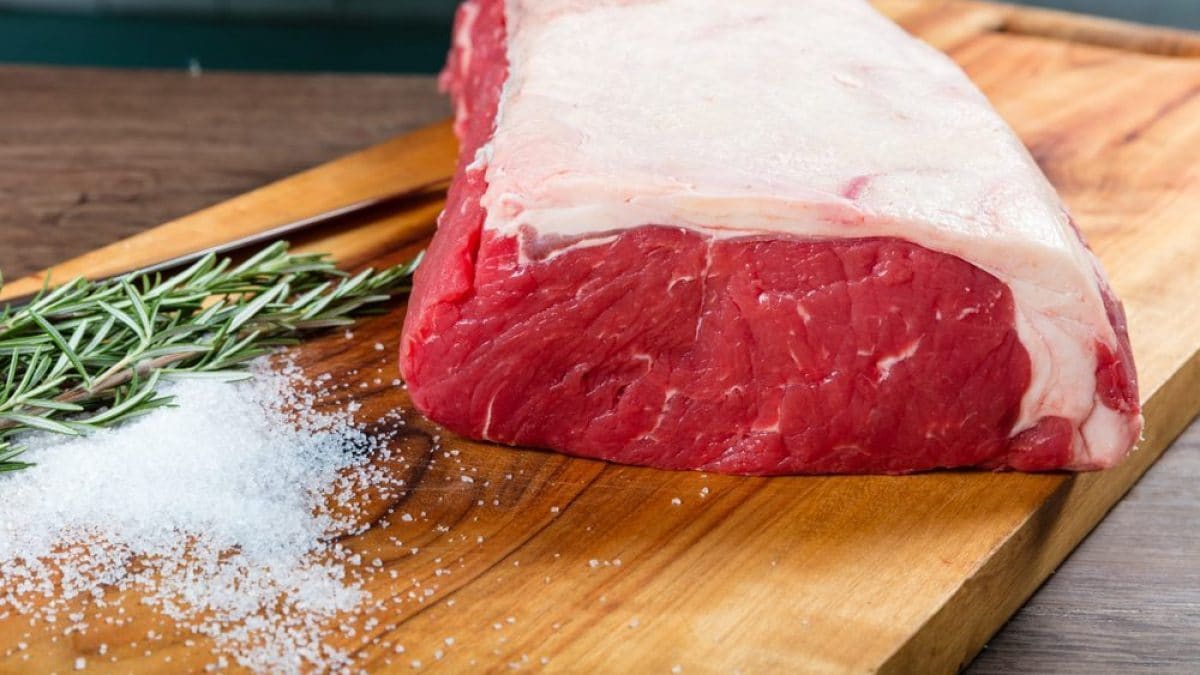
Beef sirloin is one of the most iconic cuts of the loin and one of the most used in everyday and professional cooking. It comes from the outer part of the bovine's back, opposite the tenderloin, and is characterized by a more compact grain and a natural presence of intramuscular fat, elements that directly affect flavor and cooking performance.
Unlike the fillet, which focuses almost exclusively on tenderness, the sirloin offers a more pronounced flavor profile and greater juiciness. The marbling, though moderate, contributes to the development of aromas during cooking and makes this cut more tolerant to high temperatures and small errors in heat management.
For these reasons, the sirloin is often considered a “balanced” cut: less rich than the rib eye, but more flavorful than the fillet; less delicate, but more versatile. It is a frequent choice for the grill and griddle, but also lends itself well to pan-fried preparations and cuts, offering a consistent yield and reliable results even in non-professional contexts.
What is The Sirloin Made of and Where is It Found?
Beef sirloin is one of the most popular cuts used in both restaurants and home cooking. It comes from the outer part of the loin, opposite the tenderloin, and is characterized by a more structured grain and a moderate amount of intramuscular fat, which contributes significantly to its flavor.
It's a cut that strikes a balance: less tender than the fillet, but decidedly more flavorful; less rich than the rib-eye, but more even and easier to handle. Precisely because of this combination of characteristics, the sirloin is often chosen as a "rational" alternative to more prestigious cuts, capable of offering intense flavor, juiciness, and versatility without being overdone.
In Anglo-Saxon countries, the sirloin is called sirloin steak or striploin, in France it is known as faux -filet, and in Germany as rumpsteak. These are different names that identify the same anatomical portion: the external part of the loin.
A Noble Cut of The Loin
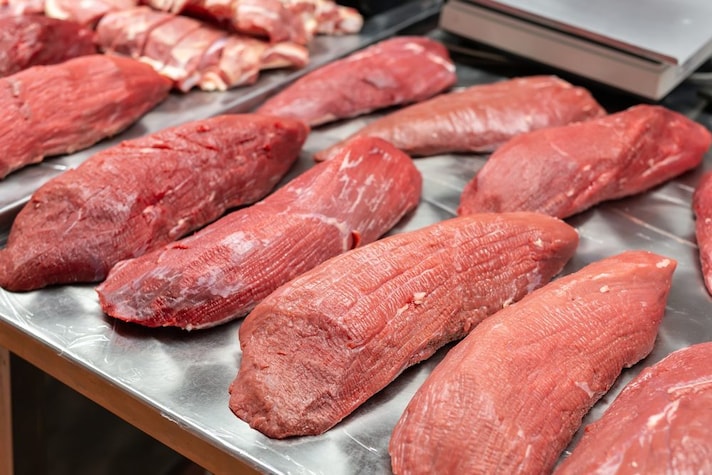
The sirloin comes from the loin of the beef, the same anatomical area as the tenderloin and rib eye. Unlike the tenderloin, however, it is a muscle that is more involved in movement, and this is reflected in its more compact fiber and slightly firmer consistency.
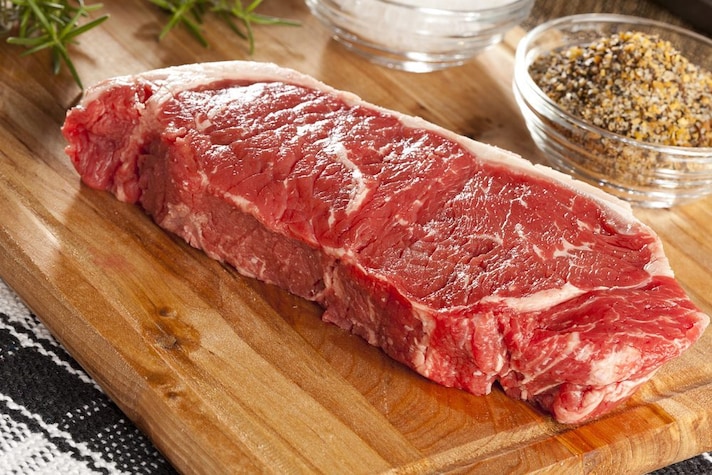
The presence of fat is one of its distinguishing features: it's not abundant marbling, but just enough to ensure flavor and protect the meat during cooking. A band of fat is often present on the outside, which, if properly managed, helps keep the meat juicy and aromatic. Classified as a prime cut, the sirloin is prized for its even texture and ease of portioning, characteristics that make it particularly suitable for express cooking.
Nutritionally, the sirloin has a higher fat content than the tenderloin, but it's still a balanced cut. It provides high-quality protein, easily absorbed iron, and B vitamins, essential for energy metabolism.
The presence of intramuscular fat, in addition to improving the flavor, contributes to a greater tolerance during cooking, making it less susceptible to errors than leaner cuts.
How to Use Beef Sirloin in The Kitchen
Sirloin is a cut that thrives with short, high-temperature cooking. Its structure makes it ideal for direct preparation, where the intense heat promotes the Maillard reaction and the development of flavors.
1. Direct Cooking at High Temperature
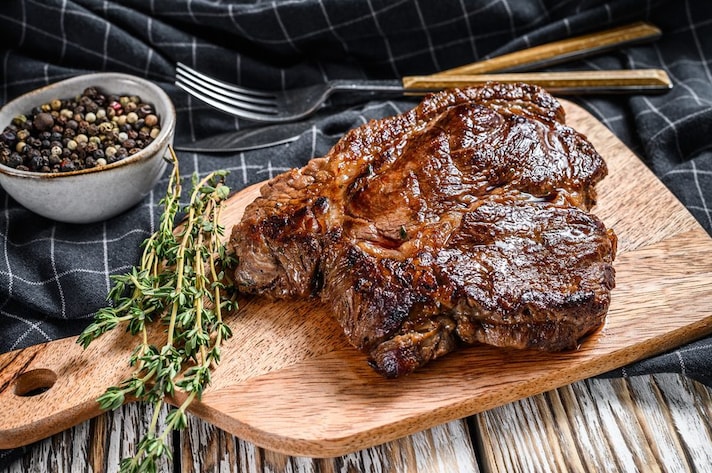
Grilling and pan-grilling are the most immediate uses for sirloin. The intense heat promotes a rapid Maillard reaction, creating a flavorful crust while the interior remains pink and juicy. This essential preparation method enhances the quality of the meat without compromise: it's the ideal setting for a grilled sirloin steak or a grilled sirloin seasoned with salt and rosemary, served simply with a drizzle of raw olive oil after resting.
2. Pan-Frying With Aromatic Control
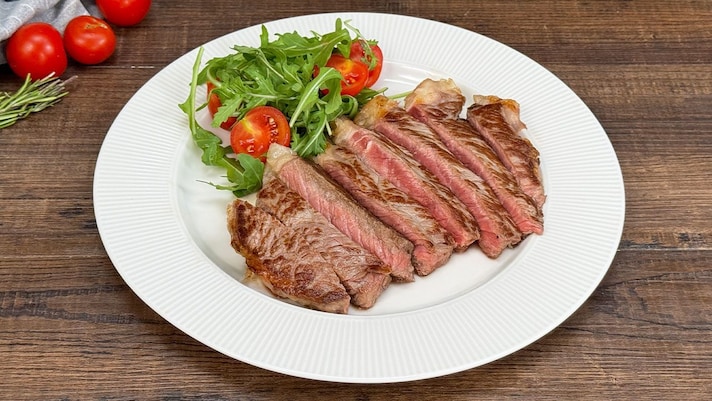
The pan allows for more precise control of temperature and flavor: beef tagliata is the most classic recipe in this case. The sirloin is quickly browned and finished with butter, herbs, or light spices, resulting in juicy meat with a more rounded flavor profile. It's the perfect technique for preparations like sirloin with butter, garlic, and thyme, or a more "classic" version like sirloin with green pepper, where the meat remains the protagonist but gains complexity thanks to the cooking juices.
3. Quick Preparations in Pieces
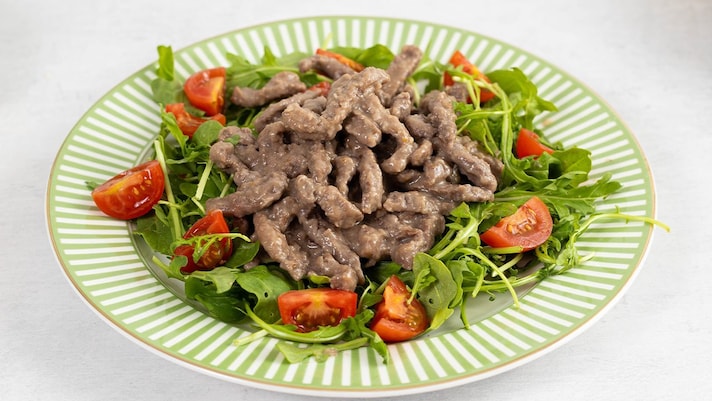
Cut into strips, bite-sized pieces, or thick slices, sirloin is perfect for quick cooking. Its compact fiber ensures tenderness even without prolonged marinating. This form makes it ideal for quick and easy dishes like sirloin strips with arugula and parmesan shavings, or for pan-fried morsels, such as sirloin with mushrooms or crunchy vegetables, where intense flavor and quick cooking are desired.
4. Raw Preparations
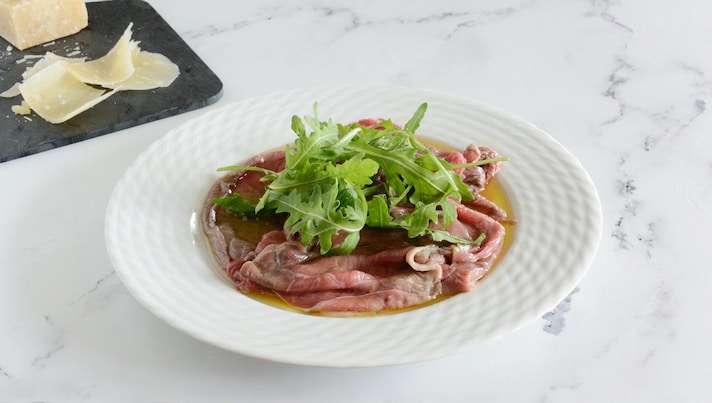
Made with high-quality ingredients, sirloin is ideal for tartare and carpaccio. Its compact structure allows for a clean cut and a distinct chew, offering a more intense flavor than more delicate cuts: it's perfect for a hand-grilled sirloin tartare (perhaps with capers and delicate mustard) or for a sirloin carpaccio seasoned simply with oil, lemon, and salt.
5. Quick-Cooking Stuffed Preparations and Rolls
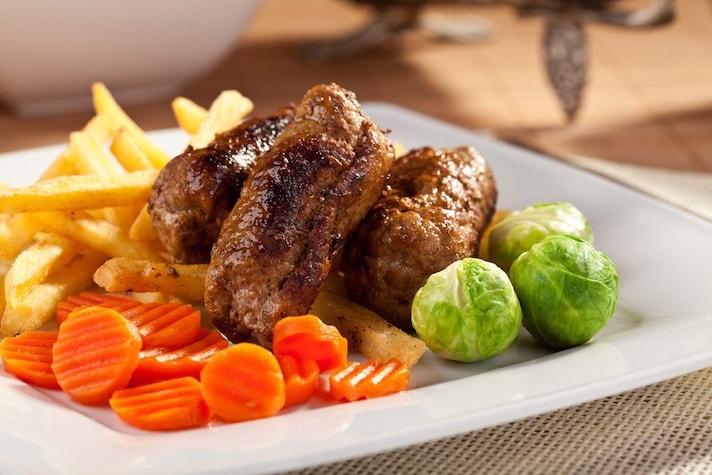
Thinly sliced, it lends itself to quick-cooking roulades and rolls. The meat holds together well and supports light fillings, becoming a structural part of the dish: this is the case with sirloin rolls with herbs and fresh cheese, or with smaller, more savory dishes like rolls with speck and scamorza, best browned quickly and served piping hot.
Sirloin Vs. Fillet Vs. Filet Mignon Vs. Rib Eye Vs. Entrecôte
The most obvious comparison is with beef tenderloin, from which the sirloin is distinguished by a greater intensity of flavor and a more structured texture. The tenderloin is extremely tender, but also more delicate and less forgiving during cooking; the sirloin, on the other hand, offers a more decisive chew, a more pronounced juiciness, and a more consistent yield, especially when cooked quickly at high temperatures. The filet mignon, often mentioned in the same context, is not an alternative cut but a specific portion of the tenderloin, corresponding to the more regular and uniform central part. Compared to the fillet and filet mignon, the sirloin is less refined in texture, but decidedly more generous in flavor and more versatile in the kitchen.
Along with the sirloin, the rib eye is often mentioned, although it is sometimes confused with the sirloin. In reality, it is a different cut, located further forward, characterized by more pronounced marbling and a less regular grain. The rib eye is richer and fattier, with an intense flavor, but less "clean" when cut than the sirloin, which remains more balanced and defined.
Finally, the term entrecôte does not indicate a specific anatomical cut, but rather a gastronomic name. Traditionally, it refers to a boneless steak obtained from the deboned rib eye and, depending on the case, can coincide with a slice of sirloin or flank steak. It is therefore a commercial name that describes the type of steak rather than its exact anatomical origin.
How to Choose Sirloin at The Butcher
A good sirloin is recognized by its bright, uniform red color, compact grain, and fine but visible marbling. The fat should be light and evenly distributed, not yellowed. The ideal slice is at least 2-3 centimeters thick, to allow for proper external browning without compromising the internal juiciness.
Choose the Sirloin If…
- you want tasty and juicy meat, thanks to the presence of intramuscular fat;
- you're looking for a cut that easily develops a well-browned surface without losing too much juice;
- you want meat that maintains good juiciness even at high temperatures;
- you are looking for a versatile cut, suitable for steaks, cuts and express preparations;
- you need a meat that is more forgiving to cooking errors than the fillet.
Don't Choose the Sirloin If…
- you are looking for the greatest possible tenderness and an extremely soft fibre like that of the fillet;
- plan for long, moist cooking methods, such as braising or stewing, which require a greater presence of collagen;
- you want very lean meat, free of visible fat;
- you prefer a very delicate and slightly structured consistency;
- you are looking for a specific cut for particularly refined raw preparations.
;Resize,width=767;)
