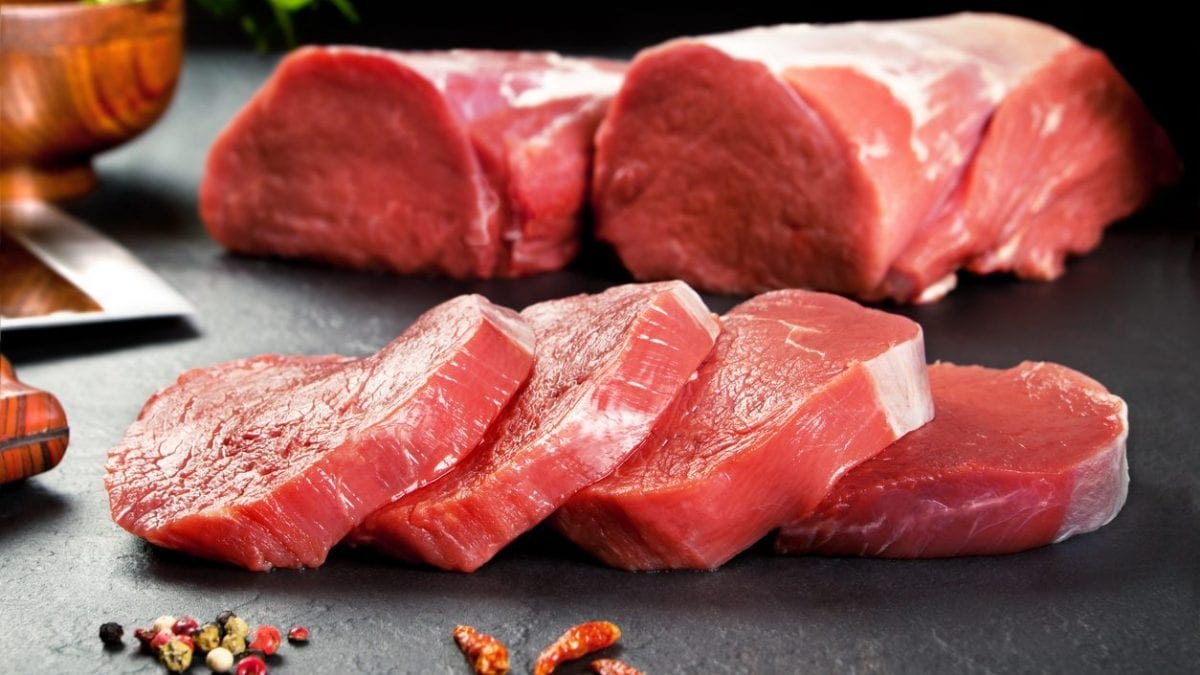
Beef tenderloin is considered the most tender and prized cut of beef. It comes from the inner part of the loin, an area that receives little stress during the animal's life, and it is precisely this anatomical characteristic that determines its particularly tender consistency and extremely fine fiber. It is an extremely lean cut, with almost no connective tissue or intramuscular fat, prized above all for its tenderness.
Unlike other prime cuts of beef, tenderloin isn't known for its aromatic intensity, but for its balance and clean flavor. Its structure makes it ideal for quick, precise cooking, but it's less suited to long or aggressive preparations. For this very reason, it requires careful management of heat and timing: overcooking quickly compromises juiciness and tenderness.
Used in both professional catering and home cooking, fillet is the cut of choice when seeking an elegant, light, and easily digestible meat. It is suitable for preparations au naturel, raw, or with subtle combinations that do not overshadow its intrinsic characteristics.
How is Beef Tenderloin Made?
Beef tenderloin comes from the inner part of the loin, an area that receives very little activity during the animal's life, and it is precisely this inactivity that makes it so tender, almost buttery when cut. It is the softest muscle of all, the one that offers no resistance to the knife or the bite, but which requires care to avoid being betrayed by aggressive cooking.
Also known as filet, tenderloin, or fillet in English, the tenderloin is one of the most prized cuts of beef, not so much for its aromatic intensity as for its fine fiber and clean flavor. It's not a meat that impresses with its power, but rather its balance. It's the cut of choice when you want impeccable texture, an almost imperceptible chew, and a sensation of lightness even in the most substantial dishes.

Unlike many other "noble" cuts, fillet is low in fat and almost devoid of connective tissue. This makes it extremely tender, but also more vulnerable: there is no collagen or marbling to compensate for temperature or timing errors. Fillet is unforgiving, but when handled with care, it offers one of the most elegant experiences in meat cooking.
The Most Prized Cut of The Loin
The tenderloin is located under the vertebral column, protected by the bones and away from the most stressed parts of the bovine. It is a long, tapered muscle that tapers toward the end, ideally divided into three parts: head, heart, and tail. The heart is the most regular and prized section, the one from which the classic medallions are obtained.
Classified as a premium cut, the fillet has a very fine, compact, and uniform grain. The color is a light, bright red, a sign of young, well-aged meat. To the touch, it is soft, almost yielding, free of visible sinew or pronounced veining.
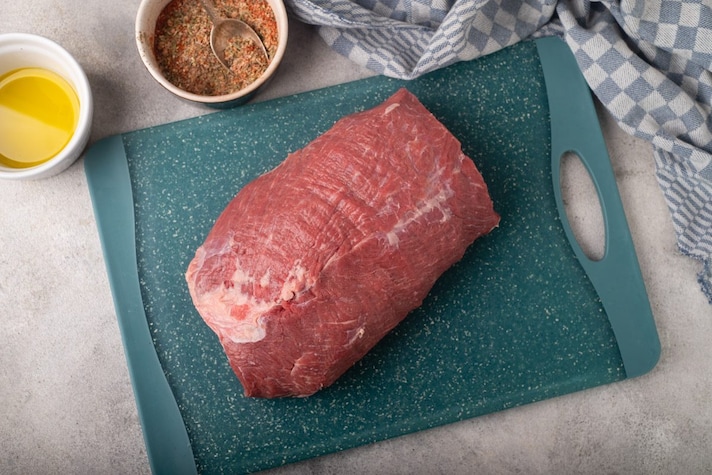
Beef Tenderloin's Nutritional Profile
Beef tenderloin is a perfect example of nutritional balance: lean but not excessively dry, high in protein but not lacking in tenderness. It contains an average of 21 grams of protein per 100 grams, with a fat content of around 3–4 grams —slightly higher than topside, but sufficient to offer more juiciness and aroma. Its calorie content is low, around 120–130 kcal, making it suitable for balanced diets or controlled protein regimens.
From a micronutritional point of view, walnuts are rich in heme iron (easily assimilated), zinc, selenium, phosphorus and B vitamins, in particular B12 and niacin, essential nutrients for muscle and nerve function.
How to Use Beef Tenderloin in The Kitchen
Beef tenderloin is a cut that thrives when cooked briefly and carefully. The almost total absence of fat and connective tissue makes it extremely tender, but at the same time, it is sensitive to high temperatures and prolonged cooking. For this reason, it is best served rare or, at most, pink: overcooking quickly compromises its juiciness and tenderness.
1. Medallions and Quick Cooking
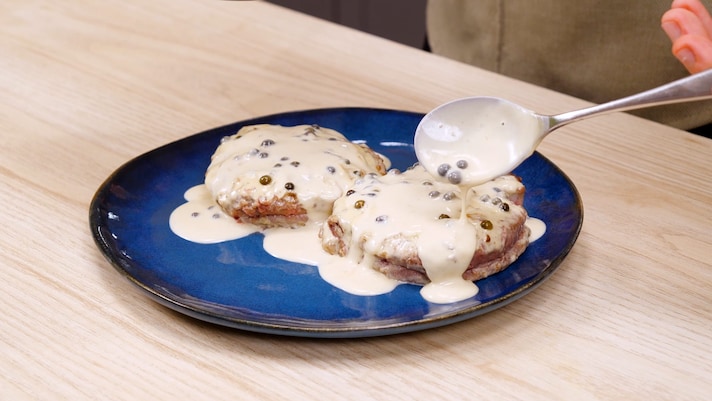
The simplest preparation is also one of the most effective. Cut into evenly sized medallions and quickly pan-seared or grilled, the fillet requires just a few ingredients to be truly exquisite: salt, pepper, and a final drizzle of butter or extra virgin olive oil. It's a popular choice in restaurants because it allows you to fully appreciate the quality of the meat, without any aromatic interference.
A classic dish for medallions is fillet with green peppercorns, where the tenderness of the meat is balanced by a creamy, aromatic sauce made with cream, stock, and lightly crushed peppercorns. It's an example of how fillet can withstand subtle yet subtle sauces, as long as they remain balanced and not excessively fatty.
2. In a Crust as Per Tradition
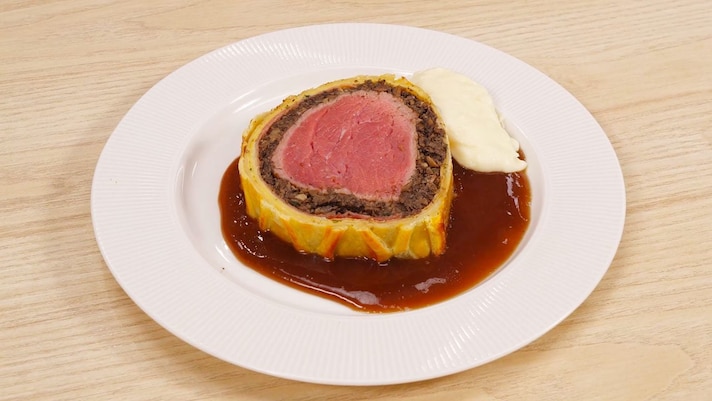
Despite being a delicate cut, fillet is also the protagonist of some historic international cuisines. The most famous is Beef Wellington, a recipe of Anglo-Saxon origin in which the meat is wrapped in minced mushrooms, prosciutto, and puff pastry, creating a protective layer that limits the loss of juices and allows for more even cooking. In this case, the crust has a technical as well as gastronomic function, shielding the fillet from direct heat.
3. Light Sauces and Controlled Accompaniments
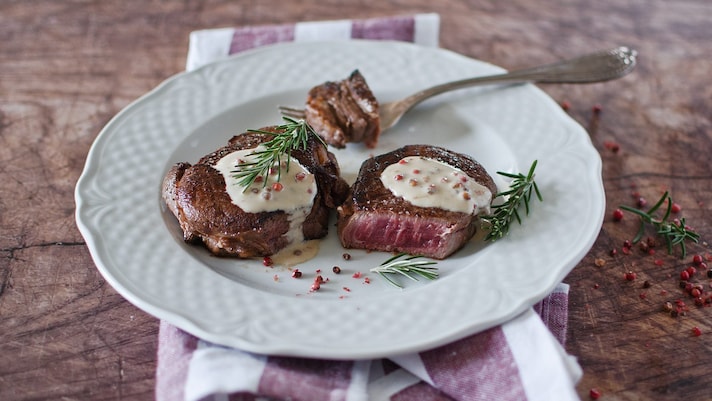
In general, fillet prefers moderate seasonings: wine reductions, light stocks, sweet mustard, or herb-based sauces are preferable to overly rich or aggressive preparations. The goal is not to overpower the flavor of the meat, but to complement and complement it.
4. Carpaccio and Tartare
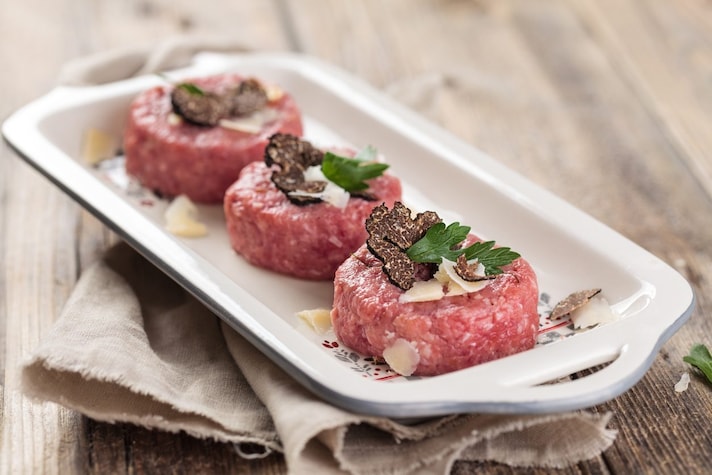
The fine, even texture of the fillet makes it particularly suitable for raw consumption. In carpaccio, sliced very thinly, it offers a soft, even texture; in tartare, pounded with a knife, it guarantees a clean, silky result. In both cases, it's essential to start with the freshest, highest-quality meat, enhanced with essential seasonings that respect its delicate profile.
Tenderloin Vs. Sirloin Vs. Filet Mignon
Beef tenderloin is often compared to sirloin, but the two cuts serve very different purposes. Tenderloin is distinguished by its superior tenderness and fine grain, while sirloin, derived from the outer part of the loin, has greater marbling and a firmer texture. This translates into a more intense flavor and better results when grilled or pan-fried, where the fat contributes to aroma and juiciness.
Filet mignon is not a separate cut, but a specific portion of the tenderloin: the central part, the most regular and prized, from which small, perfectly cylindrical medallions are obtained. Compared to the whole tenderloin, filet mignon offers the same extreme tenderness, but with a smaller size and a more uniform presentation, which is why it is often used in restaurants for quick cooking and elegant plating.
How to Choose Beef Tenderloin at The Butcher's
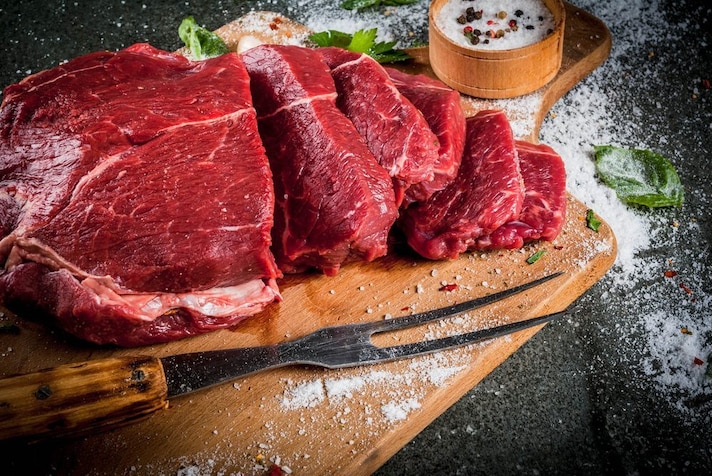
A quality fillet is immediately recognizable. The color should be a light, uniform red, never dark or dull. The surface should appear smooth, compact, and slightly moist but not wet.
Shape is important: a good fillet is even, without excessive narrowing, with fine, continuous grain. An almost total absence of fat is normal, but the meat should not appear dry or washed-out.
Choose the Tenderloin If
- you're looking for the greatest possible tenderness, with very fine fiber and minimal chewing;
- you want an elegant and light meat, lean and easily digestible;
- plan for short, controlled cooking times, such as in a pan, grill, or oven at a precise temperature;
- you intend to use it raw, in carpaccio or tartare, starting from a high-quality raw material;
- you want a uniform yield and a clean presentation on the plate.
Don't Choose the Tenderloin If
- you want an intense and strong flavor, rich in fatty aromas
- plan for long or moist cooking, such as braising or stewing
- you are looking for a meat that is tolerant to cooking errors, that remains juicy even if you exceed the cooking times
- you want a more structured consistency and a firmer chew
- you are cooking without precise temperature control, a situation in which sirloin or rib eye are more suitable
;Resize,width=767;)
