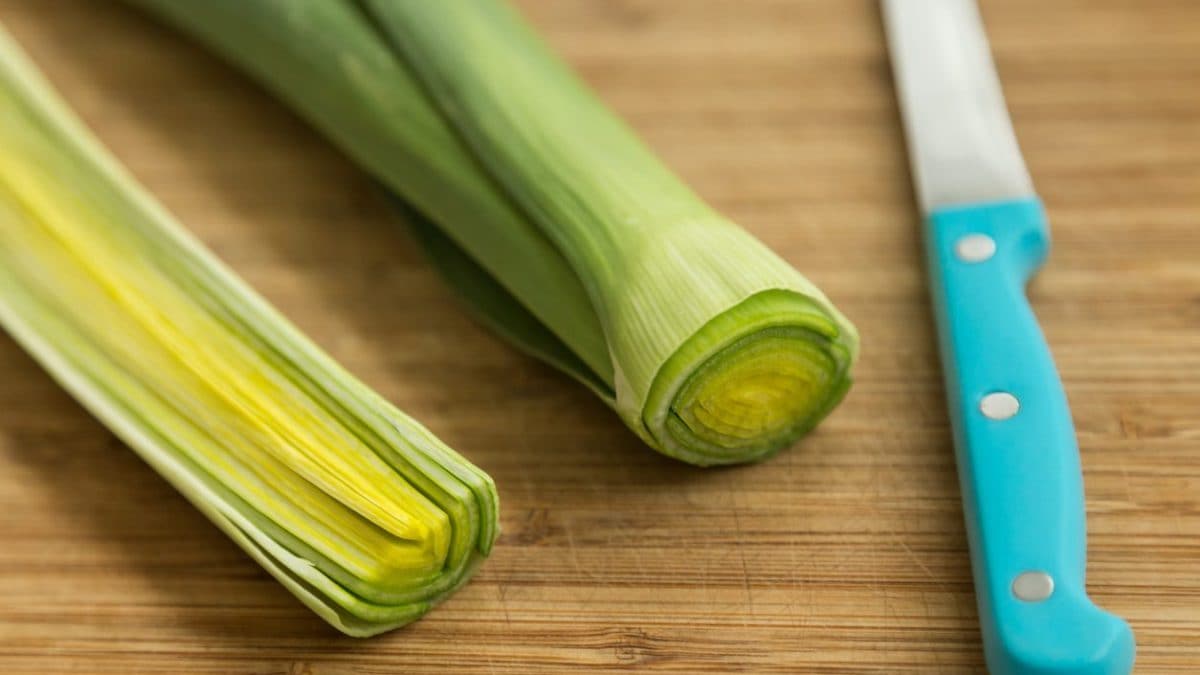
The leek belongs to the same family as garlic and onion, but has a delicate and slightly sweet flavor that makes it more gentle, suitable for many preparations, from cream soups and risottos to savory pies and soffrittos, lending a touch of refinement. As with many vegetables, recipes tend to favor its most valuable part, the white part of the stem, and yet, from an anti-waste perspective, even scraps become precious ingredients to be recovered: let's discover them and how to bring them to the table in many different ways in the name of recycling.
Which Parts of The Leek Are Usually Discarded (And Why They Shouldn't Be)
When cooking leeks, the most prized part is their white heart, with its delicate flavor, tender texture, and sweet, subtle aroma. The long, dark leaves at the top, the outer green sheaths, and the root tips usually end up in the trash: in reality, practically all of this vegetable is eaten, except the final beard. Just like with other vegetables, from broccoli to asparagus, these are often the more fibrous parts, which require a little more care to be used, but they are much easier and more versatile to use than you might think.
How to Clean and Use the Green Parts of The Leek
The treatment of the green parts of the leek follows the classic vegetable method, which is characterized by a layered cylindrical structure, where soil residues often nest. Once you have obtained the stem section, the protagonist of many recipes because it is so valuable, you can then dedicate yourself to the scraps (which are not scraps) by cleaning them thoroughly: for the leaves, the simplest way is to separate them one by one and rinse under running water, rubbing gently with your fingers, then pat dry well with kitchen paper or a cloth. At this point, you can cut them into pieces or strips, or leave them whole, and proceed to use them in different ways: below, we suggest six, perfect for every need.
1. Versatile Broths

One of the simplest ways to reuse scraps is to make a vegetable, meat, or fish broth, which can be used in a variety of recipes, from risottos to roasts to stir-fried vegetables. An even more recycling-friendly idea is to set them aside, combining them with other scraps, from carrot peels to artichoke stems (depending on the season), and store them together, even in the freezer, for use when needed.
2. Omelette

Omelette is a recipe that's never out of place when it comes to using up scraps and leftovers. And leeks are certainly no exception. How do you make it? Cut the leaves into strips and sauté them in a pan with a drizzle of oil and chopped onion until soft. After beating the eggs with salt, pepper (and Parmesan cheese, if desired), add the leaves and stir, then cook in the same pan like a classic frittata. You can also add cubes of salami, pancetta, and speck, or chunks of cheese like provola or scamorza, for a tastier and more stringy filling.
3. Pesto

The green parts of leeks are ideal for making rustic, quick and easy pestos. Unlike traditional pesto, the advice here is to avoid using the main ingredient raw (as is done with basil), but to blanch it briefly in salted water, drain, and then blend it with extra virgin olive oil, dried fruit such as almonds and walnuts, and a little grated cheese for added flavor and creaminess. Pesto is excellent spread on crostini, as a filling for lasagna, or even served as a dip with grilled vegetables.
4. Flavored Oil

If you enjoy making homemade aromatic oils, leek leaves are also a great option, as they release their distinctive flavor. After washing and drying them thoroughly, chop them into small pieces and heat them over low heat in a small saucepan with extra virgin olive oil. It's important to keep the heat very low, so you don't start to fry. After a few minutes, turn off the heat and let it cool, then strain the oil and transfer it to sterilized jars. The result is a fragrant condiment that can be used for baked vegetables, soups, creams, bruschetta, and fish dishes.
5. Crispy Fried Leeks

The leaves can also be transformed into a crunchy and tasty garnish. Simply cut them into very thin strips and dry them well. Then, fry them briefly in hot oil: in a matter of seconds, they become brown and crunchy. Drain them on paper towels, as they tend to absorb oil. Season lightly with salt and then use them as a garnish for soups or risottos, as they add a fragrant note and an intense yet delicate leek aroma.
6. Rolls

We conclude with a practical and effective solution: the upper leaves can be used as wrapping to bring delicious rolls to the table, just like you would with cabbage or vine leaves. Before stuffing them, it's best to blanch them for a minute or two in boiling water, so they become softer and easier to wrap. Once cooled, they are ready to contain a wide variety of fillings, from minced meat to rice, including ham and cheese, forming little parcels to be cooked in the oven or in a pan.
;Resize,width=767;)
