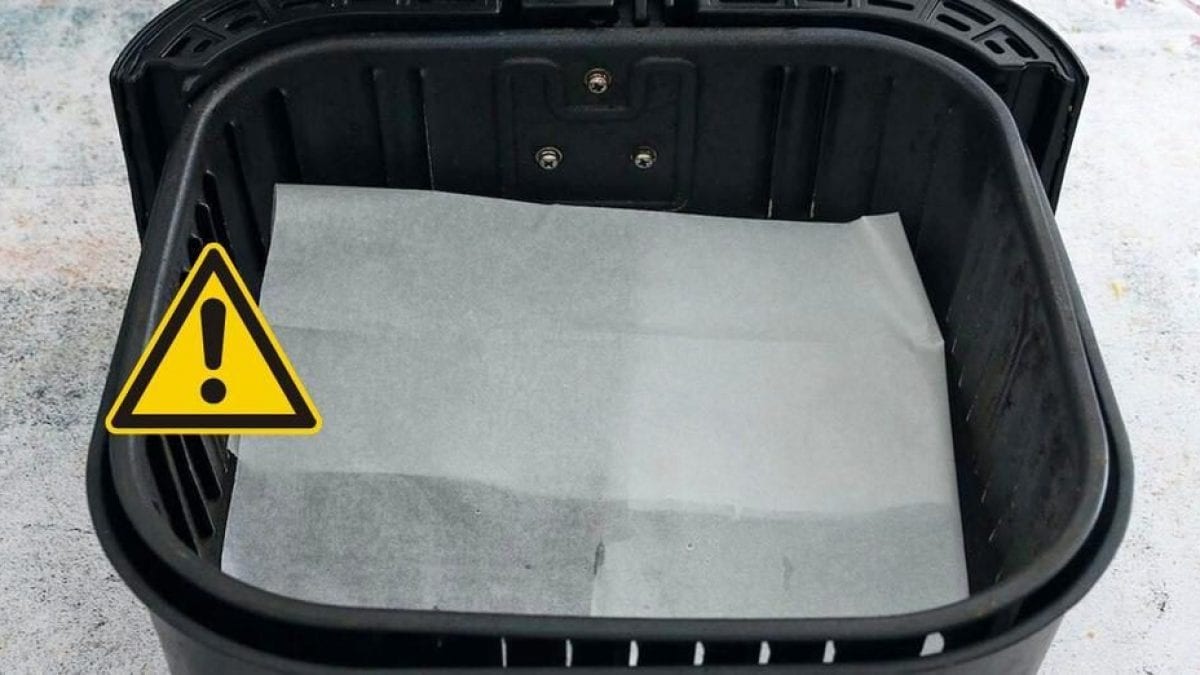
The air fryer is an appliance that has quickly proven to be very useful: from simple French fries, which its inventor was fond of, to cake, the step was short. The recipes that can be made with great convenience and optimizing time seem truly endless, so much so that it has become (almost) a valid substitute for the oven, with which it shares several characteristics, starting with the convection cooking method.
Precisely because of its popularity, air fryers are constantly being debated: how to clean them, how to best use them, and, in particular, whether they can be used with accessories we're used to traditionally preparing the same dishes, such as parchment paper. Whether or not to use parchment paper is still a hotly debated question: does it make less mess, or does it? Does it ruin the way food is cooked, or is that too overkill? The truth, as is often the case, lies somewhere in between: its use depends primarily on the type of dishes you want to serve and a few other details to consider.
How to Best Use Parchment Paper in The Air Fryer
Among the most frequently asked questions, including those found in the instruction and product manuals for your model, you may find one regarding the use of parchment paper in an air fryer. After conducting various comparisons, it emerged that there is no universal rule that all manufacturers agree on, except one: it is absolutely not recommended to insert parchment paper without food while the fryer is already operating, whether in the preheating or cooking phase. This is because it risks being sucked into the heating element and burning, causing the appliance to malfunction.
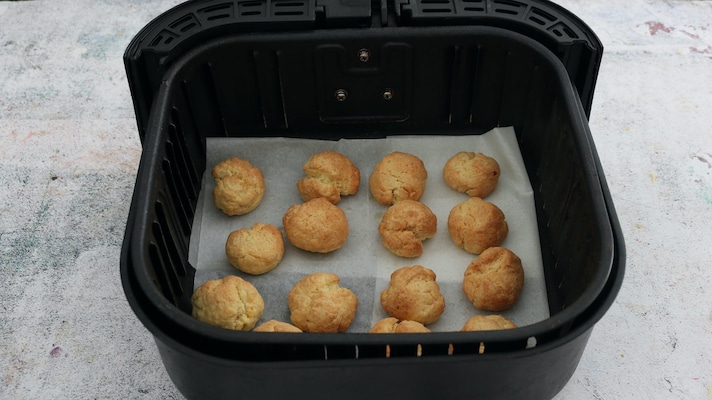
That said, the main determining factor is the type of recipe you're preparing. In what sense? Let's explore it together.
- Crispy foods: We know that the appliance cooks food by circulating heat inside a closed chamber, where the basket is positioned. The passage of air must be uniform to obtain optimal cooking of the food, which is essential when choosing recipes that require crunchiness, such as fried potatoes and calamari, or with a tasty crust on the outside, such as meatballs, chicken nuggets, or salmon croquettes. A sheet of baking paper placed over the grill would impede the proper flow of air, becoming a barrier, worsening the final result. The solution is to use perforated baking paper, which would then respect the initial rules of engagement without the food sticking to the base.
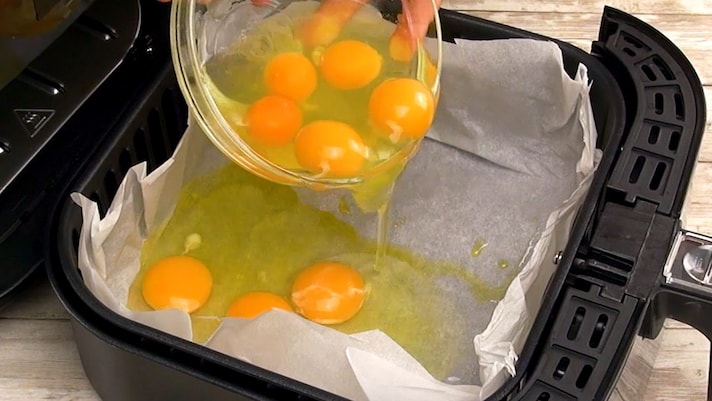
- Soft or liquid foods: A lasagna or a soft dessert aren't defined by their crunchiness. In this case, to contain their melting fillings or soft, liquid doughs, you can use unused parchment paper, cutting it to the size of the basket. The edges should be moderately high to prevent burning, but still large enough to prevent the contents from dripping to the bottom, as in our frittata, for example.
Which Parchment Paper Should You Choose for Your Air Fryer?
Shaping and punching your own parchment paper for air frying isn't always a good idea: as simple as it may seem, there are some recommendations you should follow.
- The cooking temperatures reached can be very high in just a few minutes and some brands recommend checking that the paper used is suitable not only for traditional ovens, but also for microwaves.
- There are several types of parchment paper specifically designed for air fryers, catering to the two different types of foods discussed above. The first is perforated tissue paper, round or square, with different sizes depending on the basket. The second is a perforated tray, available in various shapes and sizes, perfect for collecting sweet or savory liquids or recipes with béchamel sauce and melting cheeses. These types are also perforated, ideal for crispy recipes. Both are sold in kits (usually containing 100 or 200 disposable pieces) and are made of natural material: they are light brown in color, resistant (up to 535°F/280°C), non-stick, waterproof, oil-repellent, and biodegradable.
;Resize,width=767;)
