In recent years, plant-based drinks have become an increasingly common presence in coffee shops and in our kitchens: those based on soy, oats and rice represent some of the most popular alternatives to cow's milk, chosen by those who follow a vegan diet as well as by those who are lactose intolerant or simply want to vary their diet.
While these products were initially used primarily as a substitute for a cup of milk for breakfast or to make desserts, they have now entered—and partly conquered—the world of coffee shops as well. More and more people are ordering cappuccinos, lattes, or other coffee specialties (such as flat whites) made with plant-based ingredients. Achieving a soft, delicious foam or a creamy texture, however, isn't always as simple as with cow's milk. The reason? Plant-based drinks have a different composition, and this affects the final result.
What Does it Mean to Froth Milk, And What Tools Should You Use?
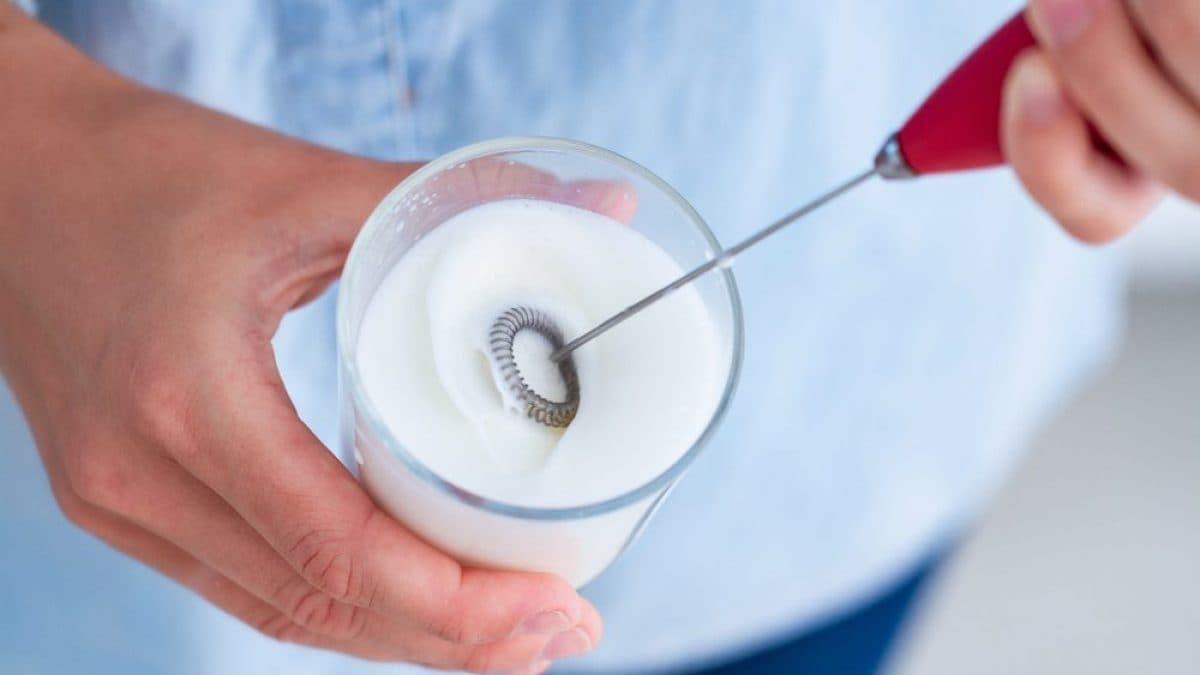
Frothing milk means making it light and voluminous by incorporating air until it turns into a soft foam made up of tiny bubbles. In some cases, frothing is done hot, with the heat helping to achieve a creamier consistency. In coffee shops, the milk is generally heated to a temperature of around 140-150°F/60–65°C, but going above this temperature risks burning it, resulting in an unpleasant flavor. In other cases, frothing is done cold, especially popular during the summer, without heating the milk. The most common tool is the espresso machine's steam wand, which introduces air and heat simultaneously and is familiar to those who own a model with the appropriate accessory at home. At home, it is more common to use electric or manual milk frothers. Alternatively, you can use a whisk or a whisk, or use the homemade "shaken jar" method, useful when you don't have dedicated equipment available. It is always best to start with cold milk from the refrigerator, as is the case with whipping cream: the foam will be much denser and more compact.

Why Cow's Milk Froths Differently From Plant-Based Drinks
The main difference between cow's milk and plant-based drinks is their nutritional composition, specifically the amount and type of proteins and fats. In cow's milk, proteins (3 grams per 100), especially casein, play a fundamental role in foam formation. When the milk is heated and agitated, these proteins denature and arrange themselves around the air bubbles, stabilizing them and preventing them from collapsing quickly. Fats, on the other hand, contribute primarily to the creaminess and overall flavor.
As for plant-based drinks —commonly called "milk" —they generally contain less protein, often around or below 1 gram per 100 ml, with the exception of soy, which has a protein level more similar to cow's milk. Let's take a detailed look at which of the most popular ones on the market work best and which do poorly.
Soy Milk
Soy milk is the closest thing to cow's milk, especially in terms of protein content (around 3 grams). This also makes it the easiest to froth. The foam tends to be stable and creamy, while the flavor is neutral, which is why it is widely used in bars for plant-based cappuccinos.

Oat Milk
In recent years, it has become one of the most popular: oat milk contains a good amount of fiber from the grain it is made from and has a naturally softer consistency than other plant-based drinks. The flavor is slightly sweet. It froths quite well, although the foam can be less firm than that of soy milk.
Almond Milk
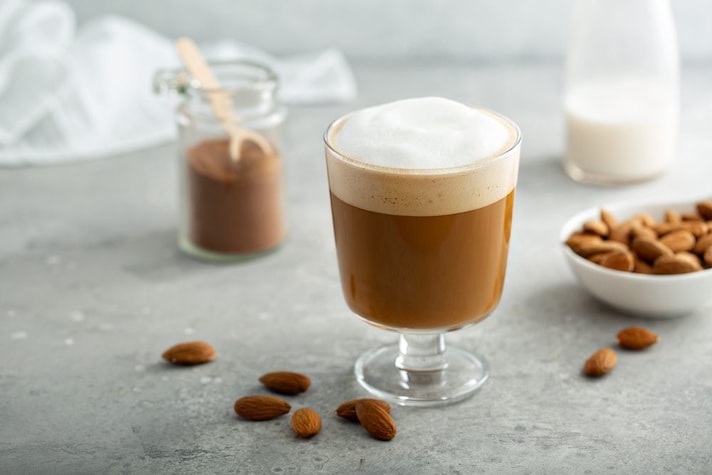
Almond milk is one of the most popular variants, because it is sweet and aromatic: the quantity of proteins is equivalent to that of oat milk (between 0.4 and 0.8 g on average) and can give similar results, but the foam tends to be less stable.
Rice Milk
Rice milk contains little fat and protein, but a higher amount of carbohydrates. This composition makes it very difficult to whip. The foam tends to be thin and disappear quickly.
Coconut Milk
Even so-called coconut milk isn't a good choice for whipping. Its fat and protein ratio (about 1.5 grams of fat and 0.1 gram of protein per 100 ml) doesn't help it increase in volume; however, it still tastes smooth and velvety.
How to Properly Whip Up Plant-Based Drinks
Frothing a plant-based drink requires a little more effort than frothing cow's milk, but with the right technique you can achieve a creamy foam.
- Use the drink cold from the refrigerator, because the contrast with the heat favors the formation of foam.
- Don't exceed 130-140°F/55-60°C, as this temperature tends to deteriorate the foam structure. Soy can withstand temperatures up to 150°F/65°C, making it comparable to cow's milk.
- Incorporate air gradually, especially when using the steam wand.
- Stir lightly before serving, as some components may settle to the bottom.
Today, many brands have introduced "barista" versions, that is, plant-based drinks formulated specifically for the coffee shop. These products are formulated to improve the structure of the foam, often through a more precise balance of proteins and fats, and the addition of natural thickeners and gelling agents (such as chicory root fiber, guar gum, or gellan gum). Household appliances have also evolved: many modern electric milk frothers, easily purchased in kitchenware stores, have specific programs for plant-based drinks, calibrated to handle different consistencies than traditional milk, so you can effortlessly enjoy a perfectly crafted cappuccino.
;Resize,width=767;)
