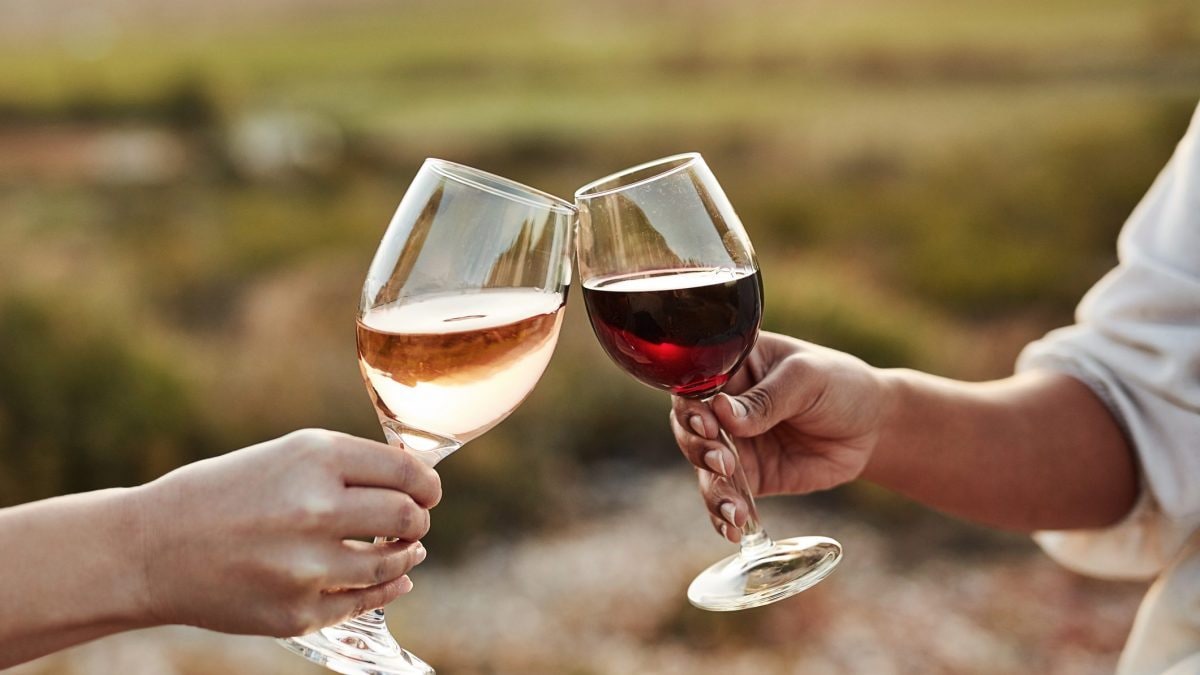
A glass of wine with a platter or a beer accompanied by tarallini and peanuts: it's generally our way of pleasantly ending a day of work or spending time with friends. A habit that seems entirely modern and linked to more recent generations: yet, a recent study conducted by Dartmouth University states that our love of alcohol may have ancient origins – very ancient ones – dating back to our ancestors, as far back as 50 million years ago.
Ethanol-Loving Monkeys
We finally know who's to blame for our current fondness for fine wine and cold beer. A team of researchers from Dartmouth University in New Hampshire discovered, by studying some digestive enzymes of ancestral primates, that our ancestors consumed fermented fruit that naturally contained ethanol as early as 50 million years ago. According to the study reported by the Wall Street Journal, some African apes, 10 million years ago, were able to metabolize alcohol 40 times more easily than other primates, thanks to a mutation in a digestive enzyme. Our penchant for alcohol, therefore, appears to derive from apes, and this is why we "naturally" love wine, beer, and other alcoholic beverages. The researchers went even further, hypothesizing that the beginnings of crop cultivation were geared toward "growing grains for making beer, not bread. Therefore, our brains are programmed to appreciate it."
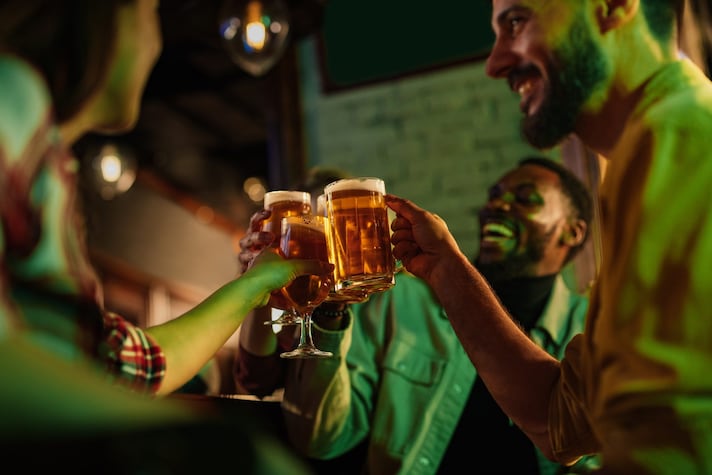
Scientists have also discovered that we inherited a certain aptitude for social life from monkeys: primates, in fact, apparently loved to eat the fruit they had picked in groups, just as we, in the same way, love to drink in company. So, if after a day at work you feel the urge to go to a bar or pub for a beer, you can safely blame the monkeys.
The Drunken Monkey Theory
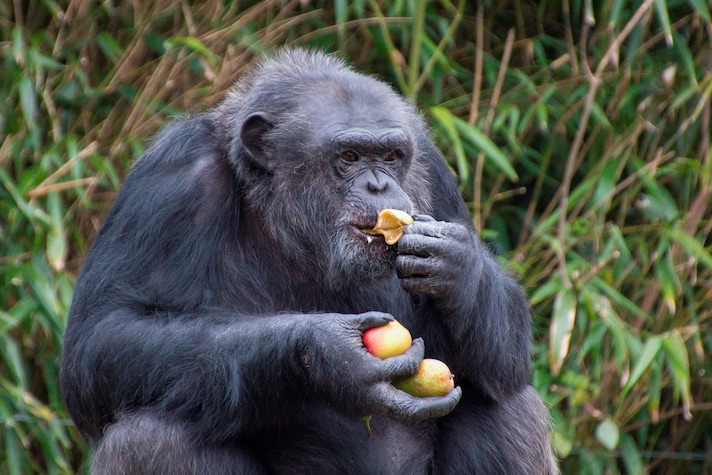
The discovery of this legacy is closely linked to research published just a few months ago in Science Advances and conducted by a team of researchers from the University of Berkeley, which demonstrated that chimpanzees consume the equivalent of almost two drinks a day through fermented fruit. The study started from Professor Robert Dudley's so-called drunken ape hypothesis, according to which our love of alcohol originated millions of years ago. From this assumption, the team conducted studies in the Ivory Coast and Uganda, collecting and analyzing the fruit consumed by the chimpanzees. What they found was an alcohol content of around 0.3%, which implies a consumption of around 14 grams of pure ethanol per day, equivalent to about a pint of beer. Contrary to what you might think, however, this doesn't mean that the apes get drunk: their consumption, in fact, is gradual and occurs throughout the day, unlike ours, which is concentrated in a few hours.
;Resize,width=767;)
