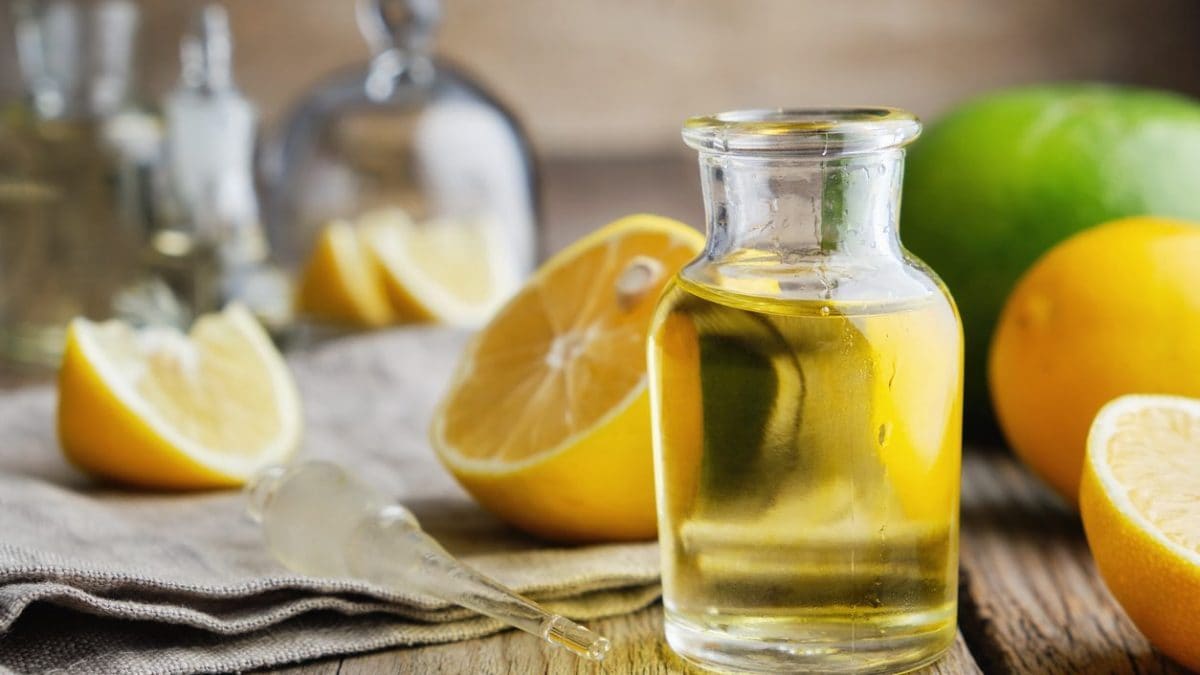
In recent months, a simple yet promising ritual has become popular on social media, wellness blogs, and lifestyle magazines: a nightly "shot" of extra virgin olive oil and lemon juice. All it takes is a few seconds, a tablespoon and half a lemon, to trigger—according to the prevailing narrative— a series of benefits, from digestion and sleep to skin quality and a strengthened immune system. It's one of those practices that perfectly captures the spirit of contemporary wellness: natural, immediate, easily replicated, and above all capable of prompting a rapid and comprehensive improvement in health.
This very simplicity, however, deserves closer scrutiny: when a single daily gesture is presented as a solution to vastly different problems, it's legitimate to question how much truth there is to it and how much is the result of simplified, if not downright misleading, communication. The idea of being able to "activate" the body with a small evening ritual is powerful from a narrative perspective, but it risks overlapping with a much more complex physiological reality. We asked a nutrition biologist to explain why this practice not only doesn't deliver the benefits touted, but is actually misleading.
Does It Really Work?
"This is a trend that originated in the United States, initially linked to the promise of achieving ‘perfect skin,' but it has no solid scientific basis," the nutritionist explained to us. "Including extra virgin olive oil and lemon in meals, for example to dress a salad, is certainly a nutritionally sound choice. Taking them in ‘shot' form is a different matter: in this case, there are no proven additional benefits and you simply risk increasing your daily calorie intake, especially if the oil is also used in main meals." He then emphasizes: "Furthermore, in some people it can cause unwanted gastrointestinal effects. Even the idea that it can improve sleep has no scientific basis: if the goal is to promote evening relaxation, it makes much more sense to opt for a herbal tea."
Why is This Trend so Successful?
The success of this type of content is no coincidence, but rather the result of specific dynamics: on the one hand, there's the appeal of natural ingredients, perceived as intrinsically beneficial and therefore difficult to dispute; on the other, there's the creation of a daily ritual that promises tangible results without requiring structural lifestyle changes. In this sense, the oil and lemon shot fits perfectly into the logic of "health hacks," or small interventions that aim to optimize the body's functioning with minimal effort.
Making it all the more effective is the language used, which evokes concepts like "detox," "purification," and "metabolism activation," widely used terms that often lack precise scientific definitions. This creates a coherent and seductive narrative, in which the simple gesture is associated with the idea of controlling and improving one's body, even in the absence of solid evidence to support them.
What's True and What's Not
To analyze the phenomenon in a balanced way, it's necessary to start with what's actually true. Extra virgin olive oil is a cornerstone of the Mediterranean diet, rich in monounsaturated fatty acids and phenolic compounds that, over the long term, are associated with benefits for cardiovascular health. Lemon, for its part, provides vitamin C and organic acids that can help stimulate the production of gastric juices and salivation, partially facilitating the digestive process.
These elements, however, must be interpreted within the overall context of nutrition: the benefits of extra virgin olive oil, for example, emerge when it is used regularly in place of other less healthy fats, not when consumed in isolation. Similarly, lemon can play a role in a varied diet, but it is not a miracle cure. In other words, the nutritional basis is there, but it is often exaggerated beyond measure.
The "Inflated" Benefits
It's in the shift from nutritional reality to social narrative that distortion arises: the idea that a combination of oil and lemon can "detoxify" the liver, for example, clashes with the fact that detoxification processes are already regulated autonomously by the body through complex enzymatic systems. There's no evidence that a nightly shot can significantly enhance or alter these functions.
A similar argument applies to the supposed ability to stimulate collagen production: it is true that vitamin C is involved in this process, but the quantity contained in half a lemon, included at a single time of the day, does not have a significant impact.
Even the topic of cholesterol is often oversimplified, attributing to a single action effects that actually depend on long-standing eating habits. Finally, the idea that a shot can improve sleep, an area regulated by complex mechanisms that are difficult to influence by a single dietary intake, is even more fragile.

More Than Useless, It's Simply Superfluous
Taken as a whole, the oil and lemon shot isn't so much a risk as it is a practice that's essentially superfluous for its intended purpose. In some specific situations, such as mild constipation, fat intake can facilitate intestinal transit, but this effect is limited and not universally valid. In other people, however, this combination can be burdensome, causing digestive discomfort or exacerbating issues like gastroesophageal reflux.
Added to this is an often overlooked aspect: calorie intake: extra virgin olive oil is a healthy food, but also energy-dense, and including it as an "extra" in your daily diet can contribute to an unnecessary calorie surplus. In this sense, the problem isn't the food itself, but how it's used outside of a balanced diet.
Beyond the individual benefits, the real sticking point is the message this trend conveys: the idea that health can be improved through a simple, isolated gesture risks distorting the perception of how physiological processes actually work. Well-being isn't the result of a ritual, but of a set of habits that build over time and involve nutrition, exercise, sleep, and stress management.
Giving a central role to an evening shot means simplifying a complex reality, transforming it into a narrative that's more easily sellable but less true to the facts. In this context, oil and lemon remain two valid ingredients, but only when inserted into a coherent nutritional framework. Everything else appears to be yet another example of how the language of wellness can easily turn into myth.
;Resize,width=767;)
