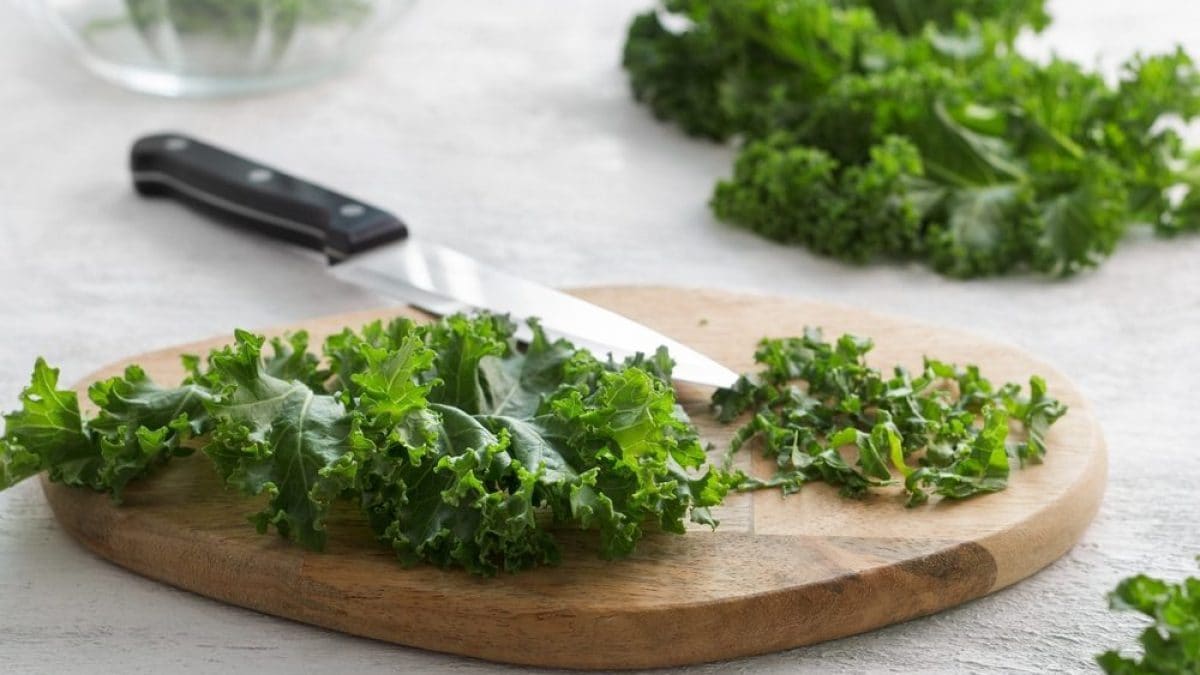
A Hollywood star's passion, a must-have ingredient in cutting-edge diets, a must-have for healthy eating, and beloved by top chefs across the Atlantic: kale has recently become a true culinary star. You might think you're unfamiliar with it, but in reality, it's an ingredient we're very familiar with in the U.S.; in fact, it's typical of many regional cuisines across the country. Kale, in fact, is nothing other than curly kale, a vegetable grown from November to March, especially in California, Georgia, New Jersey, Washington and Oregon.
But why is it making everyone lose their minds and why is everyone talking about it? The credit goes to its incredible nutritional profile, a veritable concentration of vitamins and minerals that make this food a treasure trove of well-being for our bodies, so much so that it is often used in natural supplements. Despite such power, kale is also very low in calories and highly versatile in the kitchen, two other ingredients that determine the ever-increasing success of this now must-have in the American healthy diet. Let's take a closer look at what kale is, its properties, and the many ways to cook it.
What is Kale?
Kale is none other than curly kale, a typically winter vegetable related to the normal cabbage with dark green or reddish hues. Like all cruciferous plants, Brassica oleracea var. sabellica (this is the scientific name for curly kale) has petals arranged in the shape of a cross, but is characterized by long, ruffled leaves that give the plant its characteristic appearance.
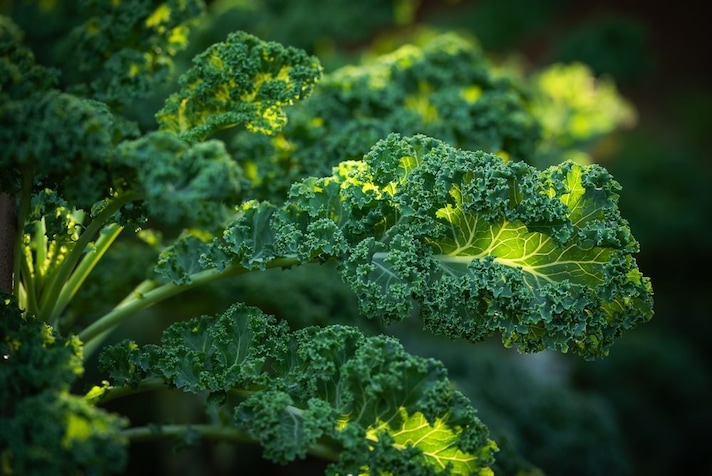
A typically winter vegetable, kale, under different names, was widely used in the U.S. until the mid-1950s, so much so that it has also found a place in many regional food traditions. In the South, it is often cooked as a hearty leafy green alongside collard greens, mustard greens, and turnip greens, slowly simmered with seasonings such as garlic, onions, and smoked meat. In the Northeast and Midwest, where kale has long been valued as a cold-hardy garden crop, it has traditionally appeared in rustic soups, stews, and winter dishes.
Kale, or curly cabbage, is typical of winter and early spring. It loves low temperatures, and it's precisely the cold that enhances the flavor of its leaves, concentrating their sugars. Today, curly cabbage is extremely easy to find in grocery stores, all around the country, both in its classic variety and its specialty varieties (Lacinato and Red Russian kale).
Kale's Properties and Benefits
If cabbage was considered a true natural remedy in peasant tradition, there must be a reason (or rather, more than one): in this sense, kale is no exception. Indeed, it is precisely thanks to its richness in nutrients and the resulting benefits it provides to our bodies that the vegetable has found such a lucrative market in the United States, particularly in the world of Hollywood, where there is always a race to discover new healthy foods.
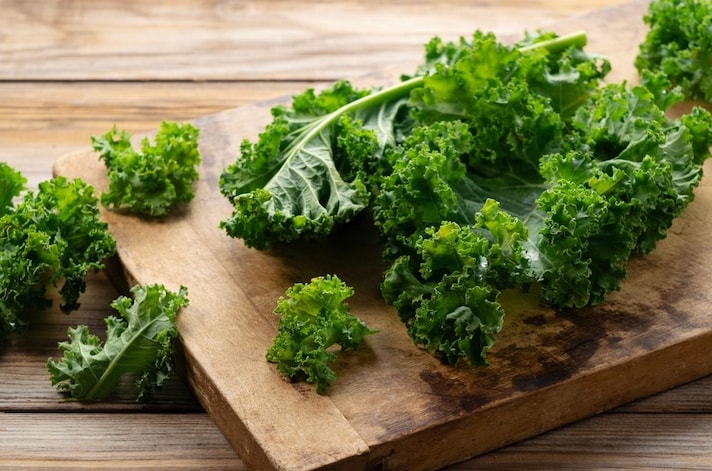
Kale is full of vitamins including vitamin K, vitamin A and vitamin C, it is a natural container of fibre and mineral salts including calcium, potassium and magnesium, and on top of all this it is very low in calories (just 30 kcal per 100 grams of product) but very rich in water (89%): a truly beneficial food, in short, to be included regularly in our diet and studied by science precisely for its multiple contributions to our health.
But what exactly is it good for? Among the main benefits of kale are:
- immune system support thanks to the presence of vitamin A and vitamin C, which allows kale to support and strengthen our defenses and prevent seasonal ailments, and the presence of vitamin B6 which helps in cases of exhaustion and fatigue;
- counteracts the action of free radicals, an action that leads to the slowing down of cellular aging and which, combined with the stimulation of collagen production due to vitamin C, helps the skin to be smoother, younger and free from impurities;
- satiating and diuretic effect, elements which together with the very low calorie intake make it an ideal food for those following a low-calorie and slimming diet;
- natural strengthening for those suffering from anemia thanks to a rich presence of iron;
- support for bone health because it is very rich in calcium, which is why it is often recommended to those who are more exposed to or suffer from osteoporosis and to those who follow a vegan diet that excludes milk and dairy products from the diet;
- cholesterol control thanks to fiber, which reduces bad cholesterol and lowers levels of "good" HDL cholesterol, thus strengthening the entire cardiovascular system;
- strengthening eye health thanks to the presence of lutein and zeaxanthin, which protects them from possible cataracts, macular degeneration and infections.
Kale's Contraindications
Kale has no particular contraindications, but be careful how much you consume: like all vegetables, if eaten too often and in excessive quantities, it could produce a laxative effect. Furthermore, the presence of vitamin K makes it unsuitable for people taking anticoagulant medications, as it could hinder absorption and cause problems for those with thyroid disorders. If you suffer from either of these conditions, or are undergoing any particular medication, consult your doctor to find out whether or not you can include kale in your diet and in what quantities.
How To Use Kale in Cooking
Although kale is actually a cabbage, its flavor is completely different from that of traditional cabbage: intense, sweet, and slightly tart, it is more reminiscent of spinach. How is this unique vegetable used in cooking? Another reason that has made it so popular is its extreme versatility: once "stripped" (as is done with all vegetables in the cabbage family), rinsed, and dried, kale can be used both raw and cooked.
Raw, kale is excellent cut into very fine strips and added to rich mixed salads, or paired with meats or cheeses, or even as an ingredient in legume or grain salads. If you want to turn it into an aperitif, try making kale chips (follow the recipe for kale chips, the procedure is the same), simply baking the leaves in the oven, drizzled with extra virgin olive oil, at 395°F/200°C until they are golden and crispy.
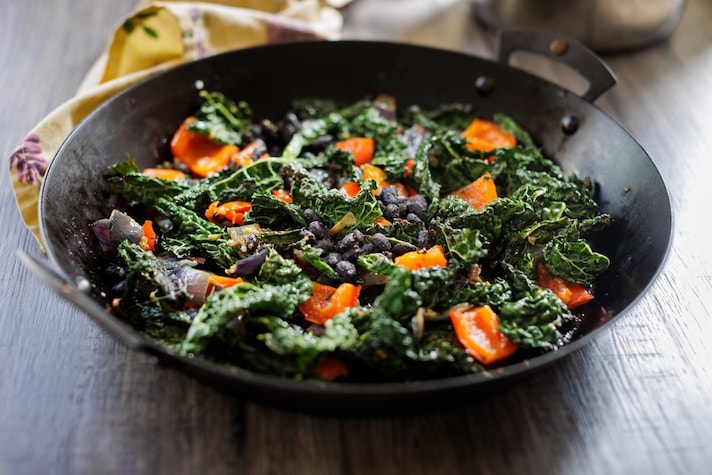
Pan-fried with oil and garlic, kale can be used as a simple side dish or to enhance savory pies and delicious frittatas. Alternatively, you can steam it and use it as a pasta sauce, or use it with its cooking water to make soups and broths. Always remember to avoid boiling (or poaching) kale, as it causes the loss of many water-soluble nutrients, especially minerals.
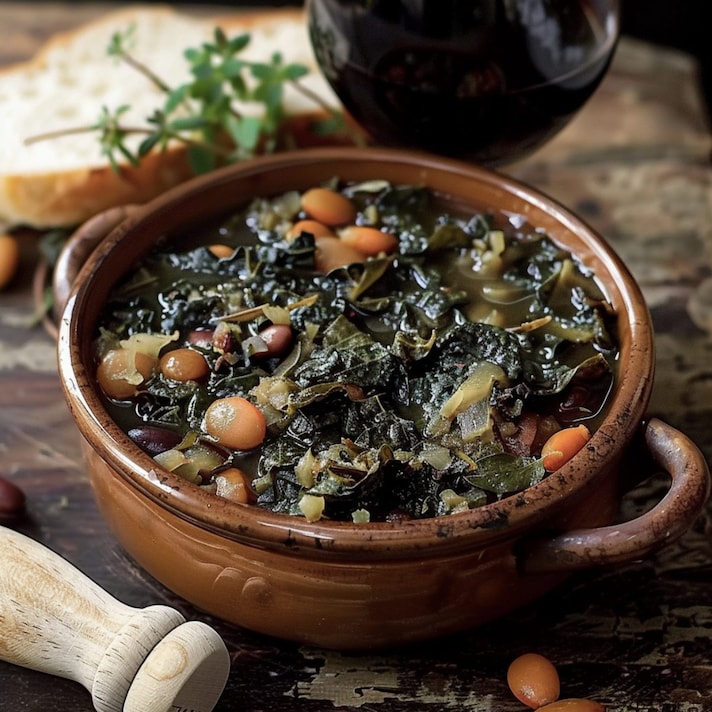
Kale is also excellent for making delicious sauces, such as kale pesto or kale hummus, or if you're particularly fond of healthy preparations, you can even turn it into a super beneficial smoothie.

