
In recent years, it has become increasingly common to find “alternative” foods in supermarkets, such as those without milk and lactose designed for those who are intolerant or allergic, for those who have chosen a diet that excludes them, or for those who simply want to vary their diet with new things.
The terms "dairy-free" and "lactose-free" are often used synonymously, but in reality they are two very different products. The confusion arises from the similarity of the terms, even though the English language, for example, is much clearer: "lactose-free" means lactose-free, and "dairy-free" means milk or dairy-free.
The difference is precisely this: “dairy-free” foods are those in which no milk or its derivatives are used at all, while “lactose-free” foods are those that are processed to reduce the content of this sugar typical of milk, but which may still contain milk.
Lactose-Free Vs. Dairy-Free: Differences
Remember that lactose-free doesn't mean milk-free, and vice versa: this is a crucial difference to understand, especially if you have allergies or intolerances, because the two food groups have very specific and distinct ingredient lists.
- Dairy-free foods do not include the use of milk and its derivatives at all.
- Lactose-free foods are processed to reduce only the lactose, the sugar found in milk. This means that lactose-free foods may actually contain milk.
The main difference between the two categories, therefore, is whether or not they contain milk. This means that a person with an allergy absolutely cannot eat lactose-free foods, because milk is still present in them; instead, they must opt for alternative foods that are also completely lactose-free.
A person who is lactose intolerant, however, can consume a milk-based product if it has been lactose-free, or foods that have a very low lactose percentage, such as, for example, Parmigiano Reggiano.
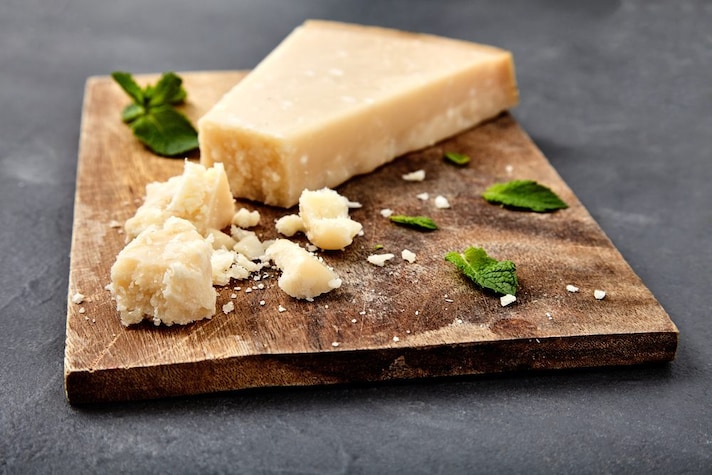
What Are Lactose-Free Foods and Who Are They Suitable For?
Lactose-free foods are also called "delactosed": this term refers to a specific biochemical process used to reduce the presence of this sugar, the main cause of discomfort in lactose-intolerant people. The delactosation process is very simple and involves adding lactase, the enzyme needed to digest lactose, to the product during processing. Lactase converts glucose into galactose, thus allowing the food to be digested without any discomfort.
But be careful: when a food is lactose-free, it doesn't mean it's completely free of lactose, but rather that the sugar has been reduced to a minimum percentage considered tolerable by the human body, which varies between 0.1% and 0.01%. It's important to clarify this because, in cases of more serious allergies, it's not recommended to consume these types of products, as they still contain a small trace of lactose that could trigger an allergic reaction.
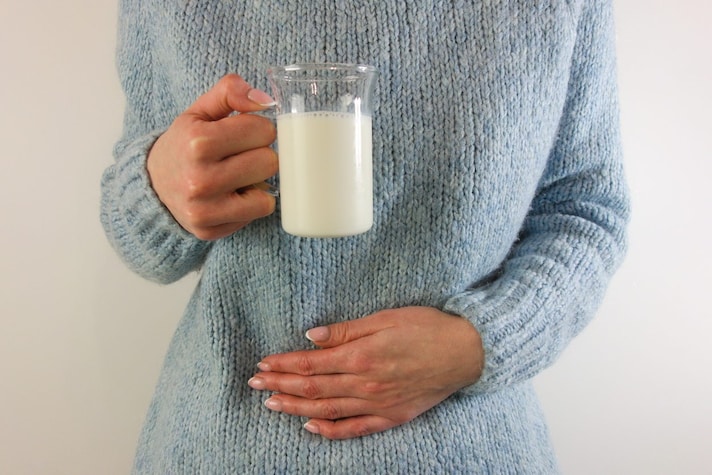
Are Dairy-Free and Lactose-Free Foods Lighter?
A fairly widespread belief is that dairy-free and lactose-free products are lower in calories than traditional products, or at least lighter in calories. Nothing could be more wrong. In the case of lactose-free products, for example, reducing the sugar content does not mean making the food lower in fat: lactose-free milk, for example, has exactly the same calories as traditional milk.
And for foods that are dairy-free, and therefore use substitutes and plant-based alternatives, the same applies: they're no longer light; in fact, in this case, they may even be higher in calories. This is because often, to thicken the alternative milk or improve its flavor, other ingredients, sugars, or additives are added, which therefore increase the nutritional value of the product in question.
;Resize,width=767;)
