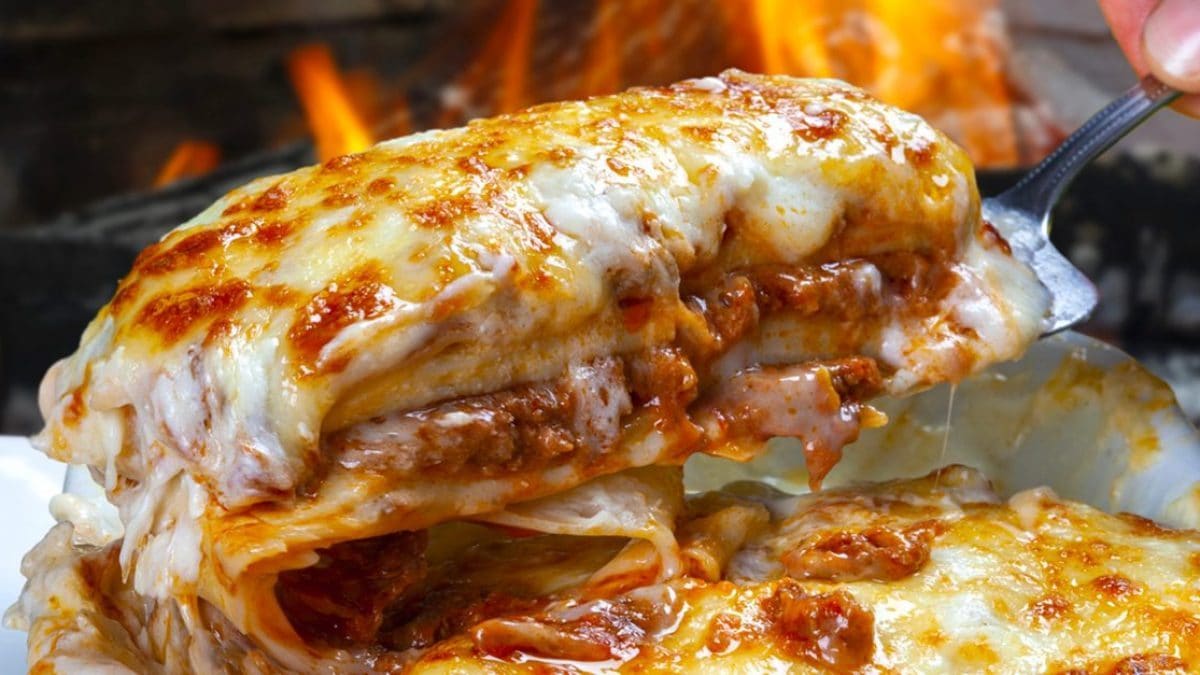
The quintessential Sunday dish, rich and filling: lasagna spans Italy from north to south, just as it has historically, appearing throughout the centuries in most regions. Each version has its own distinct characteristics, but it's always made with layers of pasta filled in a more or less traditional way. A true gastronomic icon, lasagna alla bolognese is its signature recipe, available in countless variations made with meat, fish, and vegetables. Let's explore its origins, its evolution over time, and the most popular local versions.
The History of Lasagna, From The Ancient Romans to The Present Day
The preparation considered to be the most reliable ancestor is the "lagana", which dates back to the time of the ancient Romans, despite being very different from the laborious dish we know today. It consisted, in fact, of sheets of pasta (laganum) made with water and flour, cut into strips, overlapped and accompanied by various ingredients, from fish to eggs, including meat and vegetables. Written evidence of this version, probably baked in the oven, can be found in Apicius's De re coquinaria (between the 3rd and 4th centuries AD), but, as the food historian Luca Cesari points out, they could also be cooked over the fire (or fried), resembling more a very thin loaf of bread.
Lasagna entered the collective imagination and began to take shape in the Middle Ages: we know this from the numerous surviving writings, which depict sheets of rolled pasta of a square or more elongated shape, always made with flour and water, but boiled in water or meat broth (for example capon broth) and then seasoned in layers with cheese and spices. The 13th and 14th centuries saw mention of it by the religious Fra Salimbene de Adam from Parma, who in 1284 described a monk who gorged himself “so willingly on lasagna with cheese”, Jacopone da Todi, Cecco Angiolieri, but important references can also be found in gastronomic texts such as the Liber de coquina written at the Angevin court of Naples between 1285 and 1304. In an article published in 2004 in Civiltà della Tavola, the magazine of the Italian Academy of Cuisine, reference is made to an order from the mayor of Florence in 1348 (the year of the Black Death) against street vendors of lasagna (therefore the shape, not the food) who could sell the goods only immediately after cooking and no later than midday.
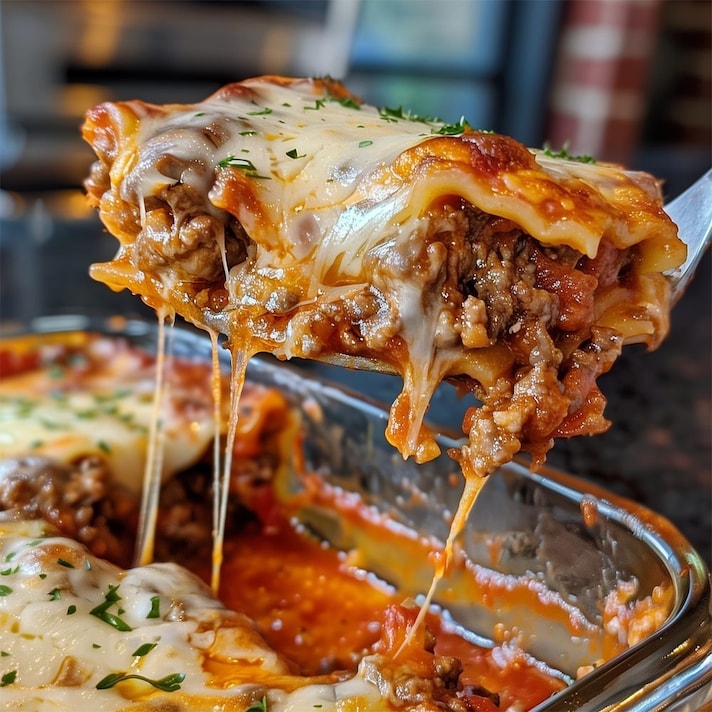
From the Renaissance onwards, the details that characterize the complete dish were gradually added, which became increasingly abundant and reserved for special occasions: eggs replaced water in the 16th century in the dough, mozzarella was introduced in 1634, as demonstrated in the book La lucerna de corteggiani by Giovanni Battista Crisci, béchamel sauce arrived from France in the 18th century, versions with meat sauce, but also fish and shellfish, were popular from North to South in the 19th century, while the first lasagna recipe to use tomato dates back to 1881, reported in the book Principe dei cuochi o la vera cucina napolitana by Francesco Palma. Bolognese ragù, on the other hand, probably made its entrance into this specialty in the first decade of the 20th century, thus giving rise to the most iconic variant.
Bolognese, Neapolitan, Milanese: The Different Types of Lasagna
Let's start with the last mentioned, the very famous lasagna alla bolognese: over the centuries, it has had proto-versions, like most traditional dishes. The original recipe registered with the Bologna Chamber of Commerce calls for a base of green egg pasta, meat sauce, grated parmesan cheese, and béchamel sauce. In the past, spinach was not included in the dough, but rather interspersed throughout the various layers, with meat sauce or other herbs. It was the Bolognese innkeepers of the 20th century who deciphered the recipe, which would gain national attention in 1935 thanks to Paolo Monelli's Ghiottone errante.
Naples is the country that vies for the title of Italian-made lasagna, where the recipe stands out for its abundance: layers of egg pasta filled with meatballs, meat sauce, ricotta, and caciocavallo cheese, served during Carnival. Francis II of Bourbon (1836-1894), son of Ferdinand II, was a great fan of it, so much so that he went down in history as “King Lasagna.” Vincisgrassi from the Marche region are also hearty, characterized by a ragù with chicken giblets, which trace their origins to the 18th-century princisgras, with truffle and ham.
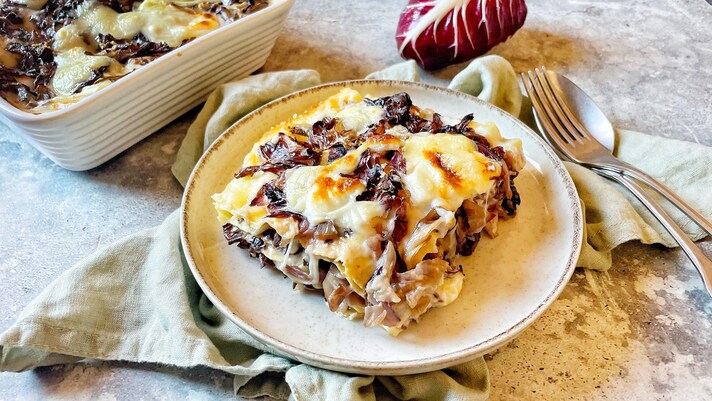
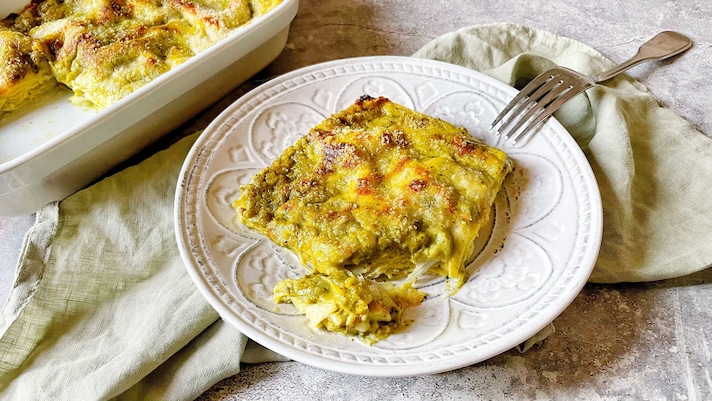
In Genoa, pesto lasagna is well-known, the traditional "lean" version that survived the meat version, while in Veneto, lasagna is called "pasticcio": it is made with egg pasta, ragù, and béchamel sauce (like Bolognese, but without the spinach in the dough) or with Treviso radicchio. We conclude with a now-extinct specialty, but which, as Luca Cesari suggests, was probably the first to introduce béchamel sauce: lasagna Milanese, which in the 18th century also included truffle, butter, parmesan, and cinnamon, and in the 19th century, chicken fillets, meat sauce, and mushrooms.
;Resize,width=767;)
