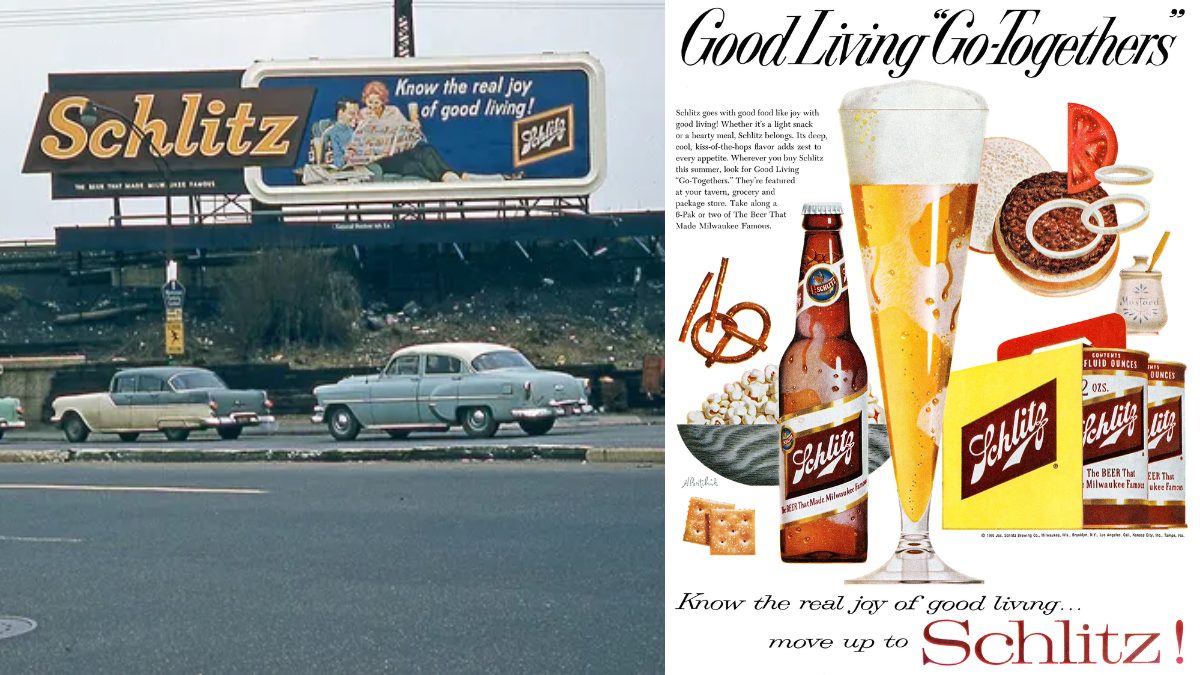
For nearly two centuries, one iconic slogan defined the spirit of Midwestern brewing: "The beer that made Milwaukee famous." Joseph Schlitz Brewing Company didn't just fuel generations of backyard barbecues and tavern chats; at its absolute peak, it was the largest brewery in the United States and the best-selling beer in the world.
That historic run is officially coming to a close. On Tuesday, May 19, 2026, parent company Pabst Brewing Company confirmed that it is discontinuing Schlitz Premium. Citing modern economic pressures, the decision marks the end of a 177-year legacy that began in a modest Wisconsin tavern before the American Civil War.
Rising Operational Costs
The decision to pull the plug on the legendary American lager stems from harsh bottom-line logistics rather than a sudden drop in its niche, loyal following.
"Unfortunately, we have seen continued increases in our costs to store and ship certain products and have had to make the tough choice to place Schlitz Premium on hiatus," Zac Nadile, Pabst’s Head of Brand Strategy, said in an official statement. "Any brand or packaging configuration that is put on hiatus is still a cherished part of our history and hopefully our future."
While corporate is using the softer term "hiatus" to leave the door open for a distant marketing revival, local distributors and liquor stores are treating this as a permanent farewell, with shelves across the Midwest rapidly selling out of remaining stock.
The 1948 "Golden Era" Send-Off
Schlitz isn't slipping away quietly into the night. To give the brand a respectful final bow, Pabst has partnered with Wisconsin Brewing Company in Verona, Wisconsin, to produce one final historic batch on Saturday, May 23, 2026. Brewmaster Kirby Nelson is bypassing modern formulations to recreate a composite recipe pulled straight from archived 1948 logs—the exact era when Schlitz sat atop the global beer throne.

The Final Batch Recipe Profile
To capture the exact flavor profile that conquered the global market in the mid-20th century, Nelson is using a precise mix of heritage ingredients rather than modern cost-saving alternatives:
- The Grain Bill: A traditional combination of six-row malted barley and yellow corn grits. This specific grain blend recreates the exceptionally crisp, clean, classic American adjunct body that defined mid-century lagers.
- The Imported Hops: Authentic German Hallertau Mittelfruh hops are being brought in to introduce the old-world, earthy, and lightly floral aroma characteristic of early Milwaukee brewing.
- The Domestic Hops: Vintage Washington State Cluster hops will provide the clean, historic bittering balance, perfectly mimicking the exact bite the beer had during its peak production years.
"Things change, but Schlitz deserves better than just to be swept under the rug," Nelson noted. "It really needs to go out with dignity and respect."
Pre-orders for the final allotment have gone live on May 23 via Wisconsin Brewing Company's website, with the limited cans dropping on June 27, 2026, alongside a massive commemorative celebration at the Verona facility.
The Rise and Fall of a Giant
The brand's history is deeply woven into the fabric of American industrial lore:
- 1849: Founded by August Krug at a Milwaukee tavern; taken over by bookkeeper Joseph Schlitz in 1856.
- 1871: The Great Chicago Fire destroys the city's water infrastructure. Schlitz sends fleets of boats filled with free beer and safe water across Lake Michigan, cementing lifelong brand loyalty.
- 1950s: Surpassed by Anheuser-Busch after decades as the undisputed number-one brewery.
- 1970s: Misguided corporate cost-cutting measures alter the brewing process, resulting in a hazy product that tasted radically different. Disgruntled drinkers abandon the brand en masse.
- 1999: After being sold to Stroh Brewing, the label is acquired by Pabst. A 2008 relaunch successfully revived the 1960s flavor profile, but it remained a retro novelty.
;Resize,width=767;)
