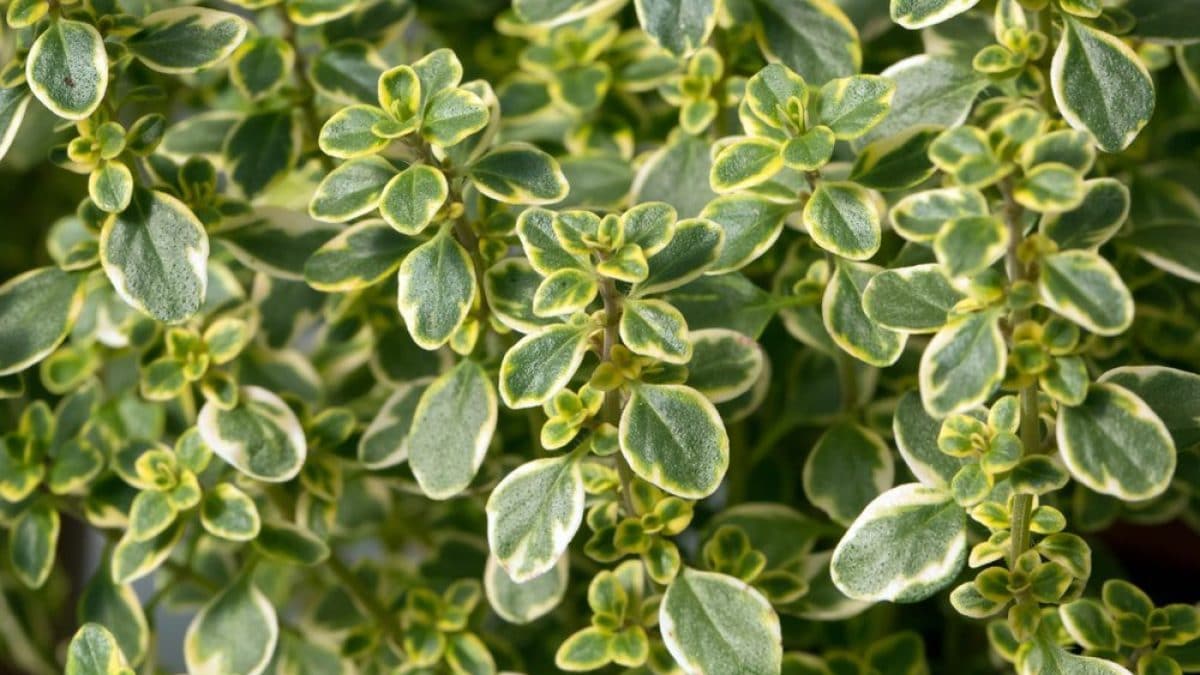
An aromatic plant that is the star of the classic bouquet along with rosemary and sage, thyme has been known since ancient times for its numerous therapeutic properties, particularly as an antiseptic for the mucous membranes of the nose and intestines and as a cough suppressant. These benefits are not limited to common thyme: all varieties of this precious plant are great allies for your health and your dishes. Today we introduce you to lemon thyme (Thymus citriodorus), a small aromatic plant belonging to the Lamiaceae family. Native to the Mediterranean basin, it later acclimatized to much of the temperate zones of Europe and is likely the result of a natural hybridization between common thyme (Thymus vulgaris) and goniometric thyme (Thymus pulegioides).
Lemon thyme looks similar to the classic thyme you're used to, but it has some differences: it's a small plant (no taller than 50 centimeters) and has smaller, yellow-speckled leaves. Above all, however, it has a completely different smell and flavor: lemon thyme, just as its name suggests, has a strong citrus aroma, due to the composition of the essential oils within the plant. It's a particularly distinctive scent, which is noticeable not only in the taste but also when rubbing the leaves: just rub them lightly and they release an intense lemon scent. Lemon thyme leaves are used, which should be harvested before flowering, and the flowers are picked at the beginning of flowering, and both can be used fresh or dried. They can be used in cooking as a flavoring, but for centuries they have also been used as a natural remedy for a whole range of ailments, from digestive problems to flu symptoms. Here's everything you need to know about the benefits, contraindications, and culinary uses of lemon thyme.
Lemon Thyme's Properties and Benefits
The basic composition of lemon thyme is very similar to that of common thyme, as its nutritional profile clearly demonstrates. The two plants share many of their active substances, particularly B vitamins and vitamin C. They are low in calories, high in essential minerals, and both retain their properties intact even after drying. The main difference lies in the aromatic compounds: while classic thyme contains thymol, which gives it its spicy, balsamic aroma, lemon thyme contains high percentages of geraniol, the molecule that gives it the classic, delicate lemon note. Furthermore, lemon thyme is also rich in neral, which is also responsible for its citrus note and offers various therapeutic properties. Here are all the benefits of lemon thyme.
1. Balsamic and Antibiotic Action
Just like classic thyme, lemon thyme also helps the respiratory tract: it helps soothe coughs, clears phlegm, and provides relief from colds and bronchitis. The effect is even more effective thanks to geraniol and neral, which give the plant antispasmodic properties that are particularly useful for calming coughs, especially chesty ones. Thanks to its expectorant properties, lemon thyme thins bronchial secretions, also facilitating expectoration.
2. Digestive and Carminative Properties
Thyme has traditionally been used as an aromatic digestive and carminative plant, useful for aiding digestion and limiting intestinal gas. Thanks to its aromatic profile, it has long been used in the preparation of infusions and herbal teas consumed after meals, especially to counteract the feeling of heaviness and abdominal bloating. In Mediterranean folk medicine, thyme is considered a valuable ally for digestive and intestinal health.

3. Antiseptic and Anti-Inflammatory Power
Lemon thyme shares one of the plant's best-known effects with traditional thyme: its antiseptic properties, effective against numerous bacteria, viruses, and fungi. It's no coincidence that thyme is often used as an infusion or essential oil (just a few drops are enough) for colds, flu, and seasonal respiratory infections. In particular, thymol can inhibit the growth of pathogenic microorganisms such as Aeromonas hydrophila, which causes gastroenteritis, and Staphylococcus aureus, which leads to the development of mild to severe damage, from abscesses to pneumonia. Lemon thyme also contains geraniol, a true natural anti-inflammatory.
4. Antioxidant Action
The antioxidant action of lemon thyme comes from the combination of two powerful natural active ingredients: thymol and vitamin C. Together, they fight free radicals and protect cells from oxidative stress. Furthermore, the plant's polyphenols and flavonoids work synergistically with vitamin C, protecting skin and tissues. Its antioxidant properties make lemon thyme a valuable ingredient in anti-aging products, helping prevent premature skin aging.
5. Cosmetic Properties
Thanks to its aromatic properties and the presence of compounds with antioxidant and antimicrobial activity, lemon thyme essential oil is used in various cosmetic skincare products. It is primarily used in cleansers, lotions, creams, and purifying preparations, where it helps keep skin fresh and clean. Its delicate, citrusy scent also makes it particularly popular in perfumery and personal care products. The presence of antioxidants favors its use in formulations designed to protect the skin from oxidative stress caused by environmental factors, while its aromatic properties contribute to a pleasant sensation of freshness.

Lemon Thyme's Contraindications
Lemon thyme consumed as a food or herbal tea has no particular contraindications. Side effects, though rare, are generally linked to overuse of the essential oil extracted from the plant. First of all, it should never be used pure; it should always be diluted because it is highly concentrated, and frequent use can cause unpleasant reactions, especially if applied directly to the skin. For herbal tea, however, the usual recommended dose is 1-2 grams of the plant per cup of water: even in this case, it is best not to exceed. Be careful when taking lemon thyme in essential oil form (as a food, it is always best to consult your doctor) if you have particular physical conditions. For example, its use is not recommended as a precaution during pregnancy and breastfeeding, as it may stimulate uterine contractions. Those suffering from gastrointestinal disorders should take it in moderation: in high doses or in the form of essential oil, it can irritate the gastric mucosa and is therefore not recommended for those suffering from gastritis or ulcers. Obviously, lemon thyme should be avoided if you already suffer from hypersensitivity or allergies to other plants in the Lamiaceae family.
Lemon Thyme's Culinary Uses
Flavor is the most distinctive characteristic of lemon thyme, a cross between classic thyme and the citrusy fragrance of lemon that pairs well with many vegetable dishes, but also sauces, meat, fish, gravies and salads. The quintessential pairing is with white meat: lemon thyme is perfect for flavoring chicken breasts, roasts or pan-fried thighs, especially when combined with a touch of honey. It is also excellent with baked fish, especially if used in foil or on fish fillets such as salmon and sea bass, especially when accompanied with cherry tomatoes. Thanks to its citrusy fragrance, lemon thyme is excellent for marinades, giving an extra boost to roasted vegetables and baked potatoes. It is also excellent in first courses: you can use it to stir in risottos or to complete light pasta dishes, or even to flavor legume soups, which it also helps to make more digestible.

Thanks to its aromatic flavor, lemon thyme is also well-suited to sweet recipes and is a particularly good addition to alcohol-based preserves such as fruit, to which it lends a pleasant aroma, or to sorbets and ice creams to enhance flavors and give a unique touch to the taste. You can also add lemon thyme to fruit salads: a few fresh leaves, finely chopped, brighten the flavor of any fruit. The fresh or dried leaves are excellent for making digestive and balsamic infusions, also perfect for colds or digestive problems.
;Resize,width=767;)
