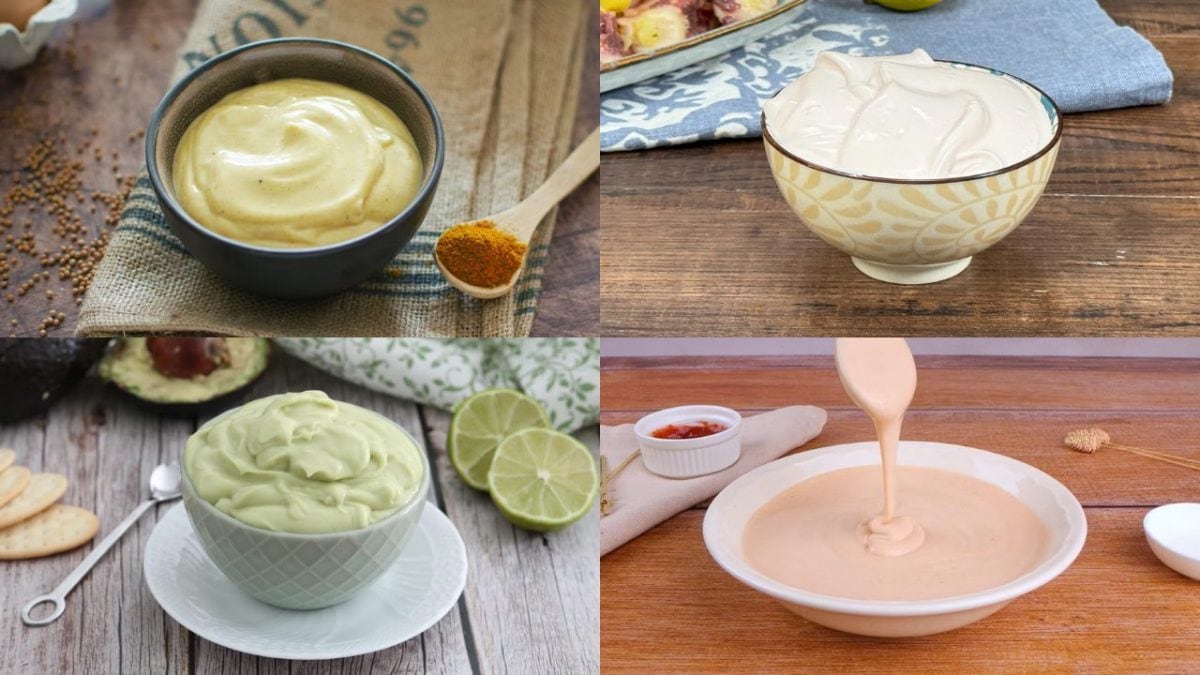
It's hard to resist: mayonnaise is one of those sauces that goes well with everything, from French fries to grilled fish, sandwiches, canapés, paninis, and salads, including rice salads. It's available pre-packaged at the grocery store, but it's easy to make at home with eggs, seed oil, white wine vinegar (or lemon juice), and a pinch of salt—if it goes haywire, you can even use it up. A silky consistency that's perfect on its own, it's true, but it also lends itself to reinterpretations: for example, by flavoring with herbs or spices, creating lighter or vegan variations, and even cult-classic combinations. Let's see the many ways to bring mayonnaise to the table and how to best use it.
Mayonnaise is a multitasking sauce: it adds a tasty touch to dishes when served, but it also enhances a dish that would otherwise be dry or flavorless, and not necessarily due to a mistake. Like all condiments, it should be consumed in moderation and in recent years it has been the subject of many reinterpretations to meet different dietary needs. For example, egg-free options have proliferated. Egg is often demonized because it is mistakenly linked to increased cholesterol, but it can pose a problem for allergy sufferers or cause possible poisoning if the raw egg is not fresh or has been mishandled during transportation, processing, or storage. Furthermore, eggs are an animal product , and the spread of the vegan diet has led to the search for substitutes, so that mayonnaise (plural) can be adapted to every situation.
12 Mayonnaise Variations and How to Pair Them
Mayonnaise is one of the most versatile condiments in the kitchen. From a classic emulsion of egg yolks and oil, it can be transformed into an infinite variety, completely changing its character with the addition of herbs, spices, or alternative ingredients, from soy milk to avocado. It's also the building block for creating internationally renowned sauces.
1. Basil Mayonnaise

Let's start with a very easy variation. Basil mayonnaise is made by whisking egg yolks, extra virgin olive oil, lemon juice, salt, and pepper to form a smooth cream. Add the basil leaves and blend to finely chop and combine. The result is perfect with fish, whether white or blue, whether simply baked or steamed, or fried, such as fried anchovies. It's also excellent with white meats like chicken and turkey, enhancing their delicate flavor with a touch of freshness.
2. Curry Mayonnaise

Spices are a true ally in the kitchen for giving an extra kick to recipes, including sauces. Here, flavor the mayonnaise with half a teaspoon of the most common curry powder, easy to find even at the supermarket: it's not spicy, but it adds a hint of heat and color, although you can still choose the blend you like based on intensity. The other ingredients are: egg yolks, peanut oil, lemon juice, salt, pepper, and a teaspoon of mustard. Curry mayonnaise pairs well with Asian-inspired dishes, such as white fish accompanied by pan-fried bok-choi, or in a sandwich filled with shrimp and salad, or in an alternative club sandwich, as it pairs very well with grilled turkey and chicken.
3. Yogurt Mayonnaise

Hard-boiled eggs, yogurt, salt, and a squeeze of lemon juice: that's what you need to make yogurt mayonnaise, which is technically a yogurt sauce because the seed oil has been removed. This variation proves to be a true all-rounder, used like the original to fill wraps, burgers, canapés, and sandwiches, to dress salads, and as an accompaniment to French fries.
4. Vegan Mayonnaise

This vegan mayonnaise is one of the simplest ways to bring this popular sauce to the table without using any animal-based ingredients. This version calls for soy milk, sunflower oil, salt, and a splash of vinegar: place them in the bowl of an immersion blender and blend until you obtain a thick, stable emulsion. The flavor is neutral, making it a base just like classic mayonnaise, also excellent for Russian salad.
5. Avocado Mayonnaise

If you're looking for a sauce that pairs perfectly with salmon, chicken, and vegan burgers, or as a filling for meat, fish, or cauliflower tacos, this avocado mayonnaise is for you. The recipe we propose starts with a base free of animal-derived ingredients (avocado, rice milk, sesame seed oil), which are all blended together in a blender: the final consistency is velvety, yet fresh and slightly tangy thanks to the combination of lime and Tabasco.
6. Lupin Beans Mayonnaise

We're talking about a rather a less popular legume than chickpeas, lentils, or peas, but one with many health benefits, typical of the entire Mediterranean area. This mayonnaise is also 100% vegan, made with shelled lupin beans, unsweetened soy milk, seed oil, apple cider vinegar, and mustard, for a smooth and enveloping flavor. The best way to use it is as you would hummus, serving it on crostini or in sandwiches with grilled vegetables, or even as an accompaniment to vegetable crudités.
7. Octopus Mayonnaise

Yes, we're talking about the cephalopod mollusk, because this recipe is all about recycling. The idea we're presenting to you comes from chef Antonino Cannavacciuolo, who uses octopus cooking water to reuse it. Thanks to its collagen content, it creates a thick, creamy emulsion combined with sunflower oil, lemon juice, and a pinch of salt. It pairs particularly well with fish-centric dishes, such as tuna sandwiches or octopus itself, whether grilled, fried, or made into delicious meatballs.
8. Tartar Sauce

Tartar sauce is a savory condiment from France, based on a mayonnaise made with chopped hard-boiled egg yolk, white wine vinegar, salt, and pepper, and enriched with chopped parsley, tarragon, capers, and pickles. It's ideal for spreading on canapés and tramezzini filled with cured meats or tuna, or in roast beef sandwiches.
9. Remoulade Sauce

Staying in French territory, with a homemade mayonnaise made with egg yolks, seed oil, a splash of vinegar (or lemon juice), and a pinch of salt, combined with a teaspoon of mustard and chopped pickles, desalted capers, and fresh parsley. Like the previous one, the remoulade sauce is aromatic, tasty, and elegant: try it with beef carpaccio, salt-cured sea bream, or even to give a boost to boiled potatoes.
10. Pink Sauce

What does mayonnaise and ketchup do? Pink sauce, in the basic version that can be made at home simply by combining the two sauces. The full recipe calls for the addition of Worcestershire sauce and cognac, to amplify the aroma and sweet and sour flavor of this delicious mix, which is at its best in a great '80s classic like shrimp cocktail, but also makes an excellent alternative for dipping ham or cheese toast or stuffed toast.
11. Aioli Sauce

Aioli sauce originally consisted of garlic, extra virgin olive oil, and lemon; over time, egg was added, effectively becoming a garlic mayonnaise. Its flavor can be more or less strong, depending on the variety of garlic used: some are pungent, others delicate. It's a very popular condiment in Provençal and Spanish cuisine, pairing beautifully with boiled dishes such as cod, green beans, and potatoes, or as a garnish for the delicious patas bravas served as tapas.
12. Ranch Dressing

We conclude with a very popular sauce in the United States: ranch dressing combines mayonnaise with buttermilk, sour cream, parsley, dill, chives, garlic, and onion powder. It has a semi-liquid texture and a fresh, slightly acidic flavor. When making it, remember to let it rest for at least 3 hours in the refrigerator, so that the flavors can settle and stabilize. Use it as a dressing for grilled meat, fish, and salads.
;Resize,width=767;)
