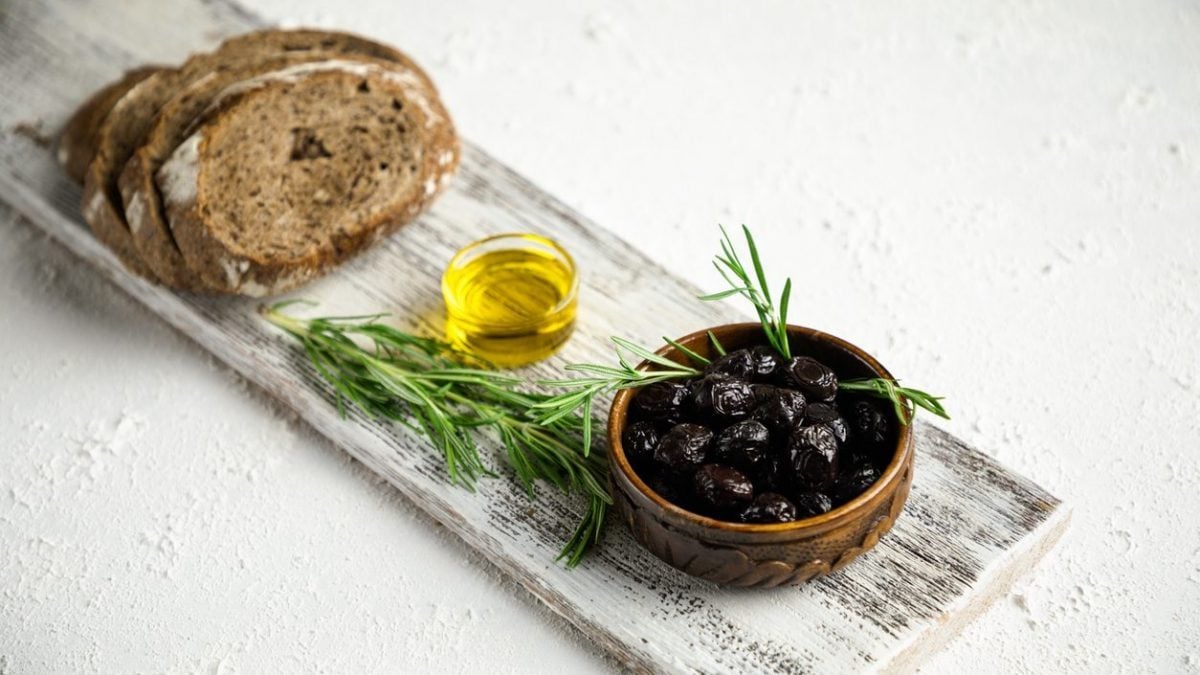
Olives are the fruit of the Olea europaea, an evergreen tree known since ancient times primarily for the production of olive oil, a staple of the Mediterranean diet. However, olives are not just the raw material used to make this iconic condiment: the table varieties are consumed as they are, the protagonists of many recipes, including appetizers, salads, leavened products, fillings, sauces, and gravies. Freshly picked, their flavor is bitter, and to make the drupes edible, a process of debittering them is required: only then do they become the olives we know today: soft, pulpy, heart-healthy, and rich in antioxidants. But be careful not to overdo it, because sodium and calories are not to be underestimated.
Olives' Properties and Benefits
Olives are a food with an interesting nutritional profile. In particular, they are rich in what are commonly referred to as "good fats," namely monounsaturated fatty acids (such as oleic acid) and polyunsaturated fatty acids, including omega-3 and omega-6, which have positive effects on our body, especially on the heart and arteries, since their combined action helps reduce levels of bad cholesterol and triglycerides in the blood, improving circulation and overall cardiovascular health. This is also thanks to the presence of phytosterols and antioxidants, including carotenoids and polyphenols, which fight inflammation. In general, olives contain a good amount of vitamins, such as A, E, and some of the B group, and minerals, such as potassium, iron, calcium, magnesium, and sodium (be careful about the latter, in the contraindications section). They're not a low-calorie food; on the contrary: a recommended 30-gram serving contains 73 kcal for black olives and 44 kcal for green olives. After this overview, let's take a closer look at the main benefits of eating olives.
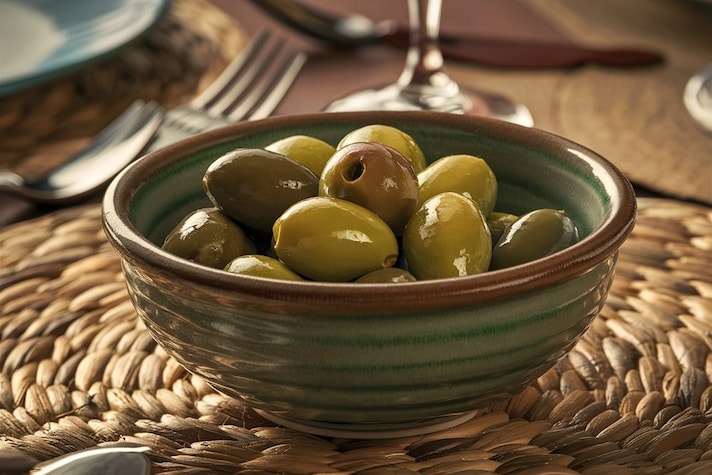
1. Natural Antioxidants Against Cellular Aging
Olives contain bioactive plant compounds that counteract oxidative stress by neutralizing free radicals. A study conducted on oleuropein, the most abundant polyphenol found in olive fruit and leaves, highlights its many potential benefits, from anti-inflammatory activity to liver protection, as well as a potential ally against tumor development and improved lipid metabolism.
2. Support for The Cardiovascular System
We have seen that the monounsaturated and polyunsaturated fats in olives, together with phytosterols, contribute to the general well-being of the cardiovascular system, in particular they provide a significant contribution against LDL cholesterol, keeping levels low and the risk of accumulation in the blood, preventing heart attacks and strokes.
3. Help Digestion Thanks to Fiber
The fiber contained in olives plays an important role in the proper functioning of the digestive system. It promotes a more regular intestinal rhythm and helps keep the intestines active and balanced.
4. Supports Bone Health
Olives contain small amounts of minerals such as calcium and magnesium which can contribute to skeletal strength and maintain bone density, lowering the risk of diseases such as osteoporosis.
5. Satiating Effect and Appetite Control
The combination of fiber and natural fats makes olives a food that provides a feeling of satiety. Recent research also links elenolic acid, a compound with anti-inflammatory properties, to weight loss, as it appears to have the ability to lower blood sugar, although this does not mean that eating olives will make you lose weight.
6. Natural Source of Iron and Vitamin E
Olives contain minerals and vitamins that complete their nutritional profile, including iron, essential for the production of hemoglobin and red blood cells, and vitamin E (or tocopherol), which is part of the antioxidant spectrum. Be careful when it comes to iron: black olives contain an additive (to darken them and make them appear riper). This must be listed on the label, but the amount is not specified.
Olives' Possible Side Effects
Although olives are a safe food, they can present some contraindications. The most common concerns sodium, which is already quite high (735 mg in 100 g of canned olives), which can increase with brine, so it is necessary to limit or eliminate consumption if you are following a low-salt diet. Furthermore, fats are a significant part of olives: just as you should not overdo it with oil, olives should also be eaten in controlled quantities: the recommended portion is 30 grams. Also to be considered is the possible presence of sulphites – which can cause reactions such as itching, hives, nausea, and vomiting in sensitive individuals – sometimes used as preservatives in industrial preparations: they must always be declared on the label.
;Resize,width=767;)
