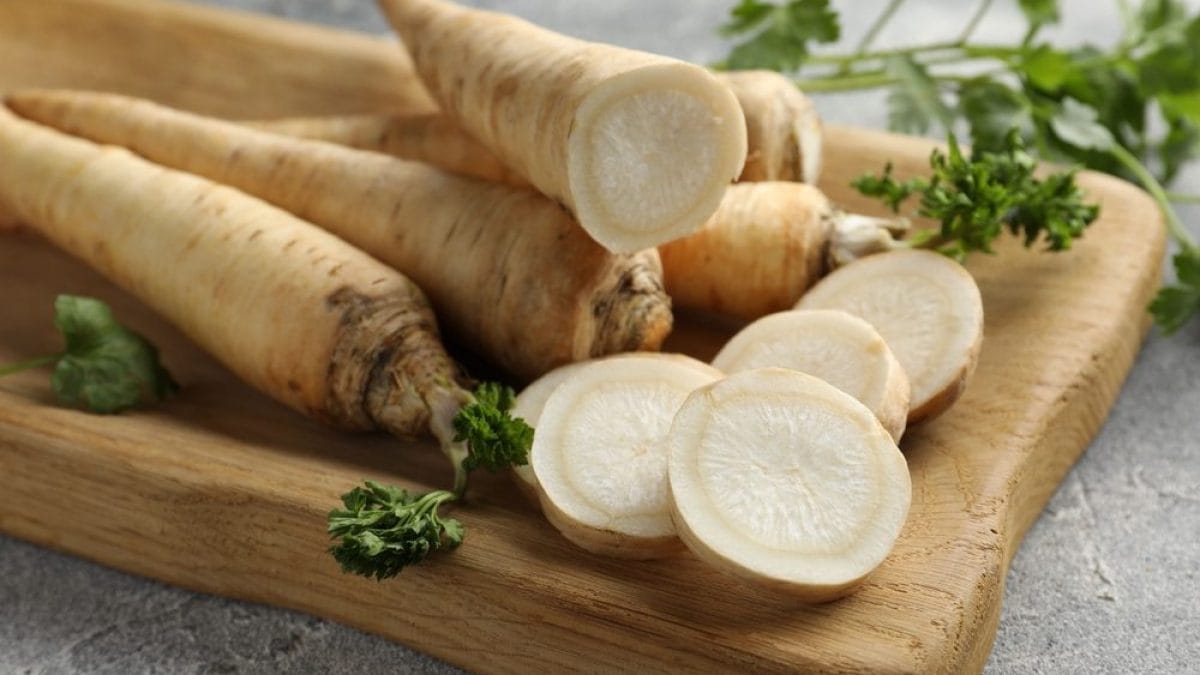
Widespread and used in England and throughout the United Kingdom, but also in the United States and France: once upon a time, this vegetable was consumed as widely as potatoes. We are talking about parsnip, a root that at first glance looks like a larger, faded carrot, with a color ranging from white to ivory to hazelnut. We can say that carrots and parsnips are a sort of "cousin," but parsnips are a vegetable in their own right, with very specific characteristics, benefits, and uses. Legend has it that it was none other than Emperor Tiberius who brought parsnips to Rome from Germany. During the Middle Ages and the Renaissance, they were at their peak, then the potato arrived, and parsnips gradually lost popularity, until they almost disappeared entirely. Today, they are experiencing a revival, so this is the perfect opportunity to learn more about them. Here is a guide to parsnips, their main culinary uses, and their health benefits.
Parsnip's History and Characteristics
Parsnip (Pastinaca sativa L.) is a herbaceous plant belonging to the Umbelliferae family. It has an erect stem that can reach 120 cm in height, fleshy roots and elongated leaves. It loves to grow in full sun but is also cold-resistant. The root is eaten: similar in appearance to a carrot, it is creamy-white in color and has a sweet, slightly acidic flavor.
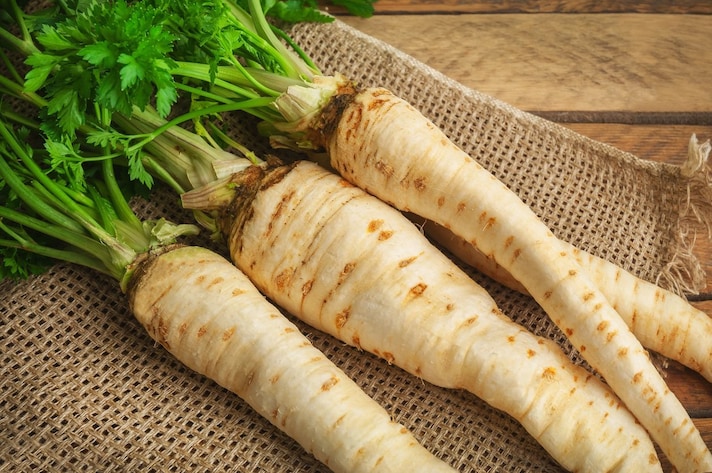
Parsnips have a long history. It is said that Emperor Tiberius brought this product to Rome from Germany. An example of their widespread use in ancient times can be found in De re coquinaria, the most important cookbook of ancient Rome. Here, the author Apicius recommends three preparations using carrots or parsnips: fried and served with a wine sauce; seasoned with salt, oil, and vinegar; or boiled, chopped, and flavored with a cumin and oil sauce. Since ancient Roman times, carrots and parsnips have been treated as a single vegetable, which is probably why, even today, they tend to be considered the same thing.
In the Middle Ages, parsnips reached their peak popularity, and then the potato appeared. It was this new vegetable that caused interest in parsnips to decline, leading to their disappearance from almost all of European tables. Today, efforts are being made to revive their popularity: they are still difficult to find at the produce counter as easily as other vegetables, but they are becoming more readily available (albeit at a rather high price) thanks to the reintroduction of their cultivation.
How to Use Parsnip in Cooking
Parsnips, unlike carrots, are primarily used cooked: when raw, they're a bit tough, but they're still edible once the tough outer skin is removed. To eat them raw, choose younger ones, which are more tender and therefore also good raw. You can grate raw parsnips to add to a mixed salad, cut them into rounds and dress them with a delicious vinaigrette, or cut them into larger strips to enjoy with dips. Both raw and cooked, they pair well with speck, cheeses, roast meats (pork, lamb), and spices like ginger, turmeric, and nutmeg.
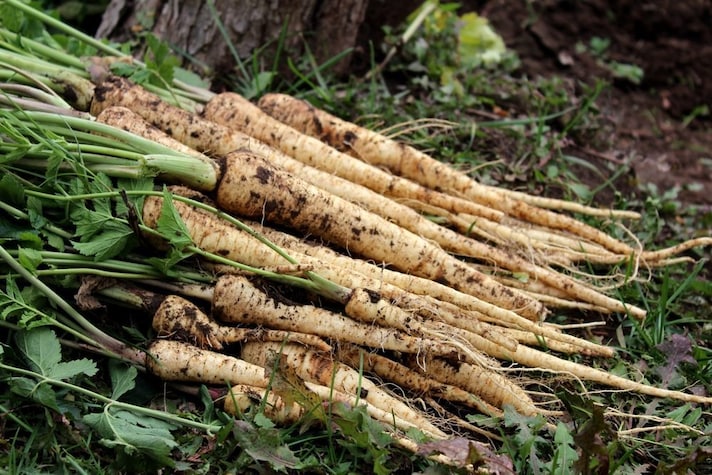
Parsnips, however, are at their best when cooked: even then, peel them, and then opt for slow, prolonged cooking. You can boil them and blend them to make a delicious soup or cream soup, seasoned with extra virgin olive oil and parsley, or transformed into an excellent side dish puree. Or you can bake them like potatoes, diced, sliced, or sliced, and seasoned with oil, rosemary, and salt. You can also roast parsnips in the oven, simply cooking them in oil and salt. Parsnips are also delicious fried, for example, to make chips: slice them with a mandolin, fry them in plenty of hot oil, and serve with a homemade sauce (yogurt-based ones are particularly good).
Parsnip's Benefits and Contraindications
Although parsnips are relatively low in calories (75 kcal per 100 grams), they are rightfully considered one of the most energy-dense vegetables thanks to their very rich nutritional profile. Made up of 80% water, they provide a fair amount of carbohydrates and a moderate amount of protein, while having virtually no fat. They contain folates and are an excellent source of vitamins B, C, E, and K, as well as minerals including potassium, calcium, phosphorus, and magnesium. They are also rich in antioxidants and dietary fiber, both soluble and insoluble. All these nutrients translate into a series of valuable beneficial properties for the body. Regular consumption of this vegetable helps regulate intestinal transit and gastrointestinal functions, stimulates the digestive system, and fights free radical damage thanks to the presence of various antioxidant compounds. These substances also make them useful for improving cardiovascular health and helping regulate cholesterol and blood pressure.

Despite its many benefits, parsnip can carry some risks and contraindications that are worth keeping in mind. It is not recommended for those allergic to Apiaceae (carrots, celery, dill) and should be consumed in moderation, as the high fiber content could cause digestive problems, especially in those already predisposed. If you are undergoing certain medications, consult your doctor before eating parsnip, as some of its compounds can conflict with certain medications, particularly diuretics and anticoagulants. Parsnip root is perfectly safe and edible, but be careful if you come into contact with the plant. The leaves and shoots are not only inedible, but contain a sap that, when in contact with skin exposed to sunlight, can cause a condition known as phytophotodermatitis, with skin irritation that can last for several months.

