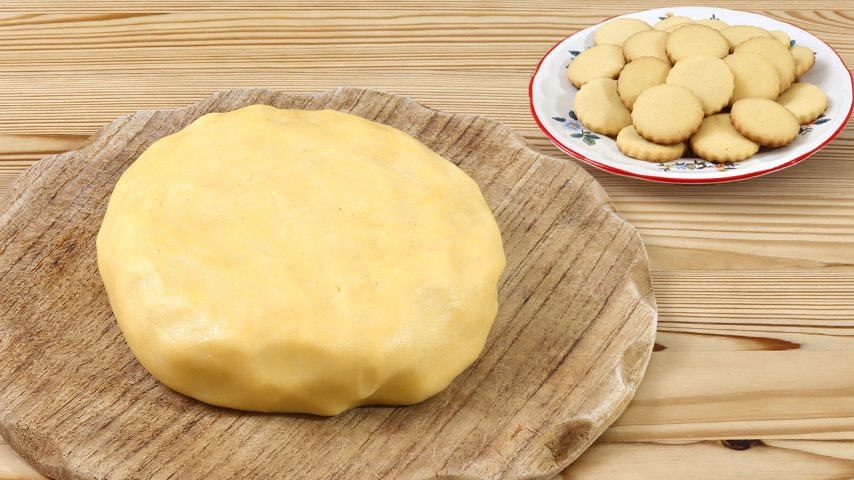
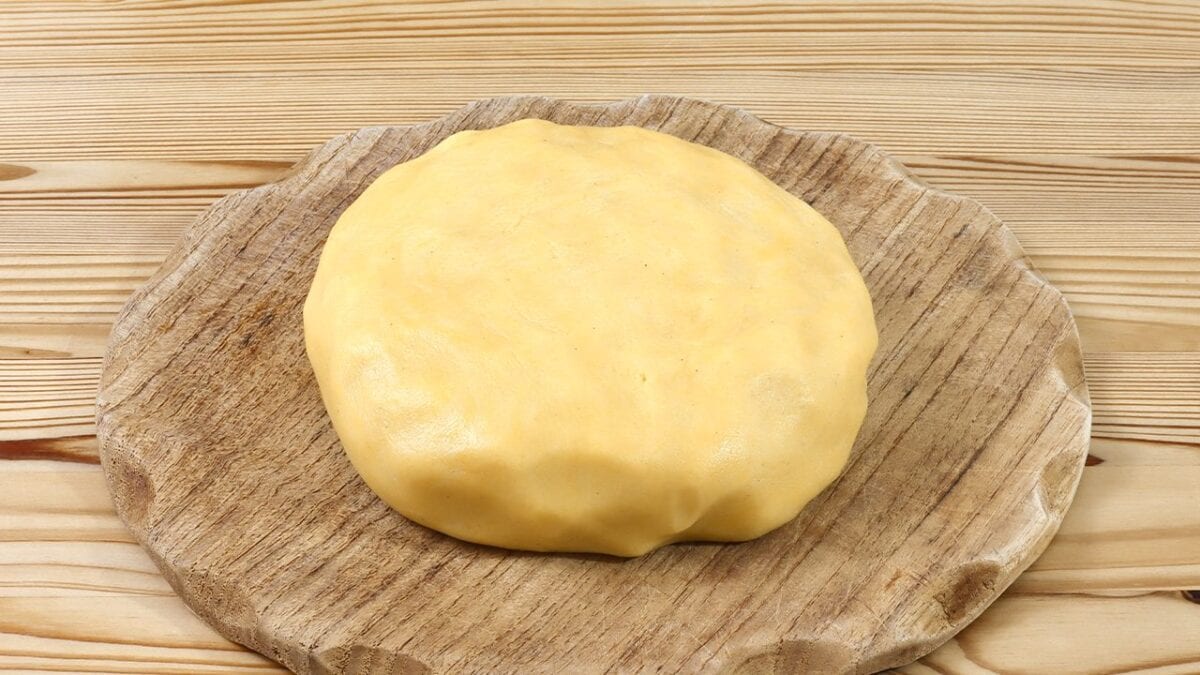
Sablée Pastry is a classic French shortcrust pastry known for its delicate, buttery, and wonderfully crumbly texture. Made with flour, powdered sugar, butter, egg yolks, vanilla, and a pinch of salt, it is an excellent base for elegant homemade cookies as well as sweet tart shells.
The dough is rich but simple. Once chilled, it rolls out easily and can be cut into all kinds of shapes before being baked until lightly golden. Whether you want classic tea cookies, holiday biscuits, or a refined pastry base, pâte sablée is one of those foundational recipes worth mastering.
Why Everyone Will Love This Recipe
Sablée pastry stands out because of its texture. Unlike a chewy cookie dough, it bakes into delicate biscuits that are crisp at the edges and pleasantly crumbly when bitten.
Powdered sugar helps create a finer consistency than granulated sugar, while the egg yolks add richness and help bind the dough without making it tough. It is also extremely versatile. Once you know how to prepare the basic pastry, you can flavor it with citrus zest, cocoa, spices, nuts, or other extracts and use different cookie cutters for any occasion.
What Is Sablée Pastry?
Sablée pastry, or pâte sablée, is a classic French sweet pastry dough characterized by its buttery, crumbly texture. The French word sablé means “sandy,” a reference to the fine, crumbly consistency produced when fat is worked into flour before the dough is fully bound together. This technique limits gluten development and helps create the tender texture associated with the pastry.
Pâte sablée belongs to the family of French shortcrust doughs used for cookies, tartlets, and pastry shells. Compared with more neutral shortcrust preparations, it is generally richer and sweeter, making it particularly well suited to desserts. Its simplicity is also part of its appeal: with only a handful of ingredients, careful handling and proper chilling are what transform the dough into crisp, refined cookies.
Cooking Tips
- Use cold or cool butter rather than melted butter because maintaining some structure in the fat helps produce the characteristic crumbly texture of sablée pastry.
- Work the butter into the flour and powdered sugar until the mixture resembles fine crumbs before adding the egg yolks, as this “sanding” technique helps limit gluten development.
- Avoid kneading the dough for too long because excessive working can make the pastry elastic and tough instead of delicate and crumbly.
- Shape the dough into a flat disk rather than a thick ball before chilling because a flatter shape cools more evenly and is easier to roll afterward.
- Chill the dough for the full hour because resting firms the butter, relaxes the dough, and helps the cookies maintain sharper edges during baking.
- Dust the work surface with only a small amount of flour because too much additional flour can alter the texture and make the baked cookies dry.
- Roll the pastry to an even thickness of about 3 mm so all the cookies bake at approximately the same rate.
- Transfer particularly soft cut cookies to the refrigerator for a few minutes before baking if the dough has warmed while being rolled, as colder dough generally keeps its shape better.
- Watch the cookies closely during the final minutes of baking because thin sablée cookies can move quickly from pale to overly browned.
- Allow the cookies to cool on the baking tray for a few minutes before moving them because freshly baked sablée pastry is delicate and becomes firmer as it cools.
Frequently Asked Questions
What Is the Difference Between Sablée Pastry and Regular Shortcrust Pastry?
Sablée pastry is generally sweeter, richer, and more crumbly than basic shortcrust pastry. The butter is worked into the dry ingredients in a way that creates a sandy consistency, which limits gluten formation and produces its characteristic melt-in-the-mouth texture.
Why Is Powdered Sugar Used Instead of Granulated Sugar?
Powdered sugar dissolves more easily into the dough and helps create a finer, more delicate crumb. Granulated sugar can produce a slightly coarser texture, so powdered sugar is especially useful when you want elegant, tender cookies.
Can I Use Sablée Pastry for Tarts?
Yes. Pâte sablée works beautifully for sweet tart shells and tartlets because it is crisp, buttery, and flavorful enough to complement pastry cream, chocolate fillings, fruit, lemon curd, or other sweet preparations.
Why Is My Sablée Dough Crumbling Too Much?
A little crumbliness is normal, but dough that refuses to come together may need to be pressed and worked very briefly with your hands so the butter and yolks bind the dry ingredients. Avoid adding unnecessary water, as extra liquid can encourage gluten development and change the finished texture.
Can I Flavor the Dough?
Absolutely. Lemon or orange zest, almond extract, cocoa powder, cinnamon, vanilla seeds, or finely ground nuts can all be used to create different versions. When adding dry ingredients such as cocoa or ground nuts, it may be necessary to replace a small portion of the flour rather than simply adding more dry material.
Why Did My Cookies Spread in the Oven?
The dough may have become too warm before baking, especially if the kitchen is hot or the cookies took a long time to cut. Chilling the shaped cookies briefly before they go into the oven helps firm the butter again and encourages cleaner edges.
How to Store
Once baked and completely cooled, store Sablée Pastry cookies in an airtight container at room temperature for up to 5–7 days. Keep them in a cool, dry place and separate delicate decorated cookies with parchment paper if necessary. Unbaked sablée dough can also be refrigerated, tightly wrapped, for up to 2 days before rolling and baking.
How to Freeze
Wrap the unbaked dough tightly in plastic wrap and place it in a freezer-safe bag or container for up to 1 month. Thaw it overnight in the refrigerator before rolling. You can also freeze the already cut, unbaked cookies on a tray until firm, then transfer them to a container. Bake them directly from chilled or partially frozen, allowing a little extra time if necessary.
Ingredients
How to Make Pâte Sablée
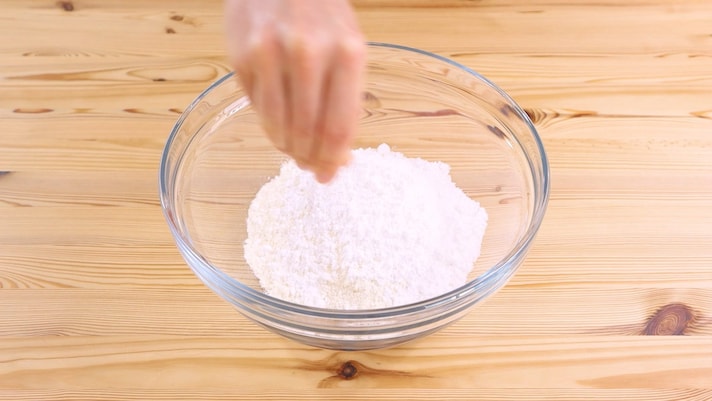
To prepare the sablée pastry, pour the flour, salt and icing sugar into a bowl. Mix with a spoon until the mixture is smooth.
To prepare the sablée pastry, pour the flour, salt and icing sugar into a bowl. Mix with a spoon until the mixture is smooth.
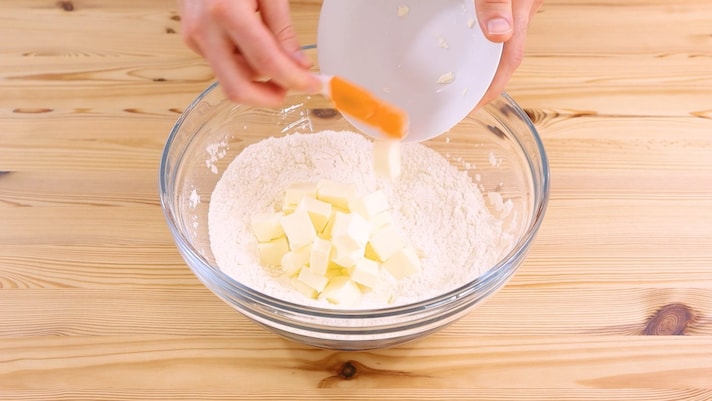
Add the cold butter in cubes and work the ingredients with your fingertips to obtain a sandy mixture.
Add the cold butter in cubes and work the ingredients with your fingertips to obtain a sandy mixture.
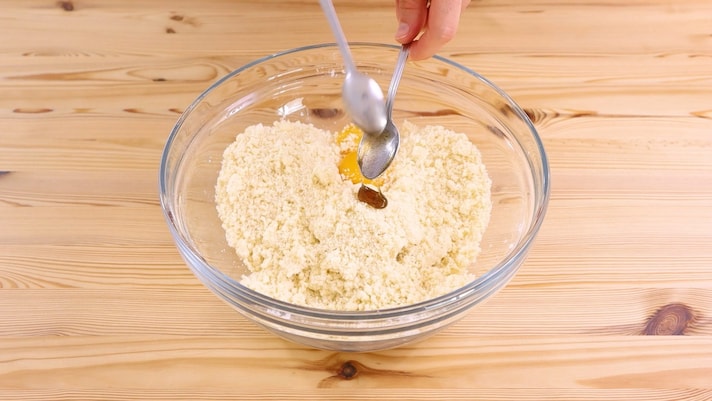
Combine the egg yolks and vanilla extract, then mix until you get a workable dough.
Combine the egg yolks and vanilla extract, then mix until you get a workable dough.
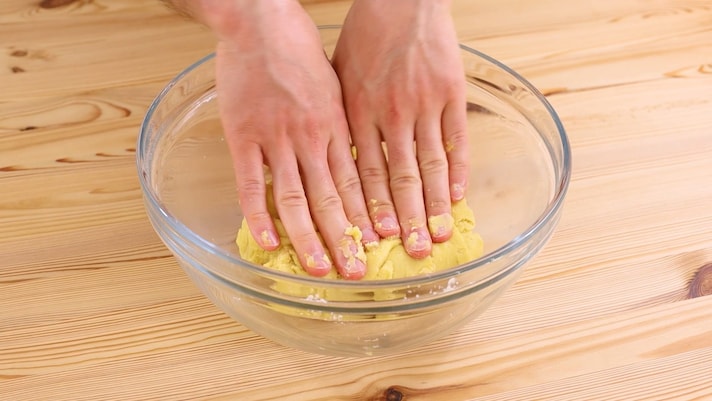
Continue kneading in the bowl, then transfer the mixture onto the work surface.
Continue kneading in the bowl, then transfer the mixture onto the work surface.
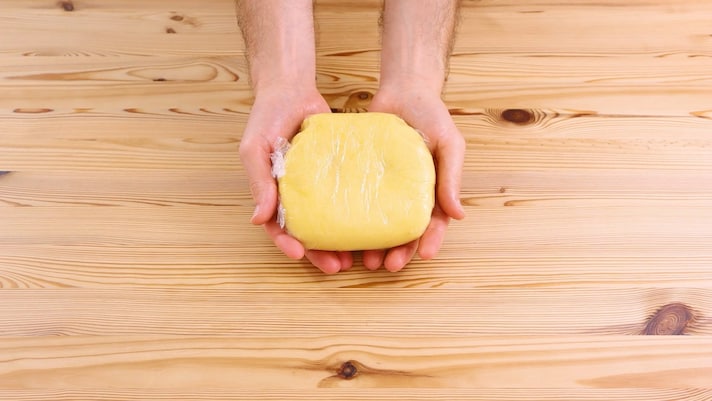
Form a loaf and wrap it in cling film and place it in the refrigerator for about 1 hour.
Form a loaf and wrap it in cling film and place it in the refrigerator for about 1 hour.
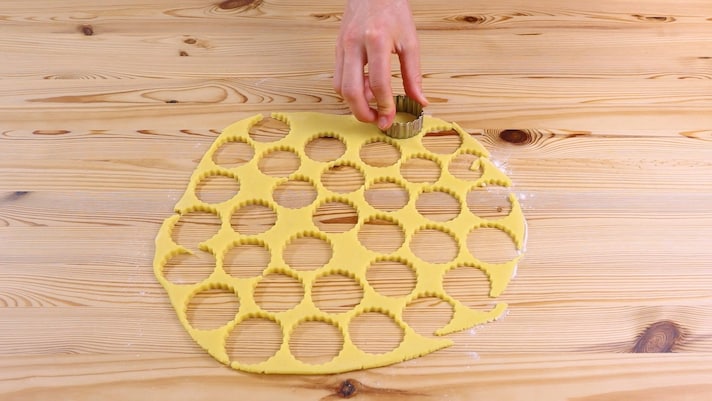
After this time, you can use your shortcrust pastry to make delicious biscuits: roll it out on a floured surface with a rolling pin to a thickness of about 3 mm, then cut out the biscuits with the cutters you have available.
After this time, you can use your shortcrust pastry to make delicious biscuits: roll it out on a floured surface with a rolling pin to a thickness of about 3 mm, then cut out the biscuits with the cutters you have available.
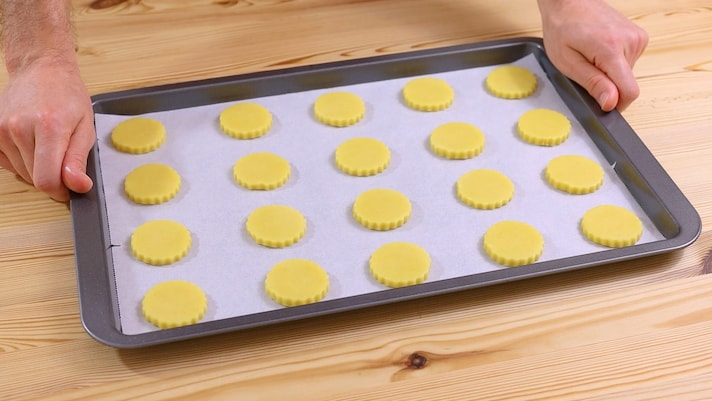
Arrange them on a baking tray lined with baking paper, spacing them apart.
Arrange them on a baking tray lined with baking paper, spacing them apart.
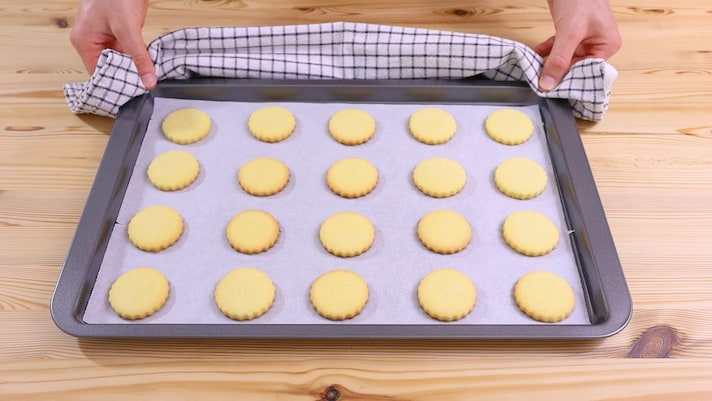
Bake in a preheated oven at 355°F/180°C for about 10 minutes.
Bake in a preheated oven at 355°F/180°C for about 10 minutes.
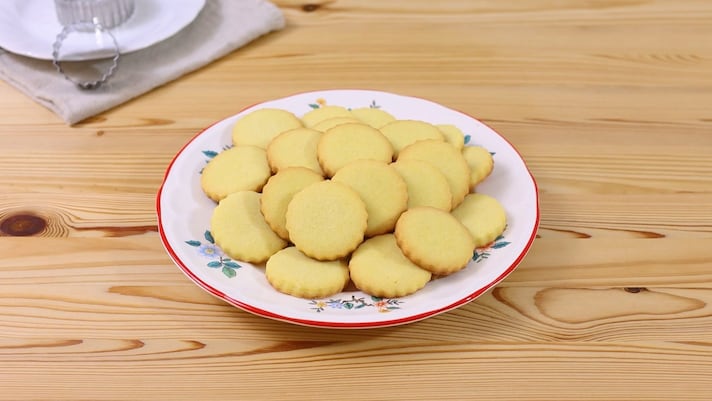
The shortcrust pastry biscuits are ready to be enjoyed!
The shortcrust pastry biscuits are ready to be enjoyed!


