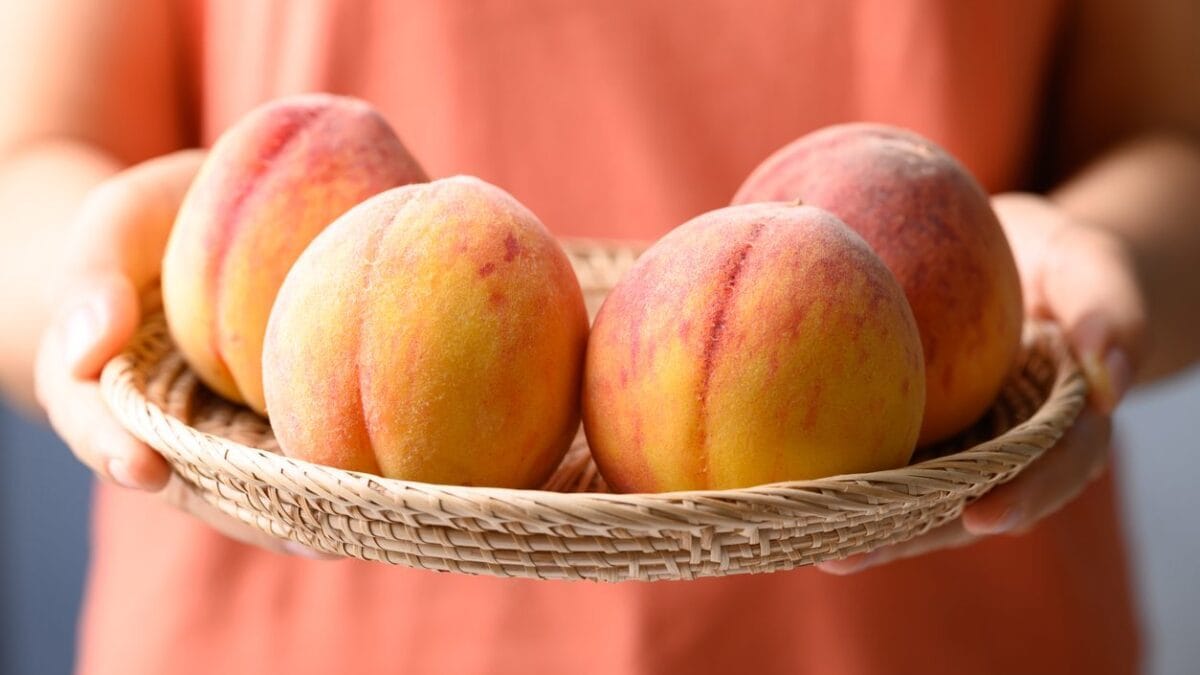
Fruit of the Prunus persica tree, a member of the Rosaceae family, peaches are the undisputed stars of the summer season, a source of flavor and well-being. Naturally sweet, juicy, and fragrant, they come in numerous varieties, each with decidedly unique nuances: from the classic white-fleshed peaches with their melting flesh and heady aroma, to the more refined regional varieties, such as the crisp Elberta peach, they should never be missing from our shopping lists and seasonal menus.
Beyond the widespread—and well-founded—appeal for their flavor and freshness, these fruits can be considered "a true precision tool for managing your summer diet, thanks to their very specific biochemical characteristics," explains biologist and nutritionist Simone Gabrielli. Low in calories and composed of approximately 90 percent water, they provide excellent hydration, essential for facing the hottest days. Thanks to their high water content and abundance of soluble fiber, they are satiating and very satisfying.
A concentrate of vitamins, particularly A (in the form of beta-carotene) and C, antioxidants, and essential minerals, especially potassium, they boast a low glycemic index and can be consumed by anyone with complete peace of mind. What are the nutritional values and health benefits of this fruit and vegetable? How many peaches can you consume per day if you're following a weight-loss diet? Let's look at everything in detail with the help of our trusted expert.

Peaches' Nutritional Values
Thanks to a light yet micronutrient-dense nutrient profile, peaches are a perfect addition to your summer diet, proving to be a valuable ally in supporting the body against heat and fatigue. Whether it's the classic velvety variety, the smooth-skinned nectarine (nectarine), or the characteristically flattened snuffbox, the macronutrient intake remains virtually identical and strongly oriented towards hydration.
Low in calories, about 40 per 100 grams of edible pulp, these fruits are 89 percent water; the amount of simple sugars (mainly fructose) is about 9 grams, while that of soluble fiber is about 1.5 grams. Among the micronutrients, potassium stands out, essential, among other things, for electrolyte balance, nerve impulses and muscle contraction; beta-carotene, an antioxidant pigment and precursor of vitamin A; and vitamin C, essential for maintaining an efficient immune system.
Peaches' Benefits
The synergistic combination of water, fiber, minerals, and vitamins translates into a series of extraordinary benefits for the body's long-term well-being. The richness of beta-carotene and vitamin C guarantees a profound antioxidant effect, useful for counteracting oxidative stress caused by free radicals and sunlight, typical of the season in which the fruit ripens.
Here are the main benefits associated with the consumption of this fruit:
- High satiety index: the interaction between the high water volume and soluble fibers (such as pectin) promotes gastric distension. This mechanism generates a feeling of early satiety despite a negligible caloric load;
- an ally of the intestine and the figure: low in calories and rich in water and fiber, peaches can be an excellent snack for those following a weight-loss diet – as they are very satisfying – and contribute to intestinal regularity;
- draining effect and blood pressure regulation: the high potassium/sodium ratio stimulates diuresis, facilitating the elimination of excess fluids and counteracting water retention linked to high temperatures;
- protection from oxidative stress: the synergy between vitamin C, carotenoids and polyphenols counteracts the action of free radicals;
- well-being of the skin barrier and mucous membranes: beta-carotene is converted by the body into vitamin A, a micronutrient essential for healthy eyes and skin.

How Many Peaches Can You Eat Per Day?
Thanks to their low calorie content, small quantity of simple sugars and exceptional amount of water, peaches represent an excellent option to include in dietary programs aimed at weight control or weight loss.
How much fruit can you eat? "In accordance with healthy eating guidelines, the standard serving is 150 grams, or a medium-sized fruit," Gabrielli specifies. Eating one or two peaches a day allows you to fully benefit from their valuable micronutrients, although the general advice remains to vary the type—and color—of fruit as much as possible.
Peaches' Possible Contraindications
Although it is a virtuous and safe food for most people, the consumption of peaches requires some precautions in specific clinical contexts:
- Irritable bowel syndrome (IBS): Peaches contain sorbitol, an organic compound belonging to the polyol family, naturally present in many fruits; it is part of the so-called FODMAPs, short-chain carbohydrates that the intestine has difficulty digesting, and in sensitive and predisposed individuals, the fermentation of this sugar can cause bloating, abdominal distension and intestinal discomfort;
- Oral allergy syndrome: The peel, especially that of velvety varieties, is rich in thermolabile allergenic proteins (such as LTPs). Those who suffer from cross-reactivity to Rosaceae pollen may experience itching or swelling of the tongue and palate; the problem is drastically reduced by peeling the fruit or eating it cooked.
How to Consume Peaches
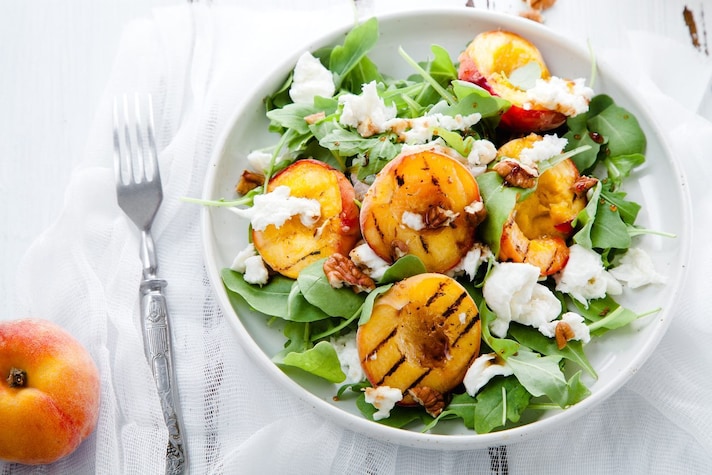
The versatility, irresistible flavor, and exceptional nutritional profile of peaches allow us to include them in a wide variety of occasions and preparations: excellent plain, cut into segments, alone or combined with other fruits, they prove to be a light, hydrating, and beneficial hunger-busting snack. They can be used to make homemade smoothies or shakes with no added sugar, or grilled on a hot griddle and garnished with plain Greek yogurt, toasted almonds, and a drizzle of honey for a little post-dinner sweet treat.
To make the most of its biochemical properties and modulate the glycemic response, here are some strategic combinations to try at different times of the day:
- For breakfast: ideally, pair them with plain Greek yogurt with no added sugar, and a portion of dried fruit (such as almonds, hazelnuts, walnuts, etc.), nut spread, dark chocolate, or flaked dried coconut. The protein in the yogurt and the unsaturated fats in the dried fruit—or an alternative rich in healthy fats—slow the rate of gastric emptying, prolonging the feeling of satiety and preventing hunger from returning shortly afterward. To make the meal complete and balanced, we recommend adding a small amount of complex carbohydrates, such as plain oat flakes, a slice of whole-wheat or spelt bread, or homemade granola with no added sugar.
- As a snack: they're an excellent mid-morning or mid-afternoon snack, especially the nectarine variety, which is easy to eat on the go (just be careful not to overdo it). To make the snack even more filling, you can add a small source of fat or protein (such as a handful of dried fruit or a natural yogurt).
- Postprandial consumption: The idea that fruit after a meal causes digestive problems or weight gain is unfounded in healthy people. On the contrary, the vitamin C in peaches improves the bioavailability of non-heme iron contained in vegetables or grains from the previous meal.
- Use in savory dishes: an excellent use includes adding the fruit to salads with arugula and fresh, tart cheeses (such as feta or cottage cheese), where the savory contrast enhances the aromatic profile of the peach. It is also delicious when paired with cured meats, such as prosciutto, and with raw fish tartare and carpaccio.
;Resize,width=767;)
